

Knee Pain Treatment in NYC
That Helps Stop Small Problems Becoming Bigger Ones
From runner's knee and meniscus tears to chronic arthritis and ACL injuries, our board-certified knee pain doctors in New York see you the same week and build a treatment plan that makes sense for your life.
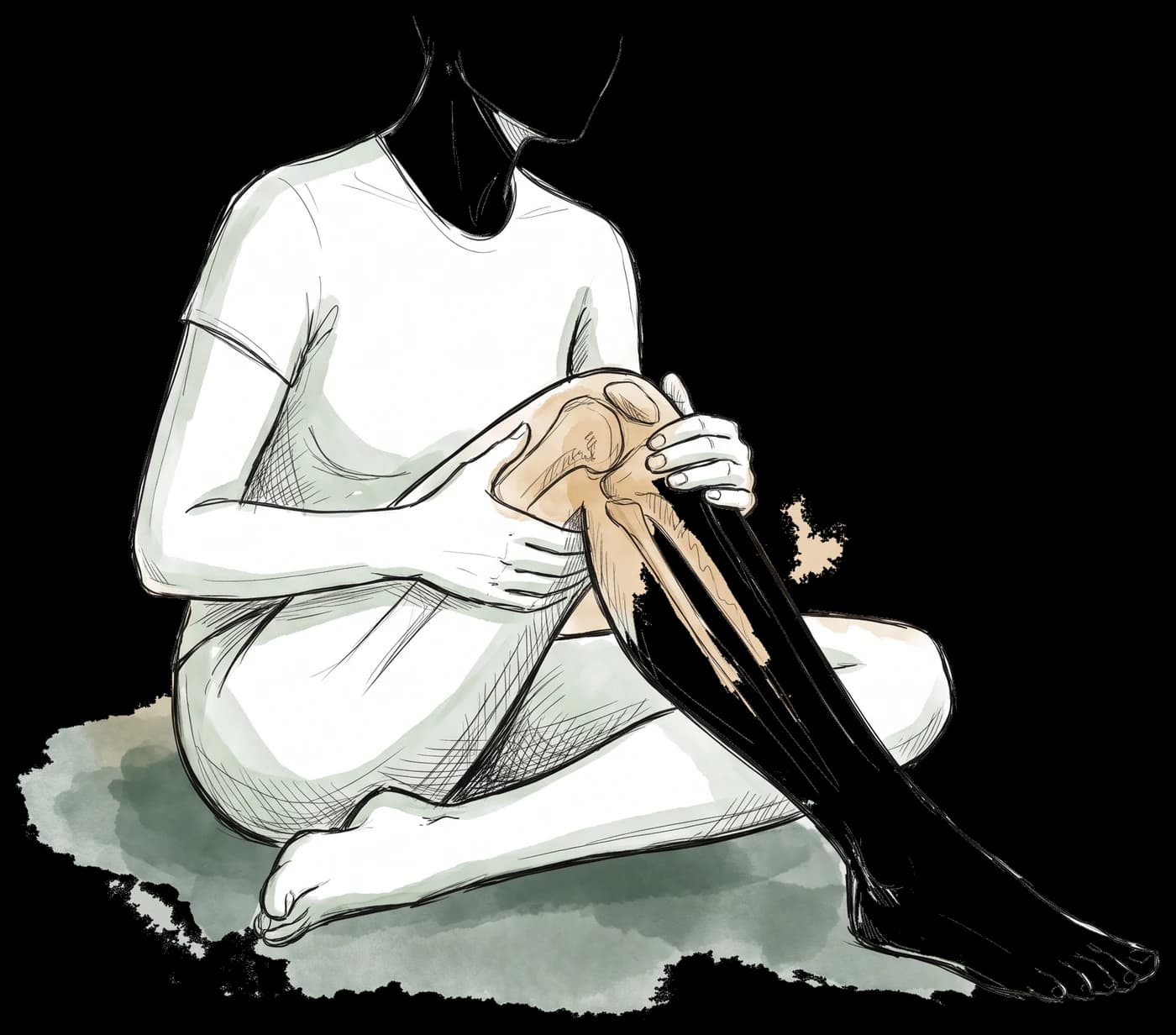
Identify Your Pain
What Does Your Knee Pain Feel Like?
"My knee hurts when I climb stairs, squat, or sit for long periods."
Understanding Your Knee Pain
The Source of Knee Pain Matters
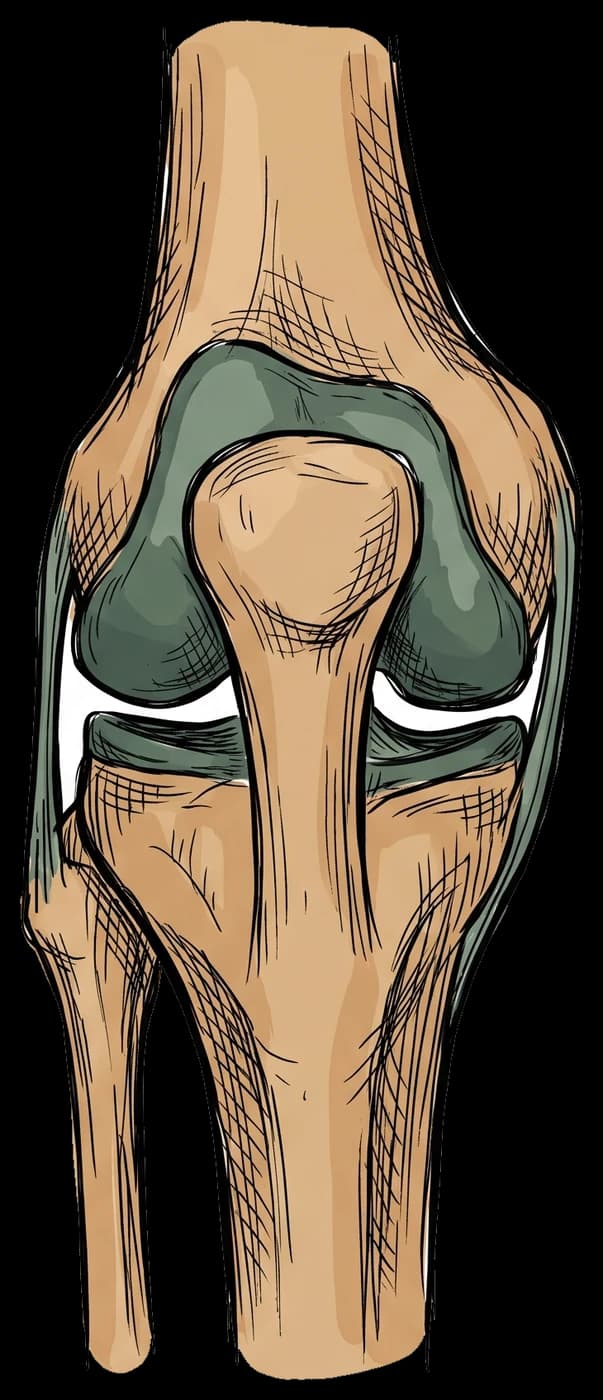
- Patellofemoral joint
- Medial compartment
- Lateral compartment
- Tibiofemoral joint
Joints
Patellofemoral joint (kneecap-thigh bone interface) · Medial compartment (inner joint space) · Lateral compartment (outer joint space) · Tibiofemoral joint.
Conditions treated: osteoarthritis, ACL/meniscus tears, chondromalacia.
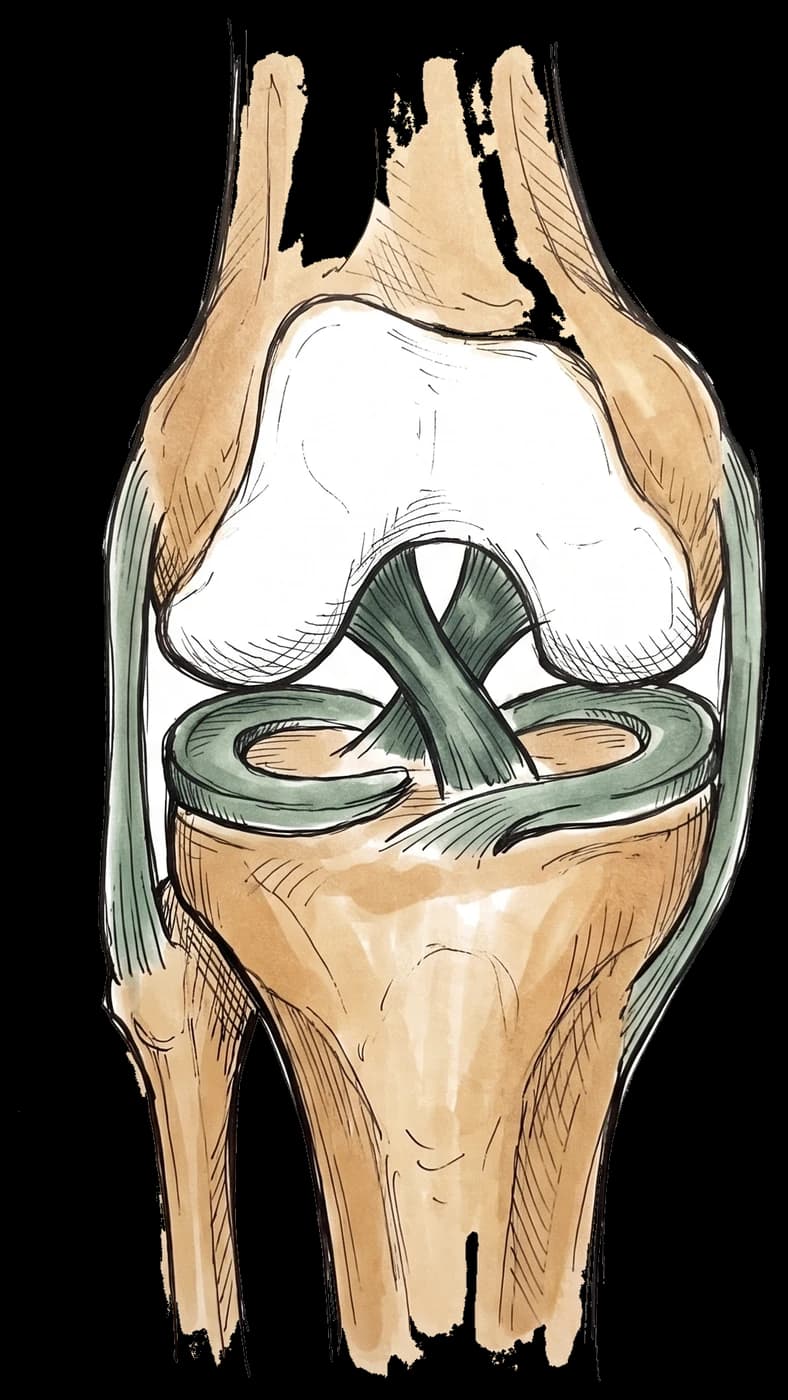
- ACL (anterior cruciate ligament)
- PCL (posterior cruciate ligament)
- MCL (medial collateral ligament)
- LCL (lateral collateral ligament)
- Meniscus (medial and lateral)
Soft Tissue
ACL (anterior cruciate ligament) · PCL (posterior cruciate ligament) · MCL (medial collateral ligament) · LCL (lateral collateral ligament) · Meniscus (medial and lateral).
Conditions treated: sprains, partial and complete tears.
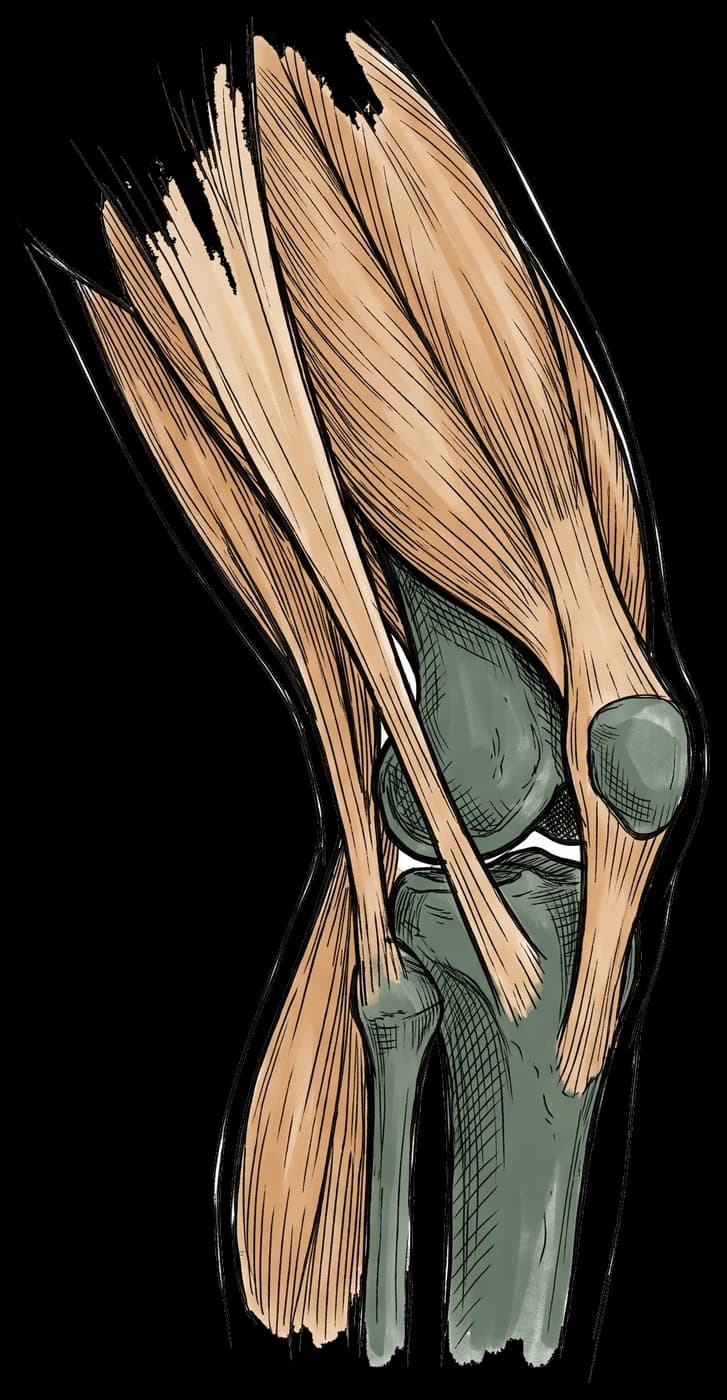
- Quadriceps muscle + patellar tendon
- Hamstrings
- IT band (iliotibial band)
Muscles & Tendons
Quadriceps muscle + patellar tendon · Hamstrings · IT band (iliotibial band) · Popliteus · Pes anserine tendons.
Conditions treated: patellar tendinitis, bursitis, IT band syndrome, muscle strains.
Common Causes of Knee Pain Our NYC Doctors Treat
Our knee pain doctors in NYC provide accurate diagnosis before treatment: the right treatment depends entirely on the cause.

ACL & Ligament Injuries
Tears or sprains to the ACL, PCL, MCL, or LCL from sports trauma, awkward landings, or direct impact. Causes instability, swelling, and pain. Most partial tears respond to non-surgical rehabilitation.

Meniscus Tears
C-shaped cartilage pads torn by twisting, deep squatting, or age-related degeneration. Causes clicking, locking, and pain along the inner or outer knee line.

Knee Osteoarthritis
Cartilage breakdown in the knee joint causing chronic aching, morning stiffness, and progressive joint narrowing. The most common cause of knee pain in adults over 50.

Patellar Tendinitis (Jumper's Knee)
Inflammation or micro-tearing of the patellar tendon below the kneecap. Most common in athletes who jump, sprint, or play repetitive sports.

Runner's Knee (Patellofemoral Pain Syndrome)
Irritation of the cartilage behind the kneecap from malalignment or overuse. Causes aching pain during stairs, squats, and prolonged sitting.

Bursitis & IT Band Syndrome
Bursa sac inflammation (commonly prepatellar) or IT band friction on the lateral knee. Causes swelling, tenderness, and aching pain on the inner or outer side of the knee.
When to Seek Help
7 Signs You Should See a Knee Pain Specialist
Scroll through the signs that mean it is time to see a specialist.
- 01Pain lasting more than two weeks despite rest and over-the-counter medication
- 02Swelling that does not resolve within 24-48 hours
- 03Clicking, popping, locking, or catching sensation in the joint
- 04Knee instability: feeling that the knee may give way
- 05Pain affecting daily activities: stairs, walking, sitting, or rising from a chair
- 06Pain waking you from sleep or preventing normal rest
- 07Any knee injury from sport, trauma, or sudden impact
Emergency Warning Signs (Call 911 / Go to ER):
- Inability to bear any weight on the leg
- Visible deformity or bone displacement
- Severe swelling within minutes of injury
- Loss of circulation or numbness below the knee
How Knee Pain Is Diagnosed

Physical Exam & Patient History
Range of motion testing, patellar tracking, joint-line palpation, ligament stability tests (Lachman, McMurray, valgus/varus stress tests). Detailed history: when pain started, severity, triggers, and aggravating factors.

Imaging: Ultrasound, MRI & X-Ray
In-office diagnostic ultrasound for real-time soft tissue and tendon assessment. MRI for cartilage, ligament, and meniscal detail (gold standard for soft tissue). X-ray for bone alignment, fractures, and joint space assessment.

Diagnostic Injections
Genicular nerve block used as a diagnostic tool to confirm pain source before committing to treatment. Image-guided for precision. Confirms candidacy for radiofrequency ablation (RFA).
How The Process Works
A Clear Step By Step Approach To Knee Pain
Understand Symptoms
We start by listening. A detailed history of when the pain started, what makes it worse, and how it affects daily life gives us the clinical picture before any scan or procedure.
Identify the Source
Physical exam, movement analysis, and targeted imaging pinpoint whether the issue is a joint, soft tissue, tendon, or nerve problem. Diagnosis drives every decision.
Targeted Treatment
We match treatment to the confirmed source. Conservative first, then precision interventions like image-guided injections, nerve blocks, or PRP where appropriate.
Prevent Future Injuries
Every patient leaves with a structured plan: strengthening protocol, return-to-sport guidance, and lifestyle adjustments to reduce reinjury risk.
The SPIN Protocol™
Start Your Recovery →S
Self-Care
Home exercise programs targeting quad and hip strengthening. Mobility and flexibility work for the IT band, hamstrings, and patellar tracking. Rest and load management guidance.
I
Injury Rehabilitation
Structured physical therapy targeting the biomechanical root cause of knee pain. Sport-specific rehabilitation protocols designed for safe return to activity.


The SPIN Protocol™
P
Precision Inflammation Treatment
Image-guided cortisone injections for acute inflammation. Platelet-rich plasma (PRP) for chronic tendon and cartilage issues. Hyaluronic acid gel for osteoarthritis. Genicular nerve block for confirmed nerve-driven pain.
N
Next-Level Prevention
Return-to-sport protocol for athletes. Gait and movement analysis referral. Long-term strengthening plan to protect knee health and prevent recurrence.
Self-Care
Home exercise programs targeting quad and hip strengthening. Mobility and flexibility work for the IT band, hamstrings, and patellar tracking. Rest and load management guidance.
Precision Inflammation Treatment
Image-guided cortisone injections for acute inflammation. Platelet-rich plasma (PRP) for chronic tendon and cartilage issues. Hyaluronic acid gel for osteoarthritis. Genicular nerve block for confirmed nerve-driven pain.
Injury Rehabilitation
Structured physical therapy targeting the biomechanical root cause of knee pain. Sport-specific rehabilitation protocols designed for safe return to activity.
Next-Level Prevention
Return-to-sport protocol for athletes. Gait and movement analysis referral. Long-term strengthening plan to protect knee health and prevent recurrence.
Knee Pain Treatment Options in NYC
Non-Surgical Conservative Treatment
First-line treatment for most acute and chronic knee conditions. A structured PT programme targeting strength, flexibility, and movement mechanics, combined with activity modification and NSAIDs where appropriate.
Cortisone Injections
Ultrasound-guided cortisone injections deliver concentrated anti-inflammatory medication precisely into the knee joint or bursa. Effective for osteoarthritis flares, bursitis, and tendinitis. Most patients feel relief within 48-72 hours.
PRP (Platelet-Rich Plasma)
Concentrated platelets from your own blood injected into the injured area to stimulate tissue repair. Most effective for chronic patellar tendinitis, partial meniscal tears, and early cartilage degeneration.
Hyaluronic Acid (Gel) Injections
Synthetic joint fluid injected into the knee to restore lubrication and cushioning lost to osteoarthritis. Provides pain relief and improved mobility lasting 6-12 months in most patients.
Genicular Nerve Block
Image-guided injection targeting the genicular nerves that transmit knee pain signals. Used both diagnostically and therapeutically. Can provide weeks to months of relief, and confirms candidacy for RFA.
Radiofrequency Ablation (RFA)
For patients who respond well to genicular nerve block, RFA uses heat energy to interrupt nerve pain signals at the source. Most patients experience 6-18 months of significant relief.
When Is Knee Surgery Necessary?
The majority of knee pain conditions (including many partial meniscus tears, early arthritis, and ligament sprains) respond well to conservative and interventional treatment. Surgery is reserved for structural instability or neurological compromise unresponsive to 3-6 months of guided care. When appropriate, Dr. Melepura refers to trusted surgical partners.
Why Patients Choose Our Knee Pain Doctors in NYC

Same-Day Appointments
Most patients seen within 24 hours in our Midtown Manhattan office.

Non-Surgical First
We exhaust every conservative option before any surgical discussion.

Image-Guided Precision
All injections performed under ultrasound or fluoroscopy for exact placement.

Double Board-Certified
Fellowship-trained at NY Presbyterian / Columbia University Medical Center.
Personalized Plans
Every patient gets a treatment plan specific to their diagnosis and lifestyle.

Most Insurance Accepted
We work with major insurance plans. Benefits verified before your first visit.

Dr. Febin Melepura, MD
Knee Pain Doctor & Founder, Sports Pain Institute of New York (SPIN)
Knee Pain Doctor in NYC: Double Board-Certified
Dr. Febin Melepura, MD is a double board-certified pain specialist and founder of SPIN. He completed his residency and fellowship at New York Presbyterian Hospital / Columbia University Medical Center, one of the nation's leading academic medical centers.
He holds dual board certifications from the American Board of Anesthesiology and the American Board of Pain Medicine, and has treated more than 7,500 patients and performed over 5,250 procedures. Named a Top Pain Management Doctor in New York and one of America's Top Doctors™ by Castle Connolly.
- Double board-certified: Pain Management & Anesthesiology
- Fellowship-trained at NY Presbyterian / Columbia University Medical Center
- Castle Connolly & NY Magazine Top Doctor
- 7,500+ patients treated · 5,250+ procedures performed
- Founder, Sports Pain Institute of New York (SPIN)
100+ Real Stories from Our Patients









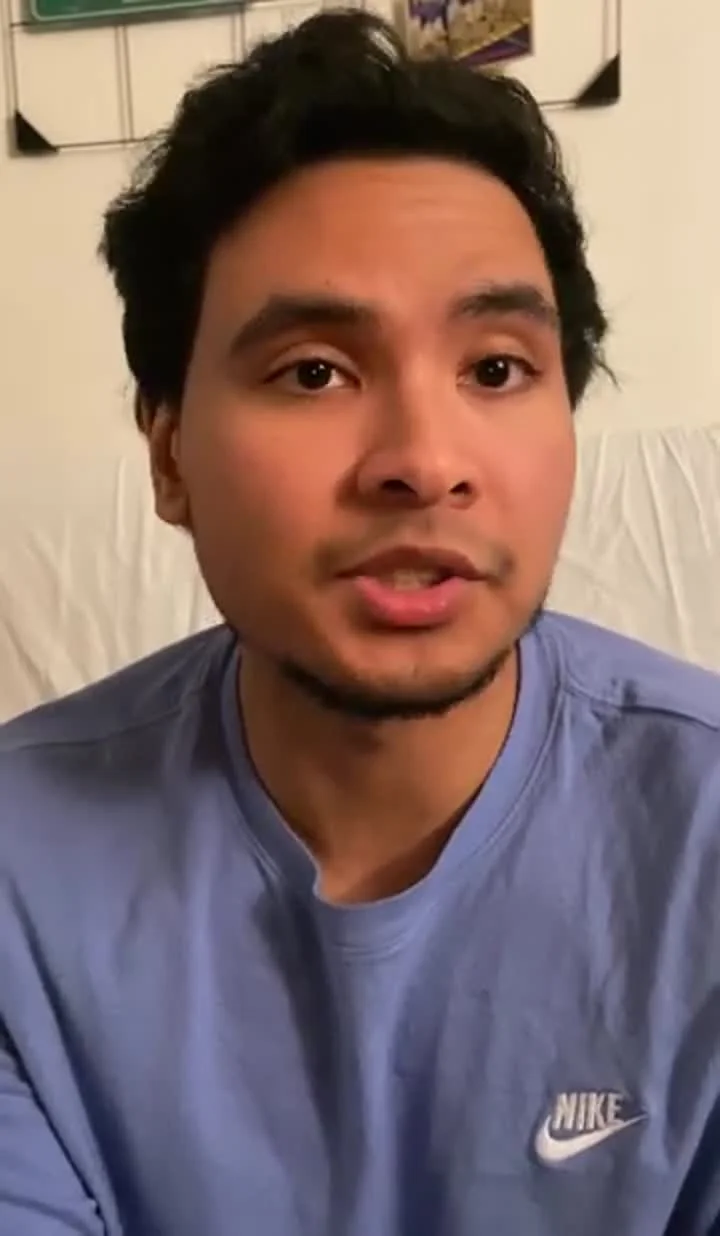

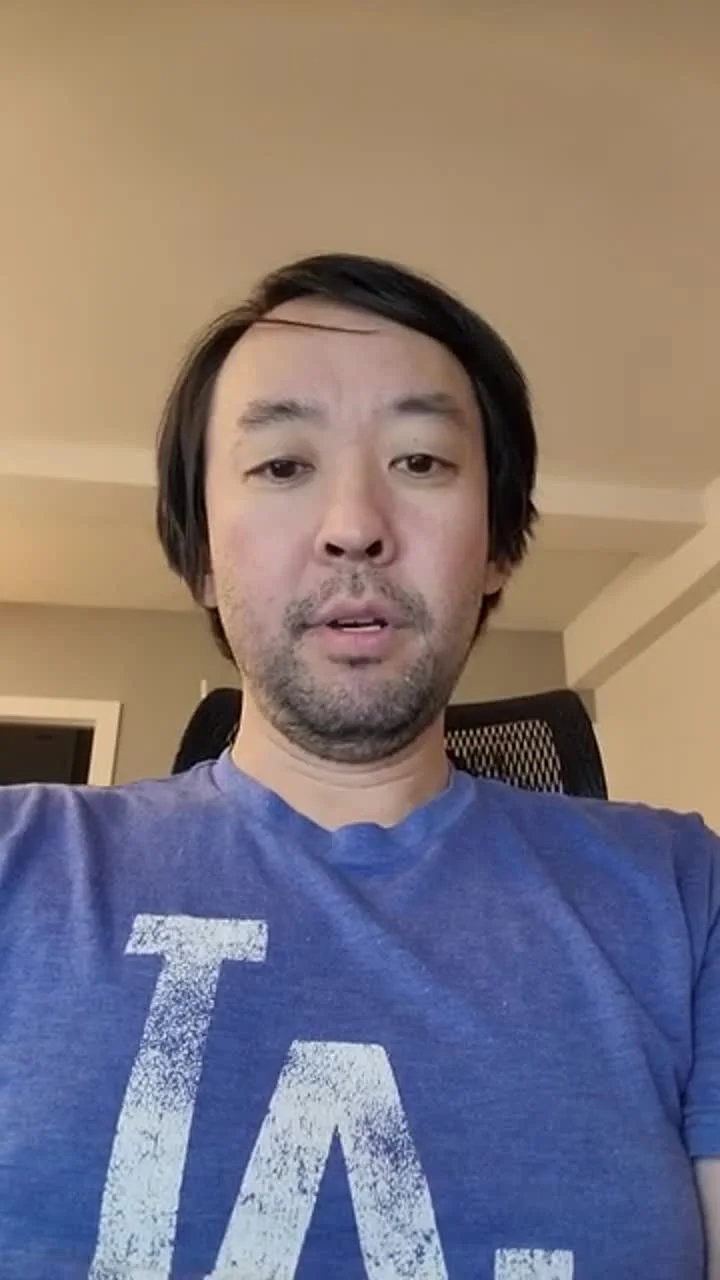


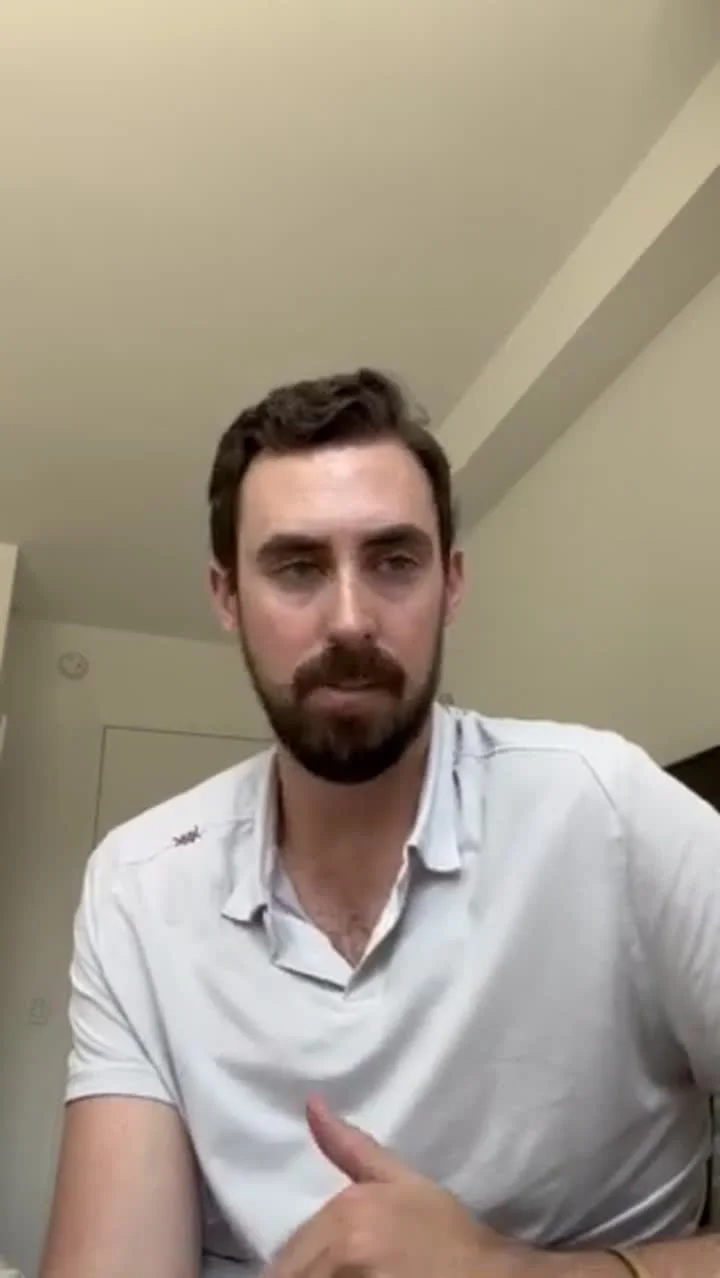



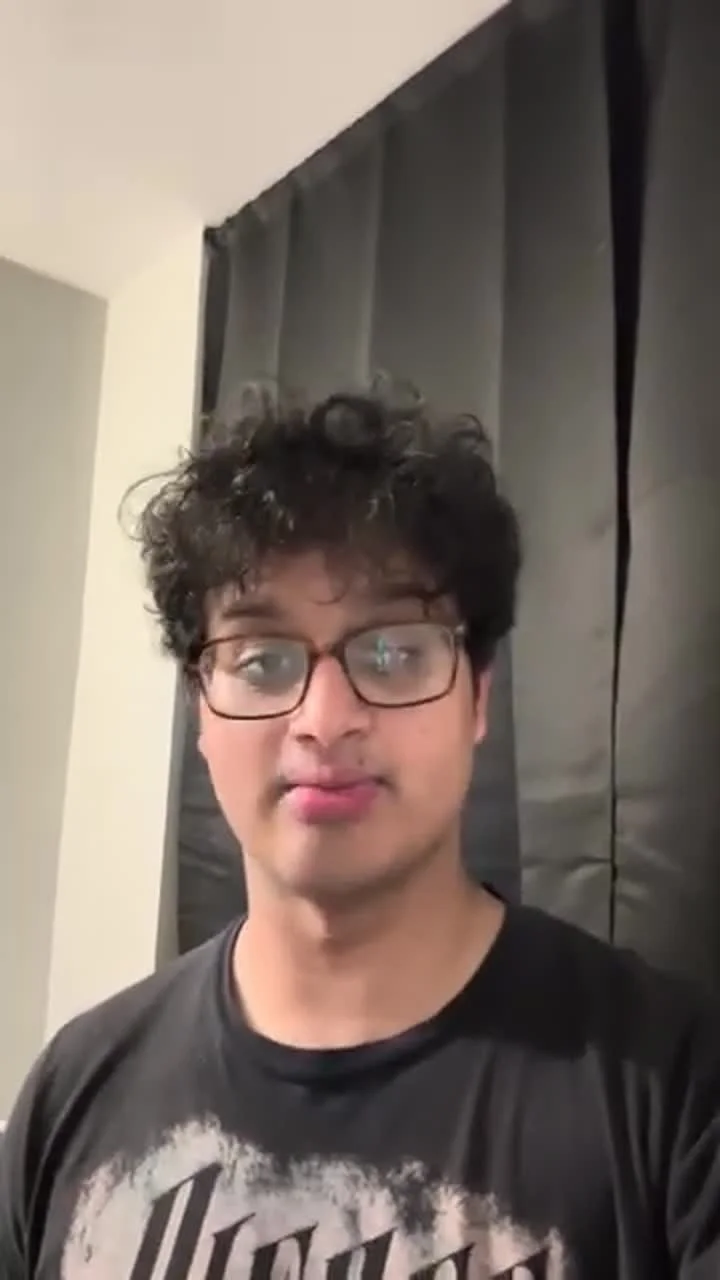





1,700+ Patient Reviews
Read All Reviews
"Great experience at SPIN. The team is very professional, knowledgeable, and attentive. They quickly understood my knee issue and provided clear guidance and effective exercises to recover safely. Highly recommended for runners"
"Dr. Melepura is an excellent physician. He patiently listened as I described the circumstances which led to my knee injury and provided a thorough evaluation and detailed treatment plan. My only regret is not visiting sooner"
"Very attentive during my visit and was quick to help diagnose my knee problem. Extremely responsive with aftercare and was able to easily correspond with the office by text. Would recommend!!"
"Dr. Melepura is an excellent sports injury and pain management doctor. He was able to diagnose and stop the pain in my knee. His office staff is great at communicating and the doctor himself was always available to discuss any concerns or questions that I had. I will return to his office with any future pain management needs I may encounter and recommend him to my family/ friends."
"He is an amazing doctor. Explained everything and wanted to know if I had questions. He gave me a shot in my knee. I could not believe it was over. The young lady at the front desk was so kind and welcoming. I would definitely recommend him. I have other visits scheduled for follow up."
"Dr. Melepura is top notch. He spends time with you, listens and offers different treatments that help. I recently had PRP on my right knee to help with Arthritis and it's been very effective. I also have had cortisone shots to help with my cervical herniated disc and found his methods to be quick and painless. It's rare to find a doctor that will spend time with you."
"Dr Melepura is caring, knowledgeable and does not push anything on you. I have been with him for months now and with his treatment shown great improvement, especially with my knee pain. I have Rheumetoid Arthritis which is particulary tough on alll of my joints. He's been kind and patient with me, which is a rarity these days. The office staff is great too."
"Walked in with knee pain and anxiety; walked out with a plan and hope for a favorable outcome. Dr knows what he’s doing, and if you have knee pain like I do, please check him out. His staff is professional and friendly as well."
Frequently Asked Questions
See a pain management specialist: they diagnose and treat the root cause non-surgically. Dr. Melepura at SPIN NYC specialises in sports-related and chronic knee pain.
Yes. Most conditions (arthritis, tendinitis, bursitis, and meniscus irritation) respond to injections and physical therapy. Surgery is rarely the first option at SPIN.
Acute muscle strains resolve in 2-4 weeks. Chronic or injury-related knee pain typically requires 8-12 weeks of targeted treatment and guided rehabilitation.
At SPIN: physical therapy, cortisone injections, PRP, hyaluronic acid gel injections, genicular nerve block, and radiofrequency ablation, all non-surgical first.
See a specialist if pain persists more than two weeks, you have swelling or instability, movement is limited, or pain follows a sports injury. Early treatment prevents long-term damage.
Yes, ACL sprains, meniscus injuries, runner's knee, IT band syndrome, and patellar tendinitis are all treated at SPIN with non-surgical, image-guided approaches.
We accept most major insurance plans. Our team verifies your benefits before your first visit. Call (212) 621-7746 to confirm.


