

Back Pain Treatment in NYC - Board-Certified Pain Specialist in Manhattan
Back pain is one of the most common reasons people visit a pain specialist, and one of the most undertreated conditions in America. Whether your pain started after a sports injury, developed gradually over years, or appeared suddenly without a clear cause, the right specialist and the right treatment plan can make a measurable difference in your daily life.
At the Sports Pain Institute of New York (SPIN), Dr. Febin Melepura offers comprehensive, non-surgical back pain treatment at his Midtown Manhattan clinic.
Ready to get rid of your back pain?
If you're searching for a back pain doctor in NYC, same-day appointments are available.
What Is Back Pain?
Back pain is pain, stiffness, or discomfort that originates anywhere along the spine, from the base of the skull to the tailbone. It may be localized to one area or radiate into the hips, buttocks, legs, or arms depending on the underlying cause. It affects people of all ages and activity levels, from competitive athletes to desk workers, and can range from a dull, persistent ache to a sharp, disabling pain that limits movement.
Types of Back Pain: Acute, Subacute, and Chronic
Acute Back Pain
Less than 4 weeks
It often follows a specific injury or incident, a fall, a heavy lift, a sudden twist and typically resolves with conservative care.
Subacute Back Pain
4–12 weeks
This is the critical window where untreated pain can transition into a chronic condition. Early specialist evaluation is recommended.
Chronic Back Pain
12+ weeks
often despite initial treatment. It may have an identifiable structural cause (herniated disc, spinal stenosis) or a more complex pain pathway. Interventional pain management is most effective for chronic cases.
If your back pain has lasted more than four weeks, or has returned repeatedly, a specialist evaluation is warranted.
Lower Back Pain vs. Upper Back Pain vs. Middle Back Pain
The location of your back pain provides important diagnostic information. Dr. Melepura evaluates and treats back pain at all spinal levels with a targeted, individualized approach.
Lower Back Pain (Lumbar)
The most common type, affecting the L1–L5 vertebrae. Common causes include herniated discs, muscle strain, sciatica, and degenerative disc disease. Learn more about lower back pain treatment in NYC.
Middle Back Pain (Thoracic)
Affects the T1–T12 vertebrae and is less common. It may indicate muscle overuse, postural problems, or in some cases, referred pain from internal organs, making diagnosis more complex.
Upper Back Pain (Cervical/Upper Thoracic)
often involves the neck and upper shoulder region. It is commonly related to posture, disc issues, or cervical radiculopathy (pinched nerve in the neck).
Common Causes of Back Pain

Muscle Strains and Sprains
Muscle strains (overstretched or torn muscle fibers) and ligament sprains are the most frequent cause of acute back pain. They occur during sports, heavy lifting, sudden movements, or after prolonged periods in awkward positions. While most strains resolve in a few weeks, repeated strains can indicate an underlying structural issue that warrants evaluation.

Herniated or Bulging Discs
The discs between your vertebrae act as shock absorbers. When the outer layer of a disc tears or weakens, the inner material can bulge or herniate, pressing on nearby nerves. A herniated disc in the lumbar spine is a leading cause of sciatica, radiating pain that travels from the lower back down the leg. Treatment options range from anti-inflammatory injections to minimally invasive procedures, depending on severity.

Degenerative Disc Disease and Spinal Stenosis
As the spine ages, discs lose hydration and height, and the spaces through which nerves pass can narrow — a condition called spinal stenosis. This can compress nerve roots, causing pain, numbness, or weakness in the back, legs, or arms. Both conditions respond well to interventional treatments including epidural steroid injections and radiofrequency ablation.
Pinched Nerves and Radiculopathy
A pinched nerve (radiculopathy) occurs when a nerve root is compressed by a herniated disc, bone spur, or narrowed spinal canal. [Lumbar radiculopathy](/lumbar-radiculopathy/) causes pain, tingling, or weakness that radiates down the leg; cervical radiculopathy causes similar symptoms in the arm. Nerve block injections and epidural steroid injections are first-line interventional treatments for radiculopathy.

Sports Injuries and Back Pain
Athletes and active adults are at elevated risk for back injuries due to repetitive loading, impact, and rotational stress on the spine. Common sports-related back conditions include stress fractures (spondylolysis), sacroiliac joint dysfunction, and muscle tears. Dr. Melepura specializes in sports-related back pain and understands the need for treatment plans that return patients to activity as quickly as safely possible.
Signs and Symptoms — When to See a Back Pain Doctor
These symptoms suggest an underlying structural cause that conservative care alone is unlikely to resolve. An interventional pain specialist can identify the source and design a targeted treatment plan.
Symptoms That Require Specialist Evaluation
- Back pain that has persisted for more than four weeks without improvement
- Pain that radiates down one or both legs (sciatica)
- Numbness, tingling, or weakness in the legs or feet
- Back pain that worsens at night or does not improve with rest
- Pain following a fall, accident, or sports injury
- Back pain accompanied by muscle spasms that limit your range of motion
- Recurrent back pain that responds temporarily to treatment but keeps returning
Emergency Warning Signs
Seek immediate emergency care if back pain is accompanied by any of the following — these may indicate cauda equina syndrome or spinal cord compression and require immediate evaluation.
- Loss of bladder or bowel control
- Numbness or weakness in both legs simultaneously
- Fever above 101°F with back pain
- Back pain following a high-impact trauma (car accident, fall from height)
- Sudden, severe back pain with no prior history
How Back Pain Is Diagnosed

Physical Examination and Patient History
Dr. Melepura begins every evaluation with a thorough patient history and physical examination. He assesses your range of motion, neurological function, pain patterns, and response to movement. Understanding the onset, location, character, and triggers of your pain is essential to identifying the source and selecting the right diagnostic tools.

Imaging: MRI, CT Scan, and X-Ray
Imaging is ordered when the clinical picture suggests a structural cause:
- MRI is the gold standard for visualizing soft tissue — discs, nerves, and the spinal cord. It is typically ordered for suspected disc herniations, nerve compression, or spinal tumors.
- CT scan provides detailed bone imaging and is used to evaluate fractures, bone spurs, and the bony components of spinal stenosis.
- X-ray is used to assess spinal alignment, detect fractures, and identify degenerative changes in the vertebrae and disc spaces.
Dr. Melepura reviews all imaging personally and explains findings in plain language before discussing treatment options.
Back Pain Treatment Options in NYC
At SPIN, the approach to back pain is non-surgical first. Dr. Melepura explores the full range of conservative and interventional options before any surgical referral is considered — and in most cases, surgery is not necessary.
Non-Surgical Back Pain Treatment
- Physical therapy — targeted strengthening and mobility work to address muscular imbalances and postural contributors to pain
- Anti-inflammatory medications — NSAIDs and short-course oral corticosteroids to manage acute flare-ups
- Activity modification — structured guidance on movement patterns, ergonomics, and return-to-sport protocols
Epidural Steroid Injections
Lumbar epidural steroid injections deliver anti-inflammatory medication directly to the epidural space surrounding the spinal cord and nerve roots. They are highly effective for disc herniations, spinal stenosis, and radiculopathy conditions where nerve inflammation is the primary pain driver. The procedure is performed under fluoroscopic guidance for precision and typically takes 15–20 minutes.
Spinal Facet Injections
The facet joints connect adjacent vertebrae and are a common source of chronic low back pain, particularly in older adults and patients with degenerative disc disease. Spinal facet injections deliver anti-inflammatory medication directly into the joint, reducing pain and improving mobility. They are also used diagnostically, if the injection relieves pain, the facet joint is confirmed as the pain source, which guides further treatment decisions.
Radiofrequency Ablation (RFA)
Radiofrequency ablation uses heat energy delivered via a small needle to interrupt the nerve signals transmitting pain from the facet joints to the brain. RFA is typically recommended after a successful diagnostic nerve block confirms the facet joint as the pain source. Results last 6–18 months on average, longer than most injection therapies, making it one of the most durable non-surgical options for chronic back pain.
Nerve Block Injections
Nerve block injections target specific nerves or nerve clusters to interrupt pain signaling. For back pain, they are used both therapeutically (to provide relief) and diagnostically (to confirm which nerve is involved). Sympathetic nerve blocks are used for complex regional pain syndrome (CRPS) and other conditions involving the sympathetic nervous system.
Spinal Cord Stimulation Therapy
For patients with chronic back pain that has not responded adequately to other treatments, spinal cord stimulation therapy offers an advanced option. A small device is implanted near the spinal cord and delivers low-level electrical impulses that interrupt pain signals before they reach the brain. A trial period allows patients to assess the benefit before permanent implantation.
When Is Back Surgery Necessary?
The majority of back pain patients, including those with disc herniations, spinal stenosis, and radiculopathy, do not require surgery. Surgery is typically reserved for patients with progressive neurological deficits (worsening weakness or loss of function) or structural instability that cannot be managed with interventional care. Dr. Melepura will always provide a clear, honest assessment of whether surgery is indicated and will provide a referral to a trusted spine surgeon if needed.
Ready to find relief?
Dr. Melepura's Midtown Manhattan clinic offers same-day appointments for back pain evaluation and treatment.
Why Patients Choose SPIN for Back Pain Care

Same-day appointments — pain should not wait; neither should your evaluation

Non-surgical first — every non-invasive and minimally invasive option is considered before any surgical discussion

500+ five-star reviews — from patients across New York City and the greater metropolitan area

Ultrasound and fluoroscopy-guided procedures — precision guidance for every injection and procedure

One doctor, not a rotating staff — Dr. Melepura personally evaluates and treats every patient
Visit Our Midtown Manhattan Back Pain Clinic
Same-Day Appointments Available
The Sports Pain Institute of New York is located in the heart of Midtown Manhattan, steps from Grand Central Terminal and Bryant Park, easily accessible from anywhere in New York City, Westchester, Long Island, and New Jersey.
Address
36 West 44th Street, Suite 1416, New York, NY 10036
Phone
(212) 621-7746Hours
Monday–Friday
(with same-day and urgent appointments available)
Whether your back pain is acute or chronic, whether you've tried conservative treatment without success or are seeking a specialist opinion for the first time, Dr. Melepura's team is ready to see you today.
Real Stories from our Patients


Dr. Febin Melepura, MD
Double Board-Certified Pain Specialist
Meet Dr. Febin Melepura — Your Back Pain Specialist in NYC
Dr. Febin Melepura, MD is a double board-certified interventional pain management specialist and the founder of the Sports Pain Institute of New York. He completed his residency and fellowship training at New York Presbyterian Hospital / Columbia University Medical Center, one of the nation's leading academic medical centers, where he specialized in interventional pain management.
He holds dual board certifications from the American Board of Anesthesiology and the American Board of Pain Medicine, and has treated more than 7,500 patients and performed over 5,250 procedures throughout his career. He has been named a Top Pain Management Doctor in New York and one of America's Top Doctors™ by Castle Connolly.
Dr. Melepura's approach to back pain is rooted in a simple principle: find the source, treat it precisely, and return you to the life you want to live, without surgery if at all possible.
What Our Back Pain Patients Say

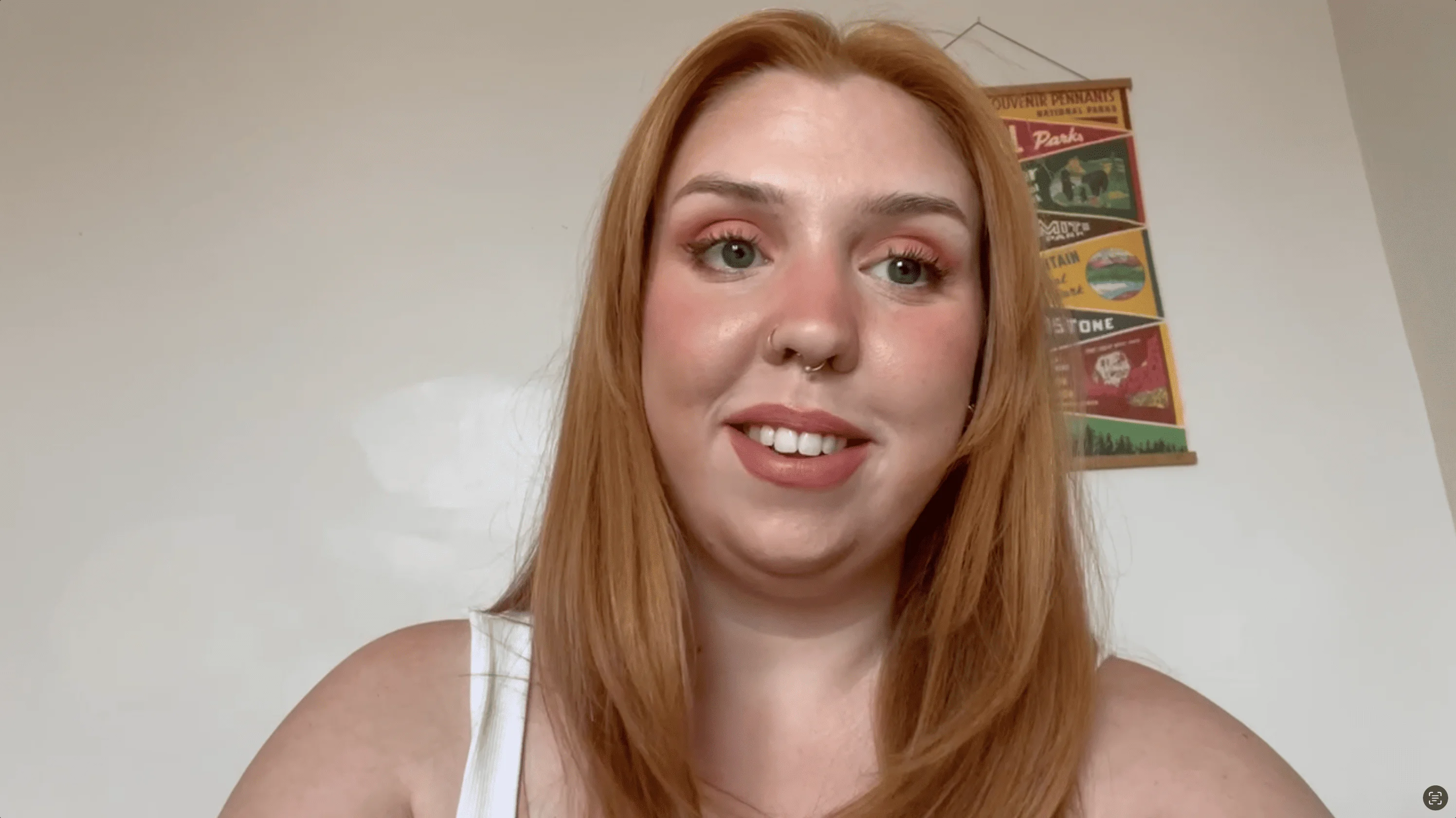
"Able to make an appointment to see Dr. Melepura on short notice… attentive to my concerns… Jazmin was also very kind and helpful."

"Excellent hospitality, listener and explainer… highly recommend the doctor and the place."
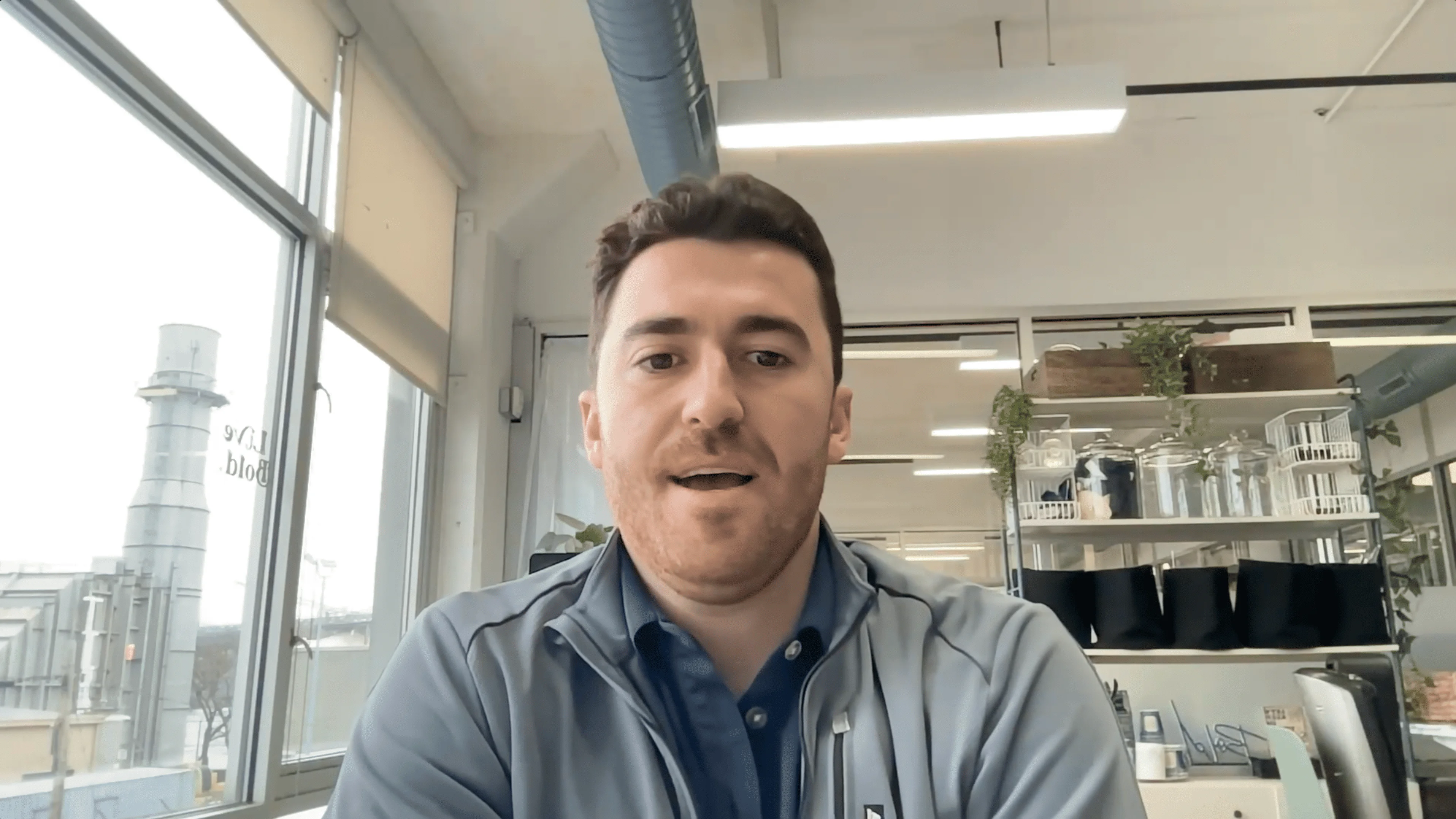
"Dr. Melepura is the best! He worked with me to find the optimal solution to my shoulder pain while I was preparing for a fight!"
"Lovely, bright and modern… doctor and staff were kind… felt my concerns were heard."
"Helpful and friendly staff who gladly follows up with you if and when needed. Dr Melepura was very helpful and professional as well as provided me with excellent information and feedback."
"Dr Febin is fantastic! Highly recommend him and his practice the Spin clinic. The doctor is a good listener, kind, attentive and gave me great advice. "
"Dr.Melepura was very efficient and interpersonal, felt like he was understanding the problems I was having and explained the processes to take to rehabilitate. I would recommend."
"I felt listened to and truly understood by Dr. Melepura. Started PT the very next day. They were very friendly and I didn't feel rushed at all. Already recommended them to my friends who have or continue to play through pain."
Frequently Asked Questions About Back Pain Treatment in NYC
For back pain that has lasted more than four weeks, involves radiating leg or arm pain, or has not responded to rest and conservative care, an interventional pain management specialist is the appropriate specialist. Pain management specialists are trained to diagnose the structural cause of back pain and offer a full range of non-surgical treatments from physical therapy guidance to injection-based procedures before considering surgical referral.