
- (212) 621-7746
- text us
- BOOK ONLINE Same Day Appointments
Lower back pain is one of the third-most common causes of doctor visits, after skin conditions and joint disorders. According to the Mayo Clinic, 80 percent of Americans have or will have either lower left back pain or lower right back pain as an adult. About a quarter of the U.S. population have been to see a doctor for low back pain in the last three months.
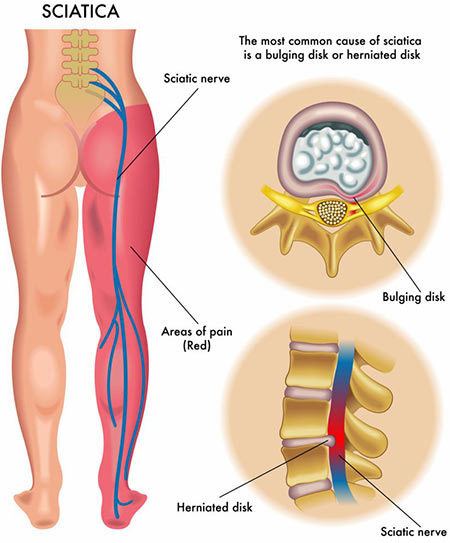
With those kinds of numbers, you’d think that the medical community would discover how to get rid of lower back pain once and for all. But it’s not that easy, as many different factors can contribute to lower left back pain and lower right back pain.
Some of the lower back pain causes include:
Because so many things can cause back pain, you may experience a range of symptoms, some of which aren’t even in your back. The type of pain you feel and the location of the pain can provide clues for our sports medicine team, so describe your symptoms thoroughly when you go in for a visit. Symptoms you may experience include:
When you’re feeling severe lower back pain or prolonged pain anywhere in your body, make an appointment with your doctor in New York City. If your physician can’t diagnose the source of your pain, come to the Sports and Pain Institute of NY. You’ll find experts who not only can accurately diagnose your pain but provide lower back pain relief too.
Low back pain differs from upper back pain and middle back pain more than just its location. Lower back pain shows itself in different ways. To diagnose the source of your pain, your pain specialist may need to run specific, targeted tests, such as:
If your doctor suspects that you have sacroiliitis – sometimes incorrectly called sacroiliitis – an MRI, CT scan or even an x-ray can confirm it. If further testing is required, you New York City doctor may apply pressure to areas between your buttocks and hips to find the source of your pain. As a final test for sacroiliitis, your doctor may administer an anesthetic injection into your sacroiliac joint.
Your sports medicine physician knows how to relieve lower back pain. Your lower back pain treatment may start simply – with rest, over-the-counter medications or physical therapy. You can also try massage or chiropractic treatments. Only if severe lower back pain persists do other treatment options become available, including:
The exact treatment options depend on your particular case. If you’re suffering from sacroiliitis (or sacroilitis), you may need a sacroiliitis treatment like a nerve block injection. If you’re suffering from lower left back pain, you may just need rest. If you have lower right back pain, maybe you have a kidney infection.
While your age, weight, fitness and family history have a bearing on your risk of experiencing severe lower back pain, you can take steps now to reduce that risk. Pay attention to your spine health today, and you’ll never have to seek lower back pain treatment. Follow these guidelines:

Febin Melepura, MD is a top rated, best in class interventional pain management doctor. He is a nationally recognized pain relief specialist and is among the top pain care doctors in New York City and the country. He is an award winning expert and contributor to a prominent media outlets.
Dr. Febin Melepura has been recognized for his thoughtful, thorough, modern approach to treating chronic pain and, among other accolades, has been named a “top pain management doctor in New York”, and one of “America’s Top Doctors™” for an advanced sports injury treatments.

