

Back Sprain
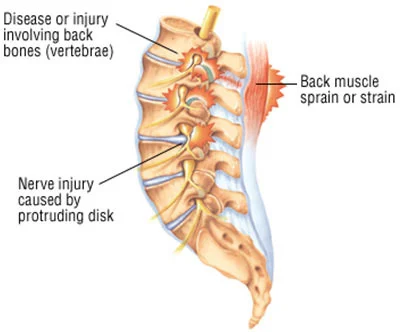
Most people experience back pain at some point during their lives. Your spine is supported by a complex network of ligaments, muscles and bones that work together so your body moves as it's supposed to. When you move a muscle or ligament the wrong way, it can cause pain and stiffness. When a ligament is involved, you have a back sprain.
Back sprains most often occur in your lumbar or lower back region, although you can sprain your middle back, too. The acute pain of an initial back sprain injury usually abates to a less painful but persistent ache that can last for several days or even weeks. The pain from a lower back sprain can interfere with work, sleep and your busy New York City lifestyle.
Back Sprain NYC — SPIN Sports Pain Specialists
Ready to treat your back sprain?
Same-day back sprain appointments available.
Back Sprain Causes
A sudden impact, such as a fall or an automobile accident, can result in a sprained back. People who play high-impact sports are at risk. A hard hit can cause muscles and ligaments to stretch and tear. Heavy lifting — especially when done incorrectly — can sprain your back.
Sometimes, the cause of a sprained back can seem so insignificant that you don't even realize it at the time. You can sprain your back through poor posture and low muscle tone. More often, though, a lower back sprain is caused by repetitive, powerful motions, such as:
- Swinging a golf club or a baseball bat
- Engaging in intense exercise routines
- Not stretching before activities, leading to tight hamstrings
- Being overweight
Back Sprain Diagnosis
When you sprain your back, you feel a sharp, possibly intense surge of pain. Inflammation around the sprain causes your back to feel swollen, warm or tender to the touch. The pain may flare up when you move a certain way, even after it's dulled. There's a difference between a sprain and a strain:
- A strained back is caused by a pulled muscle or stretched tendon. Tendons connect muscles to bones. If you stretch either too far, it begins to tear.
- A sprained back involves a stretched or torn ligament. Ligaments are tough, ropy fibers that connect one bone to another. Ligaments can become damaged when they're stretched too far.
Diagnosing a back sprain is as simple as visiting office of the Sports and Pain Institute of NY. Meet the doctor and get a physical examination.
Imaging tests, such as an x-ray or MRI, help your physician rule out another cause of your pain such as a fracture. But your doctor typically diagnoses a back sprain based on your symptoms and medical history. The tests confirm that there are no underlying risk factors pointing to another diagnosis.
To diagnose back pain Dr. Melepura, leading specialist, provide basic clinical examination including:
- Inspection: general condition, gait, asymmetry (muscle atrophy), deformities, skin changes
- Palpation of the local musculature (tone, tenderness)
- Pain on palpation and percussion of spinal structures, esp. spinous processes (fracture), and kidneys
- Range of motion of the lumbar spine (esp. for follow-up) and hip joints (hip arthritis and other joint diseases as part of the differential diagnosis)
- Nerve-stretching tests and femoral nerve stretch test
- General testing of sensation, motor function, and reflexes (hypesthesia, hyperesthesia, allodynia; strength grading; reflexes)
Because the symptoms of pulled muscles (back strains) and torn or stretched ligaments (back sprains) are virtually identical, both are referred to interchangeably. So, if you hear about a back muscle sprain treatment, it actually refers to treatment for a muscle strain. Whatever you call it, your physician only wants to ease your back sprain and get you back to your active lifestyle.
Ready to find relief from back sprain?
Dr. Melepura's Midtown Manhattan clinic offers same-day appointments for evaluation and treatment.
Back Sprain Treatment in Midtown New York
Treatment for lower back sprains can sometimes be done right at home. In the early stages, use ice packs to reduce swelling and inflammation. After about two days, switch from cold to heat. A heat pack helps relax your strained muscles and soothe your sprained ligaments. Seek medical help if the pain continues after that, both for back sprain treatment and a proper diagnosis.
Over-the-counter pain medication is often sufficient to control the pain of a lower back sprain. NSAIDs — such as aspirin, ibuprofen, or naproxen — can help reduce inflammation, acting as a lower back muscle sprain treatment. Less swelling leads to less pain.
If the pain is severe, your Manhattan back sprain doctor may prescribe a stronger medication. Acetaminophen blocks the pain signals to your brain, and muscle relaxers contribute to effective treatment for lower back sprains as well.
Treatment for low back sprain generally depends on whether the pain is acute or chronic. Dr. Melepura recommend surgery only if there is evidence of worsening nerve damage and when diagnostic tests indicate structural changes.
The goal in the primary treatment of back sprain is symptomatic relief and acute reduction of the pain.
Preventing Back Sprains
Although back pain is a common ailment among adults, you can take steps to reduce your risk:

Warm-up before exercising, especially before starting something new or rigorous.
Wear the appropriate protective gear when engaging in high-impact sports.

Lift heavy objects carefully, holding objects close to your body, bracing your feet shoulder-width apart and asking for help if the item is too heavy.

Keep your muscles and ligaments strong and limber by eating healthy and exercising regularly.

Pay attention to your body's signals. If you start to feel twinges of back pain, take a break.
Real Stories from our Patients

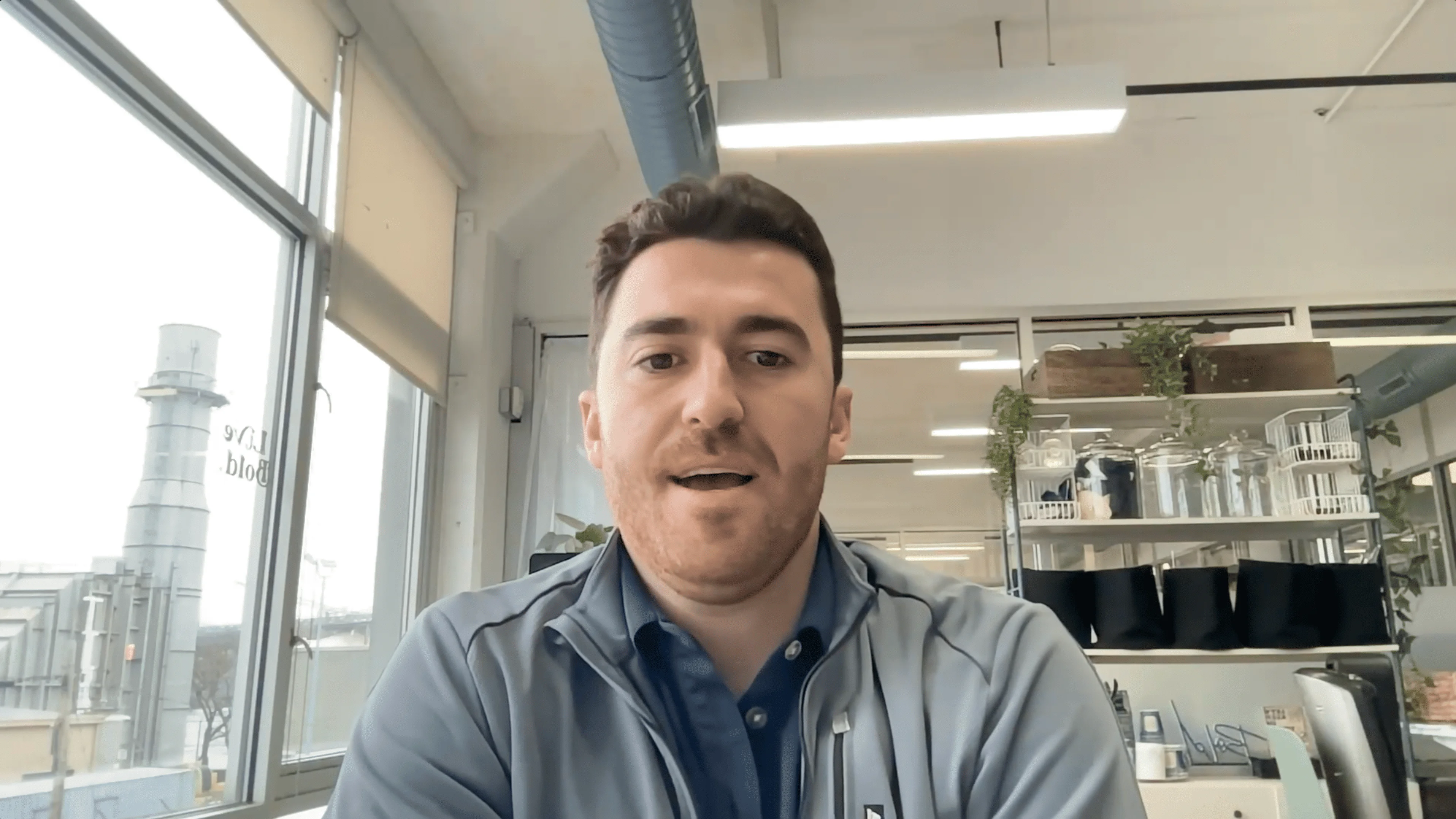


Dr. Febin Melepura, MD
Double Board-Certified Pain Specialist
Meet Dr. Febin Melepura — Your Back Sprain Specialist in NYC
Dr. Febin Melepura, MD is a double board-certified interventional pain management specialist and the founder of the Sports Pain Institute of New York. He completed his residency and fellowship training at New York Presbyterian Hospital / Columbia University Medical Center, one of the nation's leading academic medical centers.
He holds dual board certifications from the American Board of Anesthesiology and the American Board of Pain Medicine, and has treated more than 7,500 patients and performed over 5,250 procedures throughout his career. He has been named a Top Pain Management Doctor in New York and one of America's Top Doctors™ by Castle Connolly.
Dr. Melepura's approach to back sprain is rooted in precision: identify the exact source, treat it with a targeted injection, and get you back to your daily life as quickly as possible.
What Our Back Sprain Patients Say

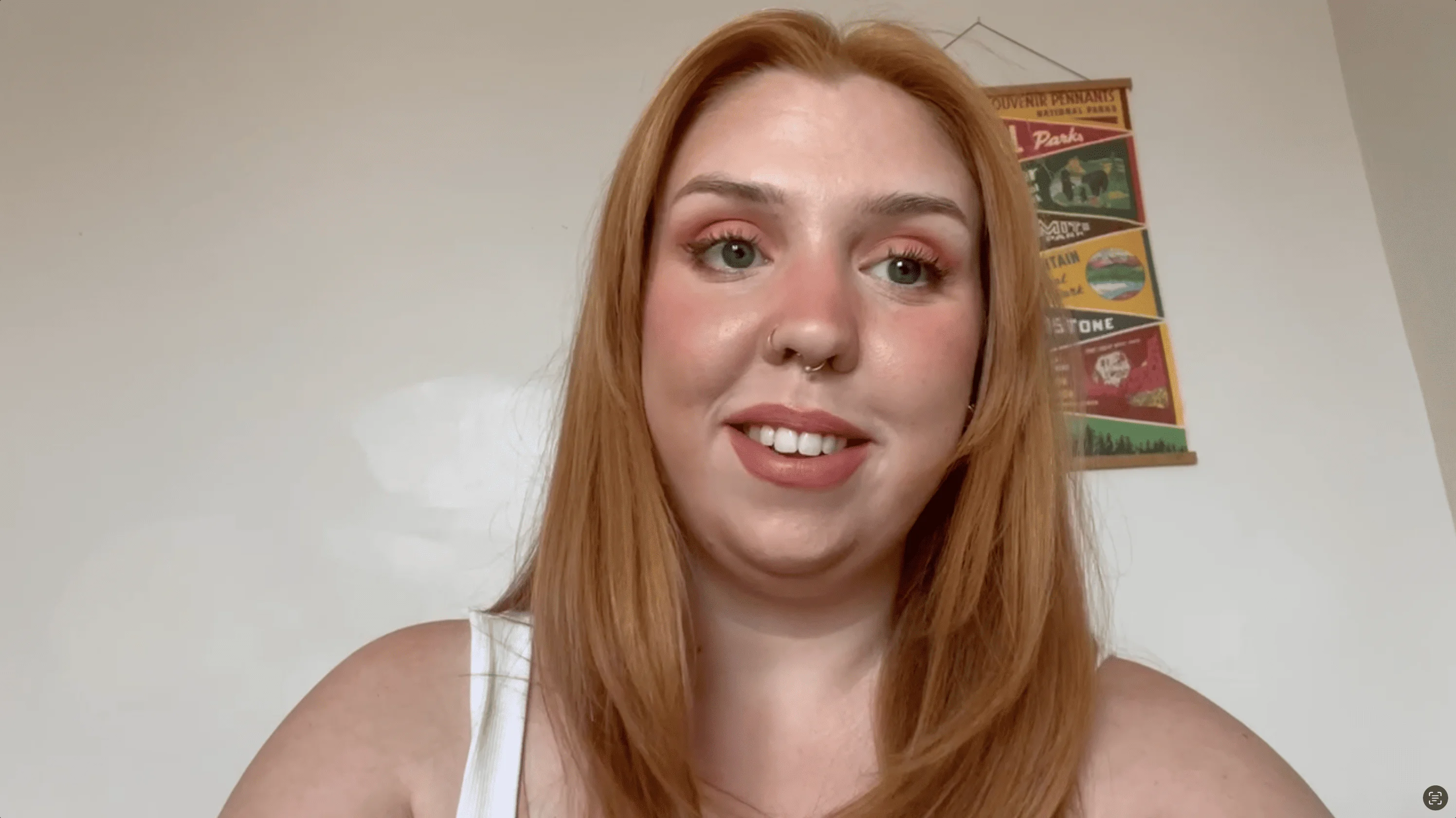
"Able to make an appointment to see Dr. Melepura on short notice… attentive to my concerns… Jazmin was also very kind and helpful."

"Excellent hospitality, listener and explainer… highly recommend the doctor and the place."
"Dr. Melepura is the best! He worked with me to find the optimal solution to my shoulder pain while I was preparing for a fight!"
"Lovely, bright and modern… doctor and staff were kind… felt my concerns were heard."
"Helpful and friendly staff who gladly follows up with you if and when needed. Dr Melepura was very helpful and professional as well as provided me with excellent information and feedback."
"Dr Febin is fantastic! Highly recommend him and his practice the Spin clinic. The doctor is a good listener, kind, attentive and gave me great advice. "
"Dr.Melepura was very efficient and interpersonal, felt like he was understanding the problems I was having and explained the processes to take to rehabilitate. I would recommend."
"I felt listened to and truly understood by Dr. Melepura. Started PT the very next day. They were very friendly and I didn't feel rushed at all. Already recommended them to my friends who have or continue to play through pain."