
- (212) 621-7746
- text us
- BOOK ONLINE Same Day Appointments
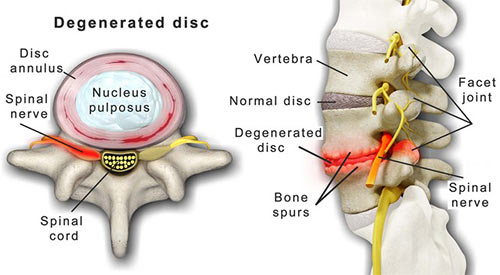 Your spine consists of 33 vertebrae with discs in between each to allow proper cushioning and mobility throughout your back. These discs along with your vertebrae allow your spine to maintain proper posture and carry the weight of your body. Knowing the mechanics of your back and the signs of issues makes early detection and treatment for degenerative disc disease more successful. That’s how an experienced Manhattan team of sports and pain management specialists can help.
The discs between your vertebrae are made up of concentric sheets of collagen fibers. This surrounds the inner core, which is made up of a protein gel with cushioning fibers enclosed. Increased stress and injury cause the breakdown of the outer layer, and the inner layer can leak out. This outcome reduces flexibility, puts pressure on surrounding nerves, and allows bone-on-bone contact, leading to pain and eventual degenerative disc disease treatments.
Your degenerative disc disease treatment in NYC differs, depending on the cause of your problems. Open and honest communication with your pain specialist helps pinpoint the nature of your back pain and the best possible treatment for degenerative disc disease.
Potential causes of degenerative disc disease include:
Symptoms may be mild or severe. They may come and go or become persistent and chronic. Symptoms include:
It’s hard to determine when your pain is from overuse and when more extensive degenerative disc disease treatment may be required. You should definitely consult your NYC physician if your pain gets worse for no obvious reason, especially if rest and over-the-counter medication doesn’t provide relief. If numbness and tingling continue or you become unable to move part of your body, call for an appointment. If you start to lose control of your bowels or bladder, seek medical attention soon.
Certain individuals have a greater risk of developing degenerative disc disease. If you’re obese or a smoker, or you have a job doing the heavy lifting, your chances increase. Your sports medicine and pain specialist considers these and other information from:
Treatments, as with any degenerative disease, focus mainly on symptom relief and slowing the progression of the disease. Your Manhattan pain specialist may suggest several treatments at once, including:
As your pain subsides and mobility improves, your NYC pain specialist may recommend continued physical therapy, pain medication, or a brace for your neck or back to relieve any further flare-ups. Avoiding nicotine and excessive alcohol helps keep discomfort minimized.

Febin Melepura, MD is a top rated, best in class interventional pain management doctor. He is a nationally recognized pain relief specialist and is among the top pain care doctors in New York City and the country. He is an award winning expert and contributor to a prominent media outlets.
Dr. Febin Melepura has been recognized for his thoughtful, thorough, modern approach to treating chronic pain and, among other accolades, has been named a “top pain management doctor in New York”, and one of “America’s Top Doctors™” for an advanced sports injury treatments.

