
- (212) 621-7746
- text us
- BOOK ONLINE Same Day Appointments
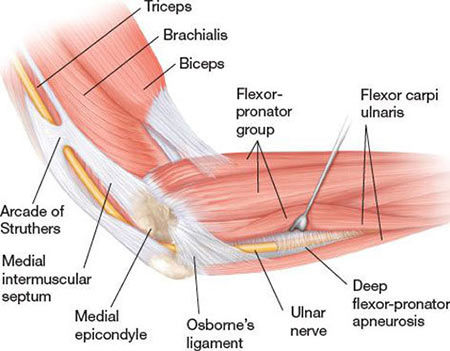 When injuring your elbow, you are likely to experience mobility issues as well as elbow pain. Don’t expect your elbow to heal on its own. You need to rely on an experienced, talented team of sports pain relief specialists in NYC for treatment, whether the damage was caused by an accident or a repetitive motion disorder.
Your elbow is made up of many small, interconnected parts that come into play in your life every single day. Your elbow joint is made up of ligaments, cartilage, bone, and fluid, all of which are vulnerable to damage and overuse. If you’re like most people, you take your elbows for granted. However, elbow tendon injury treatment is not limited to athletes and physically active workers.
One of the most common ways to injure your elbow is from playing certain sports — especially golf, tennis, and baseball. Tennis and golf injuries are common:
Tennis elbow treatment is not limited to athletes. Occupations that may lead to an injury require you to contract your forearm and raise your arm over your head repeatedly.
Tennis elbow can be caused by the following jobs:
A golf elbow is caused by repeated stress on your fingers, which travels up to your elbows. And like in tennis elbow, other sports and activities can lead to the need for golfer’s elbow treatment.
Sports that can cause golf elbow include:
Elbow injuries can be serious and minor. The symptoms typically include:
If you have any of the symptoms listed above, you may have an injury that requires medical attention. An injured elbow has the potential for serious complications. If you only experience mild swelling and no bruising or loss of feeling, it is strongly advised that you consult a doctor before seeking emergency medical care.
Immediate medical attention is recommended when:
Treatment highly depends on the type and severity of the condition. Different types of injuries require different treatments. Do not attempt any treatment without first consulting a elbow pain specialist.
Unless a bone is protruding through your skin, proper diagnostics require you to effectively explain your elbow pain before your sports injury doctor can develop a proper elbow tendon injury treatment plan. He needs to know when the pain first started, how often it appears, what makes it hurt worse, and what gives you elbow pain relief.
Additional tests that help confirm the injury include:
When you injure your elbow, you usually injure the tendons and ligaments. When you have a tear or a pulled tendon in your elbow, it might take up to two or three months to heal.
And that’s only after a rigorous round of self-care elbow tendon injury treatment techniques that include:
More aggressive treatment may be warranted after a couple of months with little or no pain relief. Treatment for an injured elbow may include a cast or taping to immobilize the joint as it heals.
Other treatments may involve:
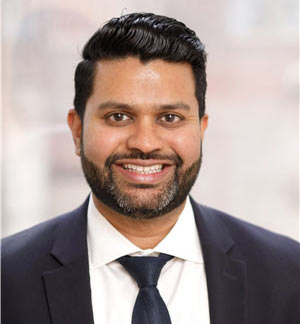
Febin Melepura, MD is a top rated, best in class interventional pain management doctor. He is a nationally recognized pain relief specialist and is among the top pain care doctors in New York City and the country. He is an award winning expert and contributor to a prominent media outlets.
Dr. Febin Melepura has been recognized for his thoughtful, thorough, modern approach to treating chronic pain and, among other accolades, has been named a “top pain management doctor in New York”, and one of “America’s Top Doctors™” for an advanced sports injury treatments.

