
- (212) 621-7746
- text us
- BOOK ONLINE Same Day Appointments
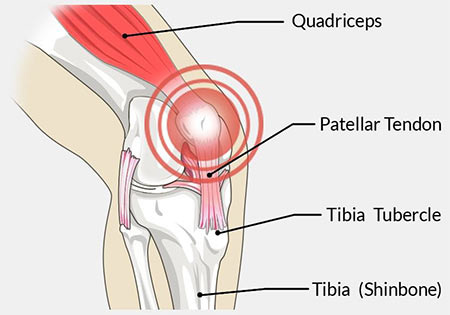 The patellar tendon that connects your kneecap to your shinbone gets a real workout if you’re involved in certain sports. Those that require a lot of jumping — such as basketball and volleyball — can set you up for a knee injury like patellar tendonitis. The repetitive movement results in tears in the tendon, which can cause a lot of knee pain. But while basketball players are at high risk, anyone who plays sports can develop a patellar tendon tear.
As with most injuries, pain is the first symptom that lets you know something is amiss. The pain is localized, meaning it’s right where the kneecap and tendon are located.
Patellar tendon pain doesn’t typically radiate to any other locations; it’s in the front or just below your kneecap. The pain usually has a typical progression:
You use your patellar tendon constantly for day-to-day activities. But the addition of competitive sports can really strain your knee joints. Patellar tendonitis is considered an overuse injury, meaning you’re doing something that requires the same repetitive movements with little to no breaks in the action.
You may be more likely to get patellar tendon tears if:
Since there are a variety of things that can be wrong in a complex part of the body like your knee – including a meniscus tear, bursitis, and arthritis, not to mention spraining and breaking a bone – your doctor may recommend a few tests. These include:
Once your Manhattan doctor has confirmed that you indeed have one or more patellar tendon tears, treatment for a jumper’s knee can commence. As with most injuries, surgery is the last resort.
Instead, your doctor looks to start with over-the-counter pain medications like ibuprofen or acetaminophen. Then it’s on to physical therapy, a standard patellar tendonitis treatment. Some things to do to help strengthen the surrounding muscles and increase flexibility include:
Another treatment for patellar tendonitis is getting injections of strong medications directly into the joint. Some relieve pain; others help new tissue form to heal your injured tendon. If nothing else works, your New York City sports doctor may suggest a surgical intervention to physically repair your patellar tendon.
You can treat patellar tendon pain at home the way you would any minor injury: by alternating ice and heat applications and elevating your leg while resting. However, if you continue working out without taking care, other symptoms may begin to appear, such as worsening patellar tendon pain, swelling or redness.

Febin Melepura, MD is a top rated, best in class interventional pain management doctor. He is a nationally recognized pain relief specialist and is among the top pain care doctors in New York City and the country. He is an award winning expert and contributor to a prominent media outlets.
Dr. Febin Melepura has been recognized for his thoughtful, thorough, modern approach to treating chronic pain and, among other accolades, has been named a “top pain management doctor in New York”, and one of “America’s Top Doctors™” for an advanced sports injury treatments.

