
- (212) 621-7746
- text us
- BOOK ONLINE Same Day Appointments
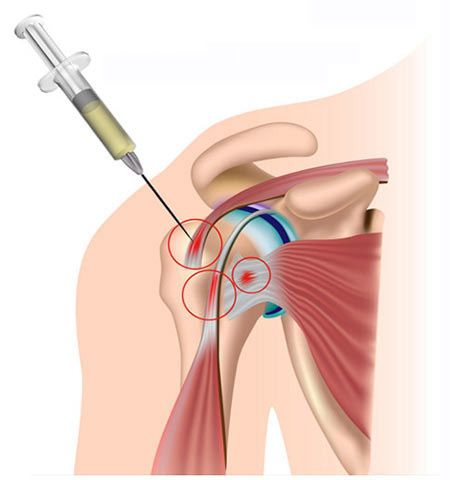
It doesn’t matter whether your pain originated from an injury or from a medical condition like arthritis or tendonitis. Your pain and shoulder limitations are real, and you need relief. Consider getting a cortisone injection in the shoulder. If milder treatments like rest, ice, and over-the-counter pain medications haven’t helped, a shoulder joint injection may be the next step.
Shoulder pain and inflammation stop you from doing many things:
Since your shoulder joint is so shallow and yet often carries a heavy load, it’s a joint that takes a lot of wear and tear. As you age, it’s more likely that you’ll have shoulder issues. Some of the injuries and ailments that can plague your shoulders include:
Many of these are serious injuries. Most of them can be treated. But your doctor won’t start off recommending a shoulder steroid injection. Treatment starts with an accurate diagnosis. Your doctor gives you a complete physical exam and then takes a full medical history, including how you think you may have hurt your shoulder.
You may need additional tests, such as an x-ray, MRI, or CT scan. Your doctor needs to be certain about your diagnosis before committing to a treatment plan. Sometimes, you’ll start with conservative treatment options: rest, ice, physical therapy, and over-the-counter pain medicine. But if they don’t help, the next step may be a cortisone injection in the shoulder.
While a shoulder joint injection isn’t a cure-all, it does help your shoulder heal from specific injuries and diseases. It definitely eases your pain and reduces the inflammation in your shoulder joint. With your pain reduced, you aren’t clutching your muscles constantly. With the inflammation down, your body can concentrate on healing.
Once you and your doctor have decided to pursue shoulder injections, the process itself is relatively easy and quick. The steps include:
Cortisone is a steroid drug that provides positive benefits in the short term, but your doctor knows you can’t have it too often. Too much can eat away at your cartilage, leaving you with arthritic symptoms.
You can have multiple shoulder injections, but they need to be at least six weeks apart, and you can’t have more than three or four injections a year. Shoulder joint injections, therefore, are not suitable for chronic pain.
While there are risks to the procedure, a cortisone injection in the shoulder has been used successfully for decades. The possible risks and potential side effects include:
To avoid these side effects, keep the injection location clean and dry. Don’t do any heavy lifting for a week; you need to give your body time to heal. Use a cold pack as needed. Call your doctor if your symptoms worsen.

Febin Melepura, MD is a top rated, best in class interventional pain management doctor. He is a nationally recognized pain relief specialist and is among the top pain care doctors in New York City and the country. He is an award winning expert and contributor to a prominent media outlets.
Dr. Febin Melepura has been recognized for his thoughtful, thorough, modern approach to treating chronic pain and, among other accolades, has been named a “top pain management doctor in New York”, and one of “America’s Top Doctors™” for an advanced sports injury treatments.

