
- (212) 621-7746
- text us
- BOOK ONLINE Same Day Appointments
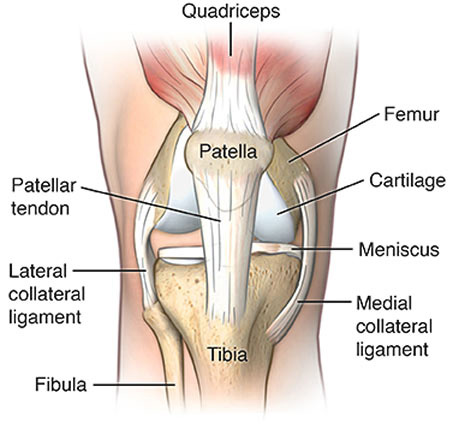 Knee tendonitis is the most common type of knee pain. Your knee is supported by four tendons and any of these can be affected. Tendonitis in the knee can result from a sudden injury or develop over time due to overuse and repetitive motion. It’s most common in middle-aged runners because the tendons become more brittle and easily torn as you age.
Other athletes who are involved in kicking, running and jumping sports are also susceptible. Tiny tears in your tendons occur with these activities and over time become inflamed. If ignored, these tiny tears can lead to larger tears and chronic conditions. Your sports medicine doctor in Midtown Manhattan offers a range of treatments, as well as early care for conditions that lead to tendonitis, including:
Though anyone can develop knee tendonitis; certain individuals are more susceptible. If pain or other symptoms occur, assess what changes you might have recently implemented and adjust accordingly. You may experience pain in your knees if you:
Knee pain results from multiple issues. Describing your symptoms and their history helps your specialist prescribe the best course of knee tendonitis treatment. Symptoms may include any combination of:
Please see your doctor right away if the pain continues or worsens over time, interferes with your daily activity or is associated with swelling, warmth or redness of the joint along with fever. It’s the best way to avoid future complications.
Your specialist assesses your pain, swelling and range of motion during a physical exam.
If your pain lasts for longer than two weeks, your doctor may order other imaging tests such as a computed tomography (CT) scan or magnetic resonance imaging (MRI). Occasionally, electromyograms are used to test for nerve damage.
Most instances of knee tendonitis resolve with the least invasive techniques. Your doctor starts with the most conservative treatments. Knee tendonitis treatments include:
Knee surgery takes anywhere from eight weeks to six months for recovery as it usually includes physical therapy for rehabilitation. No matter which therapy you choose, you should always ease slowly back into your normal activities to ensure the healing process isn’t interrupted or set back.
To either prevent the occurrence of tendonitis in the knee or keep it from returning, some simple preventive steps make all the difference:

Febin Melepura, MD is a top rated, best in class interventional pain management doctor. He is a nationally recognized pain relief specialist and is among the top pain care doctors in New York City and the country. He is an award winning expert and contributor to a prominent media outlets.
Dr. Febin Melepura has been recognized for his thoughtful, thorough, modern approach to treating chronic pain and, among other accolades, has been named a “top pain management doctor in New York”, and one of “America’s Top Doctors™” for an advanced sports injury treatments.

