Key Takeaways
- The clearest sign of a serious knee injury is the inability to bear weight on the leg right after it happens.
- Rapid swelling within the first few hours signals bleeding inside the joint and often points to an ACL tear or a fracture.
- A felt or heard "pop" at the moment of injury is strongly linked to an ACL tear.
- Locking, catching, or being unable to fully straighten the knee suggests a meniscus tear.
- A knee that buckles or gives way points to a ligament problem and instability.
- Visible deformity, numbness, a cold or pale foot, or fever are emergencies that need same-day care.
- Most serious knee injuries can be evaluated and treated without surgery first, starting with an exam, imaging, and targeted injections or physical therapy.
The Fast Answer: Minor Injury vs Serious Injury
Use this quick split before anything else. A minor knee injury hurts but improves, and a serious knee injury blocks normal function or gets worse.
A likely minor injury looks like this:
- You can walk on it, even if it is uncomfortable
- Swelling is mild and comes on slowly over a day or two
- Pain eases with rest, ice, and over-the-counter medication
- The knee bends and straightens through its normal range
- It feels steadier and less painful each day
A potentially serious injury looks like this:
- You cannot put weight on the leg, or it buckles when you try
- The knee swelled noticeably within a few hours
- You heard or felt a pop when it happened
- The knee locks, catches, or will not fully straighten
- The joint looks deformed or sits out of place
- The knee feels unstable, like it might collapse
If you tick even one item in the second list, treat it as serious until a clinician tells you otherwise. The cost of an unnecessary visit is small, while the cost of walking on a torn ligament or an undiagnosed fracture for three weeks is not.
The 8 Red-Flag Signs of a Serious Knee Injury
These are the specific signs of knee injury that move a problem from "watch at home" to "get it checked," and each one points to particular damage inside the joint.
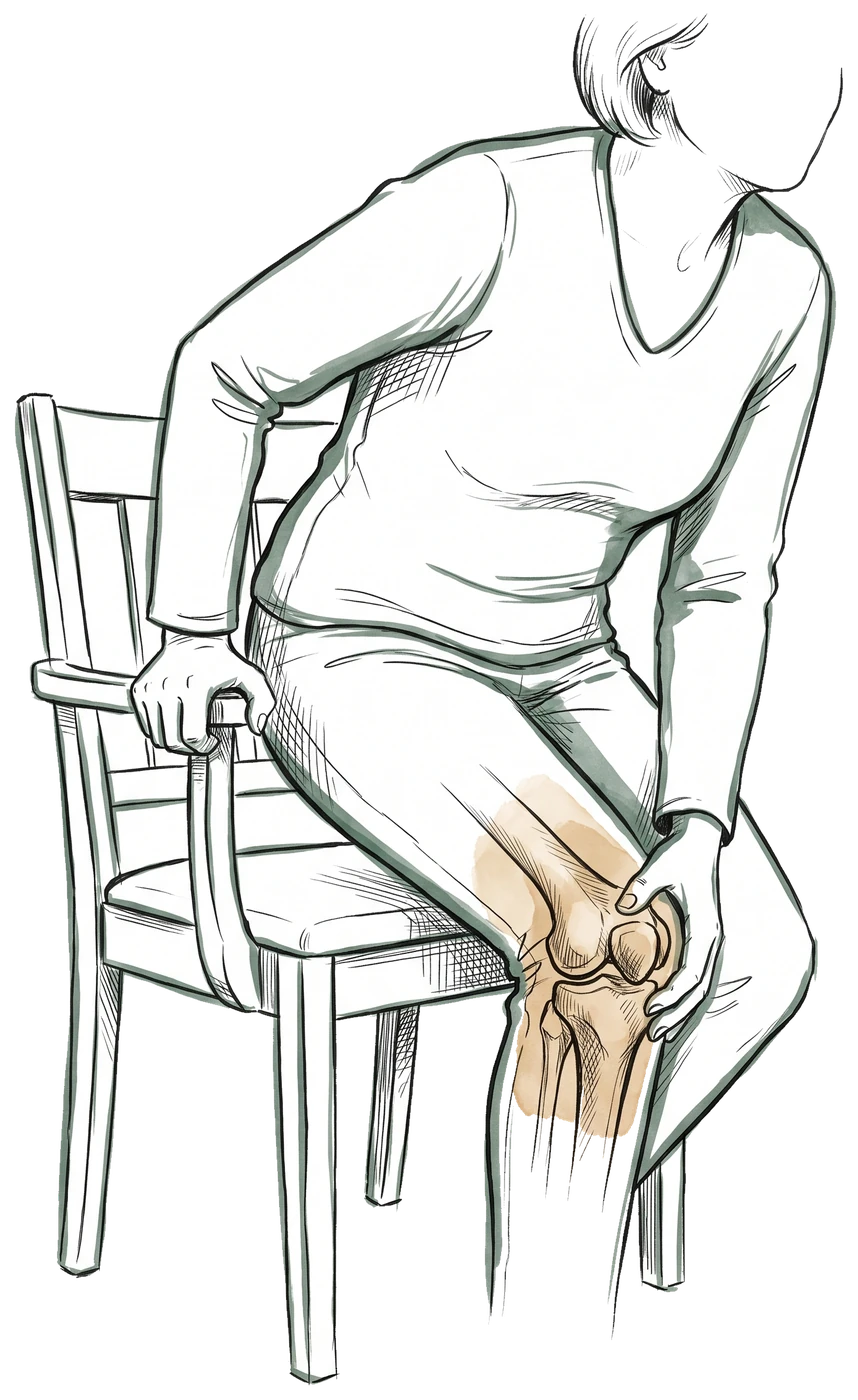
1. You cannot bear weight: Being unable to stand or walk on the leg is the single biggest warning sign of a serious injury. It suggests a fracture, a dislocation, or a major ligament or tendon rupture.
2. Rapid swelling within a few hours: Swelling that balloons quickly usually means blood is filling the joint, a condition doctors call hemarthrosis. Fast and significant swelling is a cardinal sign that something serious has happened. If your knee looks like a grapefruit, get it checked out. This pattern is classic for an ACL tear or a fracture.
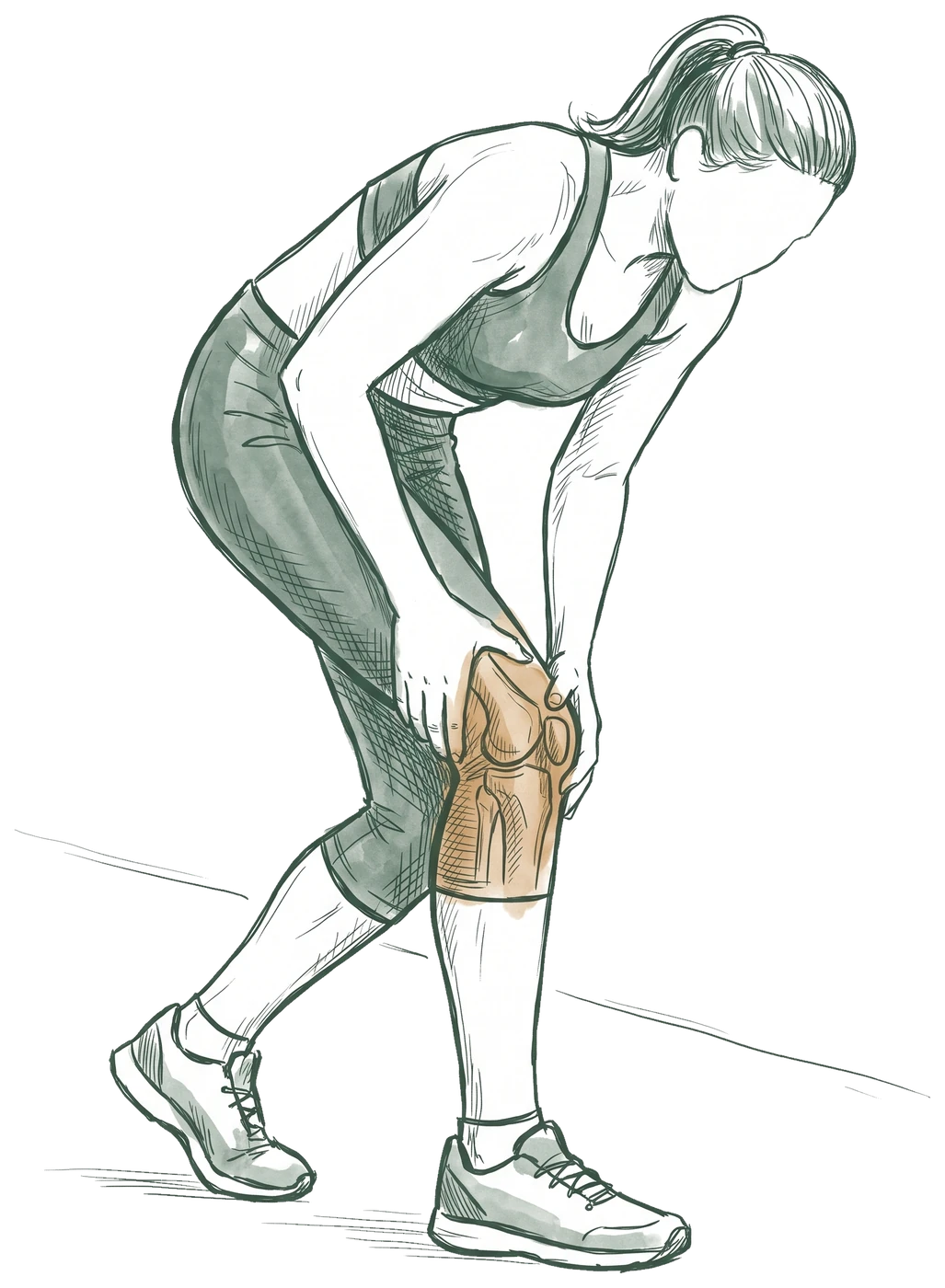
3. A pop at the moment of injury: A felt or heard pop, especially during a cut, pivot, or awkward landing, is the hallmark of an ACL tear. Most people feel or hear a pop when they tear the ACL, followed by swelling and a sense that the knee has given out.
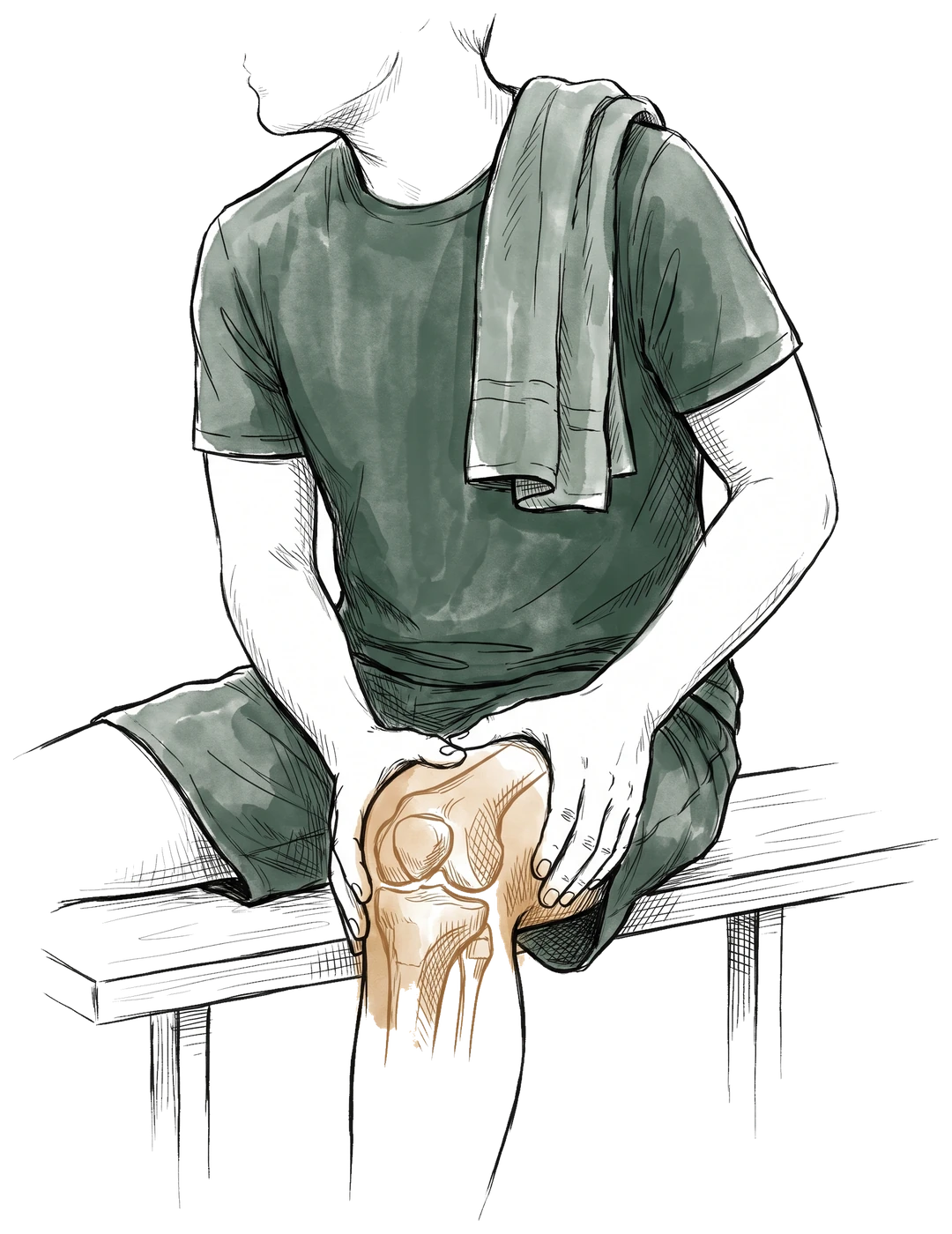
4. Locking or catching: A knee that gets stuck, catches, or will not fully straighten suggests a torn piece of meniscus is physically blocking the joint, one of the most reliable signs of a meniscus tear.
5. The knee gives way: A buckling sensation, or a feeling that the joint might collapse under you, points to instability from a ligament injury, most often the ACL.
6. Visible deformity: A knee or kneecap that looks out of place compared with the other leg can mean a fracture or a dislocation, and needs urgent evaluation.
7. Numbness, tingling, or a cold or pale foot: These suggest a nerve or blood vessel is involved, which is an emergency. Go to the nearest emergency room.
8. Fever with a hot, red, swollen knee: A warm, red joint with fever can signal an infection inside the knee, which needs same-day care.
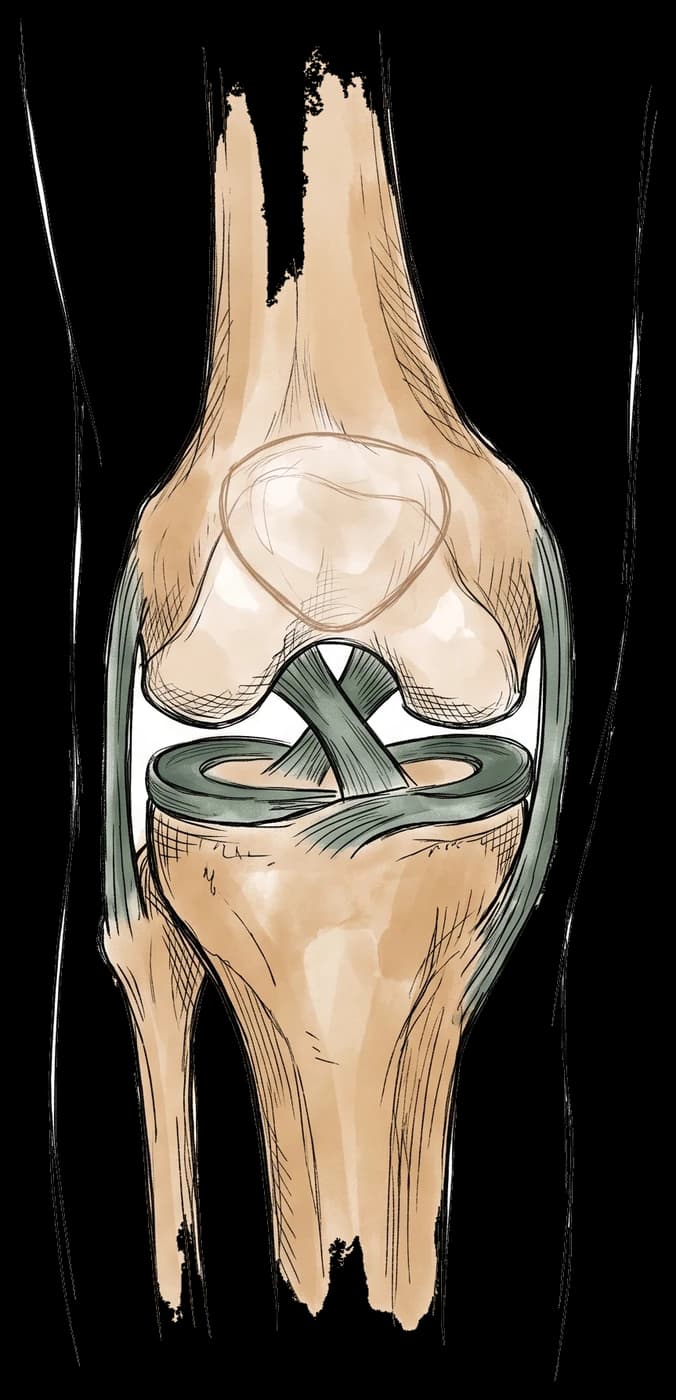
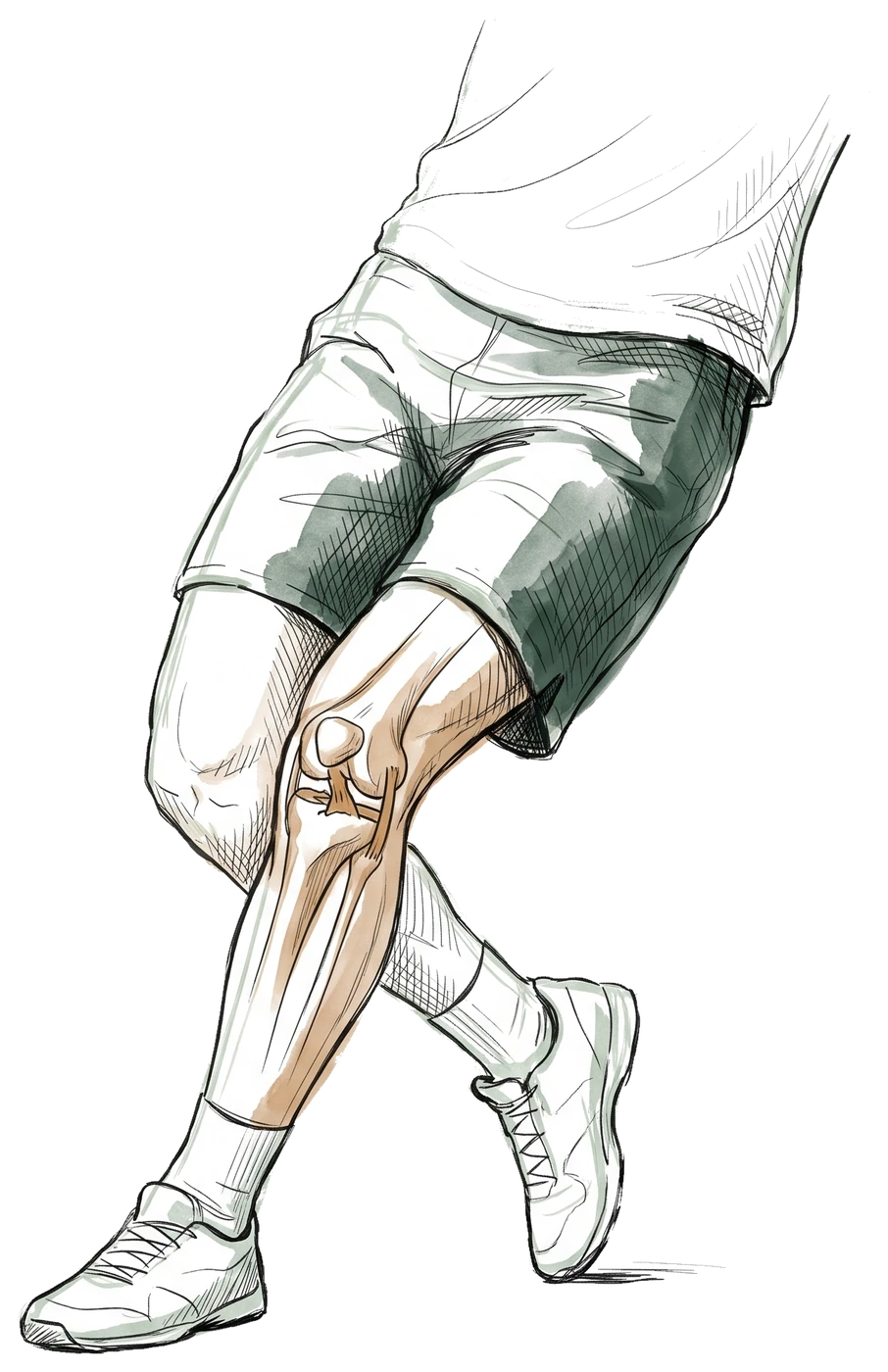
- Patella
- ACL
- PCL
- MCL
- LCL
- Menisci
What Specific Injuries These Signs Point To
The pattern of your symptoms usually narrows down the likely injury before any imaging is done.
ACL tear. A pop, the knee giving out, and rapid swelling within hours is the classic triad. People often can put a little weight down at first, then the joint feels unstable and swells fast. This is the injury most associated with sudden pivots in basketball, soccer, and skiing.
Meniscus tear. Pain on the inside or outside of the knee, swelling that builds gradually over two to three days, and locking or catching are the giveaways. AAOS OrthoInfo describes the typical meniscus tear as causing pain, stiffness, swelling, catching or locking, and difficulty straightening the leg.
MCL or LCL sprain. Pain and tenderness along the inner side of the knee points to the MCL, and pain along the outer side points to the LCL. Unlike an ACL tear, most people with a collateral ligament sprain can still bear some weight, a useful distinguishing clue.
Patellar tendon or kneecap problem. Pain right below the kneecap, trouble straightening the leg against resistance, or a kneecap that sits higher than normal can indicate a patellar tendon tear. A milder version of front-of-knee pain that worsens with stairs and squatting is often patellar tendonitis, an overuse problem rather than a sudden tear. If it does not settle with rest, a knee pain doctor in Midtown Manhattan can identify exactly which structure is involved.
Fracture or dislocation. Inability to bear weight, visible deformity, and severe pain after a fall or direct blow raise concern for a broken bone or a dislocated kneecap. These belong in an emergency room first.
- Audible Pop
- Rapid Swelling
- Gives Way
Why Knee Pain When Bending Deserves Attention
Knee pain when bending ranges from harmless to revealing, so the context matters more than the symptom alone. Pain that only shows up at the end of a deep squat, with no swelling or instability, is usually minor overuse or cartilage irritation. Pain when bending that comes with catching, locking, or a sense that the knee will not fully flex often means a meniscus fragment is in the way, and if bending also makes the knee feel like it will give out, that adds a ligament concern.
A worked example: a 34-year-old recreational runner in Manhattan twists her knee on a curb, feels a small pop, then over two days notices the knee swelling and catching when she bends to sit. No single symptom is dramatic, but a pop, delayed swelling, and catching while bending is a textbook meniscus presentation that warrants an exam and likely an MRI. General knee pain that lingers past two weeks, even without a dramatic injury, is also worth a professional look.
When to See a Doctor for Knee Pain in NYC
See a doctor within a day or two if you cannot bear weight, if the knee swelled within hours, if you felt a pop, or if the knee locks or gives way. Go to an emergency room right away for visible deformity, numbness, a cold or pale foot, or signs of infection such as fever with a hot, red joint. Watch at home for a few days only if you can walk, swelling is mild, and the knee is steadily improving.
Here is the simple decision rule I give patients:
Go to the ER now: if there is deformity, you cannot move or feel the foot, or you have fever with a red, hot knee.
Book a specialist evaluation within 1 to 3 days: if you cannot bear weight, the knee swelled fast, you felt a pop, or it locks or buckles.
Watch at home for 5 to 7 days: if you can walk, swelling is minor and slow, and each day is better than the last. If it stalls or worsens, book the evaluation.
For New Yorkers, the practical advantage of seeing a specialist early is speed and avoiding the default march toward surgery. At my Midtown clinic we offer same-day evaluations, so an active professional can get answers without losing a week. The goal of an early visit is not to rush you into an operation. It is to find out exactly what is wrong while the injury is fresh and your options are widest.
Hurt Your Knee?
ER Now
- Deformity
- Numb or cold foot
- Fever and red knee
Specialist 1 to 3 Days
- No weight-bearing
- Fast swelling
- Felt a pop
- Locks or buckles
Watch at Home
- Can walk
- Mild swelling
- Better daily
What a Specialist Evaluation Actually Looks Like
A proper knee injury diagnosis starts with your story, moves to a hands-on exam, and adds imaging only when it changes the plan. Most of it happens in the first visit.
First comes the history and physical exam. I ask how the injury happened, whether there was a pop, how fast it swelled, and what makes it worse. Then I test the knee directly. The Lachman and pivot-shift tests check the ACL for instability, the McMurray test rotates the knee to provoke a meniscus tear, and pressing along the joint line localizes the damage. These maneuvers often identify the injury before any scan.
Imaging confirms the picture. An X-ray rules out a fracture, and an MRI shows soft-tissue injuries like ligament and meniscus tears in detail. The point of imaging is to match the right treatment to the right problem, not to order scans for their own sake.
Then comes the treatment plan, and this is where a non-surgical pain specialist differs from a surgeon. For many knee injuries the first line is conservative: rest, ice, compression, elevation, physical therapy, and anti-inflammatory medication. When pain or swelling is limiting recovery, a targeted cortisone knee injection can calm the joint and let rehab progress. Surgery has its place, especially for a complete ACL tear in a young, highly active patient, but it is one option among several rather than the automatic answer.
- Rest and PT
- Anti-Inflammatories
- Image-Guided Injection
- Surgery if Needed
Non-Surgical First
Frequently Asked Questions
A simple sprain usually lets you walk, swells slowly and mildly, and improves a little each day. A serious injury stops you from bearing weight, swells within a few hours, locks or gives way, or came with a pop. If any of those serious signs are present, have it examined rather than waiting it out.
Go to the ER for visible deformity, an inability to move or feel the foot, severe uncontrolled pain, or fever with a hot, red knee, since these can mean a fracture, dislocation, nerve or vessel injury, or infection. For a knee that swelled, popped, or feels unstable but has none of those emergencies, a same-day or next-day specialist evaluation is the better path to the right imaging and treatment.
See a specialist within one to three days if you cannot bear weight, the knee swelled quickly, you felt a pop, or it locks or buckles. For mild pain with slow swelling that improves daily, watching at home for five to seven days is reasonable. If the pain stalls, worsens, or has not resolved after two weeks, book an evaluation.
Knee pain when bending can be simple overuse, but pain combined with catching, locking, or a feeling that the knee will give out often signals a meniscus tear or a ligament problem. Pain only at the end of a deep squat, with no swelling or instability, is usually minor. Pain with mechanical symptoms deserves an exam.
Rapid swelling within a few hours usually means blood is filling the joint, which points to an ACL tear or a fracture. Swelling that builds slowly over a day or two is more typical of a meniscus tear or a milder sprain. Fast, dramatic swelling is a red flag worth getting checked.
Many serious knee injuries are treated successfully without surgery, especially meniscus tears, MCL sprains, and partial ligament injuries. First-line care includes rest, physical therapy, anti-inflammatory medication, and targeted injections, with surgery reserved for cases that fail conservative treatment or for complete ACL tears in very active patients. A specialist evaluation determines which path fits your injury.
An ACL tear typically involves a pop, rapid swelling within hours, and a knee that feels unstable or gives way. A meniscus tear more often causes swelling that builds over two to three days, plus catching, locking, or trouble fully straightening the knee. Both can occur together, which is why an exam and imaging are used to tell them apart.
See a Specialist Before You Wait It Out or Jump to Surgery
If your knee will not bear weight, swelled up fast, popped, or keeps catching, you do not have to guess and you do not have to head straight for the operating room. Dr. Febin Melepura offers same-day evaluations and minimally invasive, non-surgical treatment at his Midtown Manhattan clinic, so you can find out exactly what is wrong while the injury is fresh and your options are widest. If you are dealing with any of the warning signs above, schedule a visit and get a clear plan for getting back on your feet.