

Nerve Block Injections in NYC
Sometimes, following an injury or before you begin physical therapy, your body needs a break from the onslaught of pain. Receiving a nerve block gives your body just that: temporary relief. And that may be all you need to get on track with your new exercise regimen or allow your body sufficient rest as it heals.
Our pain doctor provides nerve block injections in a variety of places where your suffering may originate.
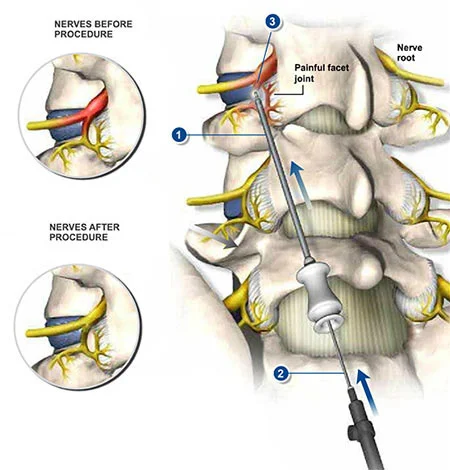
Nerve Block Injection NYC — SPIN Sports Pain Specialists
Ready to find relief with a nerve block?
Same-day nerve block appointments available.
What Is a Nerve Block?
A nerve block is an injection of local anesthetic, steroid, or a combination of both around a specific nerve or group of nerves. The goal is to interrupt the pain signal that nerve is sending to the brain -- providing targeted pain relief for conditions that have not responded to oral medications.
Nerve blocks can be used for:
Diagnosis
to confirm whether a specific nerve is the source of your pain
Short-term relief
for acute or post-surgical pain management
Long-term management
for chronic conditions where repeated injections provide sustained relief
As a bridge to other treatments
while physical therapy or other interventions take effect
At SPIN, nerve block injections are performed by board-certified pain management specialists using image guidance for precise, safe needle placement.
Types of Nerve Block Injections
Nerve blocks are named for the nerve or nerve group they target. At SPIN, we perform several types depending on the location of your pain:
Occipital Nerve Block
Targets the greater and lesser occipital nerves at the base of the skull. Used for occipital neuralgia, chronic headaches, and migraines.
Genicular Nerve Block
Targets the nerves supplying the knee joint. Used for chronic knee pain from arthritis or after knee surgery. If it does not settle with rest, a knee pain specialist in NYC can identify exactly which structure is involved.
Medial Branch Block (Facet Nerve Block)
Targets the medial branch nerves that supply the facet joints in the spine. Used to diagnose and treat facet joint pain in the neck, mid-back, and lower back.
Lumbar Sympathetic Block
Targets the sympathetic nerve chain in the lower back. Used for complex regional pain syndrome (CRPS) and lower limb pain conditions.
Suprascapular Nerve Block
Targets the suprascapular nerve in the shoulder. Used for shoulder arthritis and chronic shoulder pain (see dedicated section below).
Intercostal Nerve Block
Targets nerves running between the ribs. Used for rib fracture pain, post-surgical chest pain, and shingles-related nerve pain.
Nerve Blocks for Back Pain
Nerve blocks are one of the most effective tools in pain management for back pain that has not responded to physical therapy or oral medications.
Common nerve block types used for back pain at SPIN:
Medial Branch Blocks
Used to diagnose and treat facet joint pain -- a common cause of chronic mid and lower back pain. When a medial branch block provides significant relief, radiofrequency ablation (RFA) may be recommended for longer-lasting results.
Lumbar Nerve Root Blocks
Used when a spinal nerve root is compressed by a disc herniation or bone spur. Provides targeted anti-inflammatory relief directly at the nerve.
Epidural Nerve Block
An injection into the epidural space of the spine. Used for sciatica, spinal stenosis, and radiculopathy when the nerve root is inflamed.
Permanent Nerve Blocks for Back Pain
"Permanent" nerve blocks -- typically achieved through radiofrequency ablation (RFA) -- can provide relief lasting 6-18 months by disabling the pain-carrying nerve fibers. Results are not truly permanent but are significantly longer-lasting than standard injection blocks.
Risks of Nerve Block Injection
Nerve blocks — including an intercostal nerve block designed to treat pain after surgery or where you had shingles on your chest, a suprascapular nerve block for shoulder pain, or ilioinguinal and iliohypogastric nerve blocks for your upper thighs and groin areas — are only temporary fixes. Each lasts only a week or two.
After the medications are absorbed by your body, the pain returns. But the reprieve may be all you need to participate fully in physical therapy or rest. Risks are rare, especially when compared to the benefits. Risks include:
- Infection
- Bruising or bleeding at the site of the injection
- Medication accidentally entering your blood stream
- Medication spreading to nearby nerves
- Hitting the wrong nerve, which the x-rays help prevent
Are Nerve Blocks Painful? What to Expect
Most patients describe a nerve block as mildly uncomfortable rather than painful. Here is what to expect at SPIN:
Before the injection
A local anesthetic is applied to numb the skin at the injection site. You may feel mild pressure or a brief pinch.
During the procedure
The needle is guided by ultrasound or fluoroscopy (real-time X-ray) for precise placement. The injection itself takes only a few seconds. Some patients feel a brief, electric-like sensation as the local anesthetic reaches the nerve -- this is normal and temporary.
Immediately after
Most patients can walk out immediately. Some experience temporary numbness or weakness in the treated area -- this resolves as the local anesthetic wears off.
How soon does a nerve block work?
Local anesthetic blocks provide immediate relief, typically lasting 4-12 hours. When a steroid is included, relief from inflammation develops over 3-5 days and can last several weeks to months.
How Long Do Nerve Blocks Last?
The duration of a nerve block depends on what was injected and the type of nerve block:
- Local anesthetic only: 4-12 hours. Used for diagnostic blocks to confirm the pain source.
- Local anesthetic + steroid: The anesthetic provides immediate short-term relief. The steroid component provides anti-inflammatory relief that builds over 3-5 days and typically lasts 4-12 weeks.
- Radiofrequency ablation (RFA): When medial branch blocks confirm that a specific nerve is the pain source, RFA can be performed to disable that nerve for 6-18 months.
How often can I get nerve block injections? For pain management purposes, most physicians recommend no more than 3-4 injections per year at the same site. Frequency depends on the type of block, the underlying condition, and your response to treatment.
Suprascapular Nerve Block
A suprascapular nerve block targets those nerves in your shoulder that often become painful due to:

Rotator cuff damage

Bursitis

Arthritis

Degenerative joint disease
Over time, after years of enjoying your sport, you may need a suprascapular nerve block if you played:
Intercostal Nerve Block
Intercostal nerves are located under your ribs. Your sports medicine and pain management physician usually provides intercostal nerve blocks if you have:
The intercostal nerve block procedure also is commonly used as a diagnostic tool when imaging tests don't reveal the exact location of an injury or disease that's causing your chest pains. It takes about 30 minutes in our pain management office. When delivered for pain relief, it's often the only treatment you'll need.
Ready to find relief from pain?
Dr. Melepura's Midtown Manhattan clinic offers same-day appointments for evaluation and treatment.
Ilioinguinal and Iliohypogastric Nerve Block
The ilioinguinal nerve crosses the iliohypogastric nerve as they leave the lower part of your spine and continue down your upper thighs through to your groin. Because they are so small and wound around your pelvis, both nerves are at risk for damage during abdominal surgery, an appendectomy, C-section or even laparoscopic surgery.
Contact sports such as football and wear-and-tear activities such as running can lead to groin traumas that cause chronic pain, but ilioinguinal and iliohypogastric nerve blocks effectively treat this pain. It's common to get a nerve block following hernia surgery too.
Benefits of Nerve Block Injection
Everyone has different experiences with nerve blocks, but most people find at least temporary relief, something they are very grateful for. Usually, it's fear of the needle that's more acute than the needle itself. And your Midtown Manhattan team of specialists ensures your comfort and safety throughout the entire procedure.
A little bit of soreness for the months of reprieve from constant pain is a welcomed exchange. You and your doctor can then decide on follow-up plans of action to relieve the source of your pain or agree to regularly scheduled visits to monitor your response and give you additional nerve blocks when needed.
100+ Real Stories from Our Patients






























Dr. Febin Melepura, MD
Double Board-Certified Pain Specialist
Meet Dr. Febin Melepura - Your Nerve Block Specialist in NYC
Dr. Febin Melepura, MD is a double board-certified interventional pain management specialist and the founder of the Sports Pain Institute of New York. He completed his residency and fellowship training at New York Presbyterian Hospital / Columbia University Medical Center, one of the nation's leading academic medical centers.
He holds dual board certifications from the American Board of Anesthesiology and the American Board of Pain Medicine, and has treated more than 7,500 patients and performed over 5,250 procedures throughout his career. He has been named a Top Pain Management Doctor in New York and one of America's Top Doctors™ by Castle Connolly.
Dr. Melepura's approach to nerve block injections is rooted in precision: identify the exact source, treat it with a targeted injection, and get you back to your daily life as quickly as possible.
1,700+ Patient Reviews

"Able to make an appointment to see Dr. Melepura on short notice… attentive to my concerns… Jazmin was also very kind and helpful."

"Excellent hospitality, listener and explainer… highly recommend the doctor and the place."
"Dr. Melepura is the best! He worked with me to find the optimal solution to my shoulder pain while I was preparing for a fight!"
"Lovely, bright and modern… doctor and staff were kind… felt my concerns were heard."
"Helpful and friendly staff who gladly follows up with you if and when needed. Dr Melepura was very helpful and professional as well as provided me with excellent information and feedback."
"Dr Febin is fantastic! Highly recommend him and his practice the Spin clinic. The doctor is a good listener, kind, attentive and gave me great advice. "
"Dr.Melepura was very efficient and interpersonal, felt like he was understanding the problems I was having and explained the processes to take to rehabilitate. I would recommend."
"I felt listened to and truly understood by Dr. Melepura. Started PT the very next day. They were very friendly and I didn't feel rushed at all. Already recommended them to my friends who have or continue to play through pain."
Nerve Block Injections in NYC at SPIN
Looking for nerve block injections in NYC? At SPIN, all nerve block procedures are performed in-office by Dr. Febin Melepura -- a board-certified pain management specialist in Midtown Manhattan.
- Image-guided injections (ultrasound or fluoroscopy) for precision
- Diagnostic and therapeutic blocks available
- Same-week appointments
- Full range of nerve block types: occipital, genicular, medial branch, lumbar, intercostal
- Most major insurance plans accepted
Frequently Asked Questions About Nerve Block Injections
Nerve blocks are used for chronic back pain, neck pain, sciatica, arthritis, occipital neuralgia, complex regional pain syndrome (CRPS), post-surgical pain, and nerve-related pain that has not responded to oral medication or physical therapy. If it persists beyond a couple of weeks, it is worth discussing back pain treatment in NYC with a specialist. When the symptoms keep returning, a neck pain doctor in Midtown Manhattan can establish what is driving them. If the pain travels down the leg, a sciatica doctor in Midtown Manhattan can confirm whether the nerve root is involved.
The procedure itself takes 15-30 minutes. Most patients are in and out of the clinic within 45-60 minutes, including preparation time.
Nerve blocks are a well-established, minimally invasive procedure performed daily in pain management clinics. At SPIN, image guidance is used for all nerve block injections to minimize risks. Serious complications are rare.
Standard nerve block injections provide temporary relief lasting weeks to months. Radiofrequency ablation (RFA) can extend relief to 6-18 months by disabling the pain-transmitting nerve fibers. Most patients require periodic re-treatment for chronic conditions.
Cost depends on the type of nerve block, whether imaging guidance is used, and your insurance coverage. Most diagnostic and therapeutic nerve block injections are covered by major insurance plans when medically necessary. Our team will verify your benefits before your appointment.