

Radiofrequency Ablation in New York City
Sports + Pain Institute of New York (SPIN) offers radiofrequency ablation (RFA) at our Midtown Manhattan clinic, a minimally invasive procedure that uses precisely targeted heat energy to interrupt pain signals from specific nerves. RFA is highly effective for chronic back pain, sciatica, and facet joint pain that has not responded to conservative treatment, injections, or medication. If it persists beyond a couple of weeks, an NYC back pain specialist can pinpoint the source before it becomes chronic.
Approximately 70% of patients report significant, long-lasting relief following RFA. The procedure takes 20 to 60 minutes, requires no general anesthesia, and most patients return to normal activities within 24 hours.
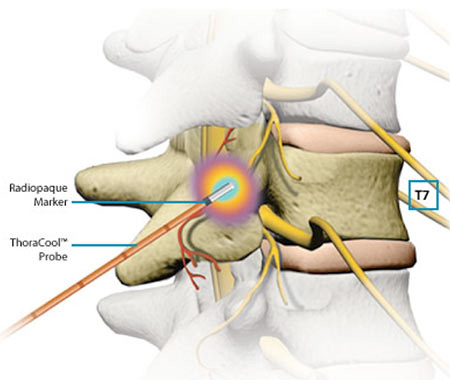
Radiofrequency Ablation NYC · SPIN Sports Pain Specialists
Ready to find lasting relief from chronic pain?
Same-day appointments available for radiofrequency ablation evaluation and treatment.
What Is Radiofrequency Ablation?
Radiofrequency ablation uses electric current and radio waves to generate heat that disrupts the nerve fibers transmitting pain signals. Unlike nerve blocks or epidural injections, which temporarily reduce inflammation, RFA creates a precise lesion on the target nerve, interrupting the pain pathway for 12 months or longer.
RFA is recommended when:
- Chronic pain has lasted more than six months
- Conservative treatments (physical therapy, medication, injections) have not provided lasting relief
- A diagnostic nerve block or medial branch block gave significant but temporary relief
Conditions We Treat with Radiofrequency Ablation at SPIN
Our NYC pain specialists use RFA to treat:
Lumbar facet joint pain
chronic lower back pain from facet joint degeneration
Cervical facet joint pain
neck pain and headaches from cervical facet joints. When the symptoms keep returning, a neck pain specialist in NYC can establish what is driving them.
Sacroiliac (SI) joint pain
pelvic and buttock pain that may radiate into the hip or leg
Sciatica
radiating leg pain from sciatic nerve irritation or facet/SI joint problems
Occipital neuralgia
severe headaches from the occipital nerves at the base of the skull
Post-laminectomy syndrome
persistent pain following back or neck surgery
Degenerative disc disease
chronic axial spine pain with secondary facet stress
Radiofrequency Ablation for Sciatica
Sciatica (sharp, burning, or shooting pain traveling from the lower back through the buttock and down the leg) is one of the most common conditions we treat at SPIN. When physical therapy, anti-inflammatories, or epidural injections provide only temporary relief, radiofrequency ablation of the sciatic nerve pathway can offer a more durable solution. If the pain travels down the leg, a sciatica specialist in NYC can confirm whether the nerve root is involved.
How RFA Addresses Sciatic Pain
- RFA creates a controlled lesion on the nerve fibers transmitting pain signals, interrupting them at the source rather than simply reducing inflammation. Relief typically lasts 12 months or longer. The nerve may eventually regenerate, but the procedure can be safely repeated.
- RFA works best for sciatica caused by facet joint pathology or sacroiliac joint dysfunction, not for sciatica from a herniated disc pressing directly on a nerve root. Dr. Melepura uses diagnostic injections and imaging to confirm the exact pain source before recommending treatment.
Is RFA Right for Your Sciatica?
RFA may be appropriate if:
- You have had sciatica for six months or longer
- Physical therapy, medication, and injections have not provided lasting relief
- A diagnostic nerve block gave significant but temporary relief
- Imaging points to facet joint or SI joint involvement rather than a herniated disc
Ready to find lasting relief from chronic pain?
Dr. Melepura's Midtown Manhattan clinic offers same-day appointments for radiofrequency ablation evaluation and treatment.
Lumbar Radiofrequency Ablation for Lower Back Pain
Lumbar RFA is the most common form of the procedure performed at SPIN. It targets the medial branch nerves, the small nerves transmitting pain from the lumbar facet joints, and is recommended after a diagnostic medial branch block confirms the facet joints as the pain source.
Best candidates for lumbar RFA:
- Chronic lower back pain lasting six or more months with little or no leg pain
- Pain that worsens when leaning backward or twisting
- Tenderness localized to one or both sides of the lower spine
- Significant but temporary relief from a prior medial branch block
Dr. Melepura targets the relevant medial branch nerves (typically at L1 through L5 levels). Under fluoroscopic guidance, the RFA needle is positioned precisely alongside each target nerve, electrical stimulation confirms placement, and heat creates the nerve lesion. The procedure takes 30 to 60 minutes depending on how many levels are treated.
What to Expect During RFA at Our Manhattan Clinic
Before the Procedure
You will check in at SPIN's Midtown Manhattan office. A low-dose sedative is available if preferred. If you take blood-thinning medications, Dr. Melepura will advise you in advance about any temporary adjustments. Do not stop medications without guidance.
During the Procedure
Using live fluoroscopic X-ray imaging, Dr. Melepura guides a thin insulated needle to the target nerve. A small electrical current confirms correct placement; you may feel mild tingling during this step. The nerve is numbed with local anesthetic, then radiofrequency energy creates a controlled lesion on the nerve. The full procedure takes 20 to 60 minutes.
After the Procedure
You will rest in recovery for 20 to 30 minutes. You need a driver for the day of the procedure. Most patients return to normal activities within 24 hours. Soreness at the site is normal for one to two weeks. Full pain relief develops over two to four weeks.
Benefits, Risks, and Side Effects of RFA
About 70 percent of the people who receive lumbar radiofrequency ablation report positive results. Sometimes, after the nerve block is done, you and your doctor realize that your pain is also coming from other sources. Risks are minimal, and complications such as infection and bleeding are rare. More commonly, you'll experience temporary side effects that could include:

Bruising

Swelling at the injection site

Leg numbness or weakness
Although you can usually return to work and your normal activities the next day, your pain management team recommends that you don't drive for 24 hours. And you'll need a ride home from the office. You'll probably be a little sore for about a week, though ice packs help relieve this discomfort.
Follow-up injections may be needed within three weeks if pain persists
Build a relationship with our experienced sports pain relief specialist at the Sports and Pain Institute of NY. They want to ensure that you get the most effective treatment for back pain. Athletes who suffer from chronic injuries, executives on the go for days on end, and older New Yorkers suffering from age-related wear-and-tear conditions appreciate the pain relief they get from the radiofrequency ablation procedure.
Full pain relief from RFA develops gradually over two to four weeks as the nerve lesion takes effect. Most patients schedule a follow-up appointment four to six weeks after the procedure to assess results. If pain returns after 12 or more months, the procedure can be safely repeated.
Contraindications
You're not a candidate for radiofrequency ablation for back pain if you:
100+ Real Stories from Our Patients




















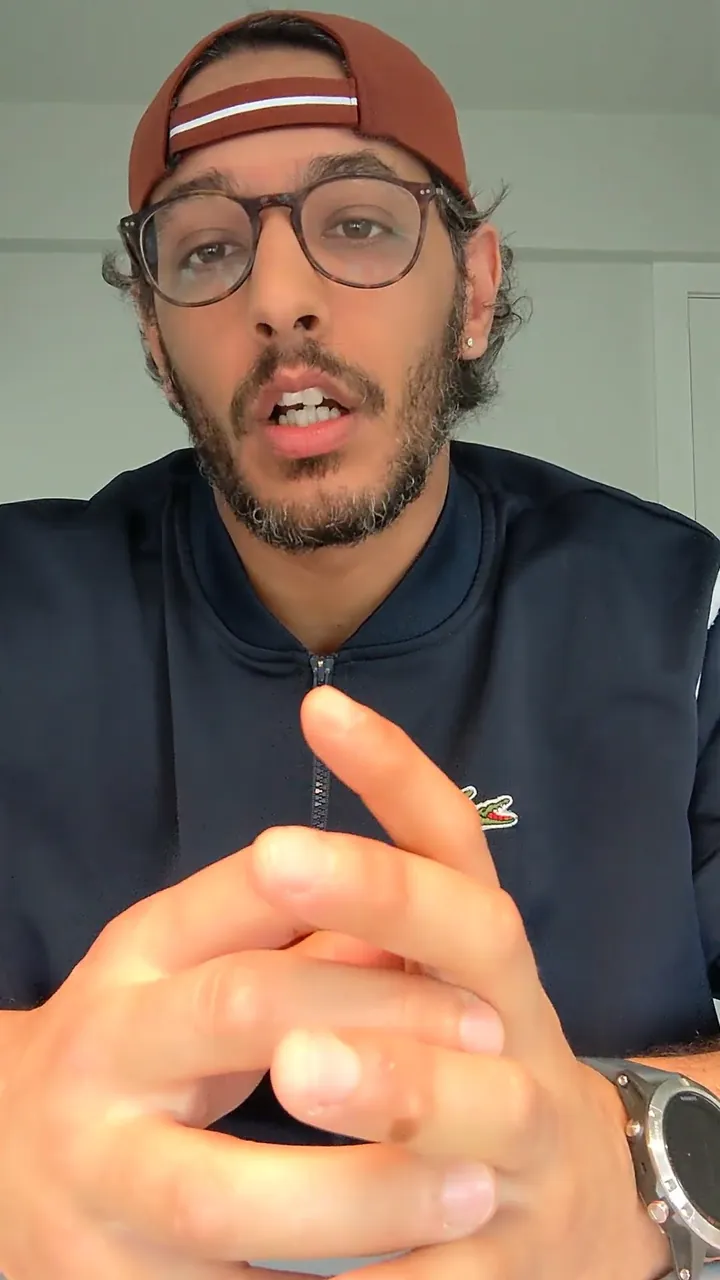



Dr. Febin Melepura, MD
Double Board-Certified Pain Specialist
Meet Dr. Febin Melepura: Your Radiofrequency Ablation Specialist in NYC
Dr. Febin Melepura, MD is a double board-certified interventional pain management specialist and the founder of the Sports Pain Institute of New York. He completed his residency and fellowship training at New York Presbyterian Hospital / Columbia University Medical Center, one of the nation's leading academic medical centers.
He holds dual board certifications from the American Board of Anesthesiology and the American Board of Pain Medicine, and has treated more than 7,500 patients and performed over 5,250 procedures throughout his career. He has been named a Top Pain Management Doctor in New York and one of America's Top Doctors™ by Castle Connolly.
Dr. Melepura's approach to radiofrequency ablation is rooted in precision: identify the exact source, treat it with a targeted injection, and get you back to your daily life as quickly as possible.
1,700+ Patient Reviews

"Able to make an appointment to see Dr. Melepura on short notice… attentive to my concerns… Jazmin was also very kind and helpful."

"Excellent hospitality, listener and explainer… highly recommend the doctor and the place."
"Dr. Melepura is the best! He worked with me to find the optimal solution to my shoulder pain while I was preparing for a fight!"
"Lovely, bright and modern… doctor and staff were kind… felt my concerns were heard."
"Helpful and friendly staff who gladly follows up with you if and when needed. Dr Melepura was very helpful and professional as well as provided me with excellent information and feedback."
"Dr Febin is fantastic! Highly recommend him and his practice the Spin clinic. The doctor is a good listener, kind, attentive and gave me great advice. "
"Dr.Melepura was very efficient and interpersonal, felt like he was understanding the problems I was having and explained the processes to take to rehabilitate. I would recommend."
"I felt listened to and truly understood by Dr. Melepura. Started PT the very next day. They were very friendly and I didn't feel rushed at all. Already recommended them to my friends who have or continue to play through pain."
Frequently Asked Questions About Radiofrequency Ablation
RFA uses heat from radio waves to damage the nerve fibers carrying pain signals from a spinal joint. It provides longer-lasting relief than injections alone and does not require surgery or general anesthesia.
Yes, when sciatica originates from the facet joints or sacroiliac joint. At SPIN, we use diagnostic injections to confirm the pain source first. If sciatica is caused by a herniated disc pressing on a nerve root, a different treatment may be more appropriate.
Most patients get 12 months of relief. Some experience up to 24 months. When the nerve eventually regenerates, the procedure can be repeated safely with similar results.
Ablation treatment for back pain is radiofrequency ablation, a minimally invasive office procedure that deactivates pain-transmitting nerves in the spine using controlled heat. Recovery is approximately 24 hours.
The procedure takes 20 to 60 minutes depending on how many spinal levels are treated, plus 20 to 30 minutes in recovery. Plan for a half-day total.
Blood thinners may need to be temporarily paused before the procedure. Do not stop any medication without guidance. Dr. Melepura will provide specific instructions at your consultation.
No. The treated nerves can regenerate over 12 to 18 months. When pain returns, the procedure can be repeated. Many patients repeat it every one to two years.
Schedule Your Radiofrequency Ablation Consultation in NYC
If you have chronic back pain, sciatica, or facet joint pain that has not responded to conservative treatment, RFA may be the right next step. SPIN serves patients throughout New York City from our Midtown Manhattan clinic. Same-day consultations are available and most major insurance plans are accepted.
Call (212) 621-7746 or book online at sportspainmanagementnyc.com.