

Wrist Pain
Wrist pain can occur due to everything from trauma to long-term wear and tear. Its causes may be ergonomic or due to repetitive stress. Other conditions such as carpal tunnel syndrome or tendonitis can cause pain in the wrist symptoms. And you may need wrist pain treatment for sudden injuries or for arthritis.
There are many factors that can cause pain in the wrist symptoms. But you can't know which of them is the culprit without the assistance and diagnostic capabilities of a talented sports medicine and pain management team of physicians in Manhattan. So, if you're in pain, don't wait for it to go away on its own; seek treatment from a qualified wrist NYC pain doctor.
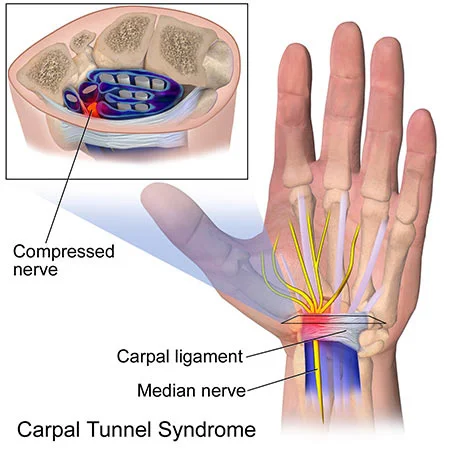
Wrist Pain NYC — SPIN Sports Pain Specialists
Ready to get relief from wrist pain?
Same-day wrist pain appointments available.
Serious Symptoms Require Treatment for Wrist Pain
Not all pain in the wrist symptoms requires medical intervention. For example, if you sprain your wrist slightly during a game of touch football over the weekend and the swelling goes away in a day of rest and ice, you probably won't need further care. On the other hand, if the swelling continues and is accompanied by redness and warmth to the touch, call your Midtown Manhattan sports medicine doctor for wrist pain treatment.
You'll come to recognize many wrist pain symptoms when you have chronic conditions such as osteoarthritis, which causes a dull ache in your wrists. When your wrist feels like there are pins and needles sticking into it, you may be developing carpal tunnel syndrome, in which case you'll want to see a doctor as soon as possible.
Professional Diagnosis Comes First
When you visit your doctor, explain your symptoms clearly. He listens to you and follows up with further questions. This is an important step to getting a proper diagnosis. Your pain management physician needs to know:
Without a clear diagnosis, you can develop a permanent disability, end up with limits to your hand mobility or experience improper healing. Other tests your doctor may perform to get to the bottom of your pain may include:
Causes of Pain in Wrist Vary
In addition to the most common sources of wrist pain, other reasons and risk factors include:
- Kienbock's disease. A disorder that usually strikes young adults. The smaller bones in your wrist undergo progressive collapse, compromising blood flow to your wrist and hand, while causing extreme pain.
- Sports participation. Athletes who play sports that involve repetitive stress on the wrists — such as snowboarding, bowling, tennis, football, golf and gymnastics — are prone to fractures, sprains and other wrist problems.
- Ganglion cysts. Cysts that appear in the soft tissue of your wrist — that's on the opposite end of your palm — can be painful when you're not doing anything or get worse when you're active.
- Jobs that demand forceful repetitive wrist motions, such as hair cutting and knitting, commonly lead to disabling wrist pain.
- Health conditions. Other conditions that are sometimes associated with wrist pain include diabetes, pregnancy, rheumatoid arthritis and obesity.
Ready to find relief from wrist pain?
Dr. Melepura's Midtown Manhattan clinic offers same-day appointments for evaluation and treatment.
Treatment for Wrist Pain in Manhattan
Wrist pain treatment varies widely, depending on the source of the pain, your general overall health, your age and severity of the wrist injury. Treatment for wrist pain at the sports medicine clinic of our specialist may include:
- Over-the-counter medicine such as ibuprofen can help to reduce swelling and pain, but stronger prescription pain medicine may be needed if you don't find relief.
- Injections. Steroids or nerve-block medications may provide relief when injected directly into your wrist.
- Physical therapy. A physical therapist can design specific exercises to strengthen your arms that will help prevent future pain in wrist symptoms. PT also is recommended after surgery.
- Sometimes, just immobilizing your wrist for a period of time may help it heal sufficiently. Your doctor provides you with recommendations when splints are most appropriate.
- You may need surgery to repair torn tendons or relieve pressure on your nerves when the tunnels through which the nerves run on the back of your hand don't give them enough room. Broken bones also may require surgery to reset, often with screws or other hardware.

Real Stories from our Patients




























Dr. Febin Melepura, MD
Double Board-Certified Pain Specialist
Meet Dr. Febin Melepura - Your Wrist Pain Specialist in NYC
Dr. Febin Melepura, MD is a double board-certified interventional pain management specialist and the founder of the Sports Pain Institute of New York. He completed his residency and fellowship training at New York Presbyterian Hospital / Columbia University Medical Center, one of the nation's leading academic medical centers.
He holds dual board certifications from the American Board of Anesthesiology and the American Board of Pain Medicine, and has treated more than 7,500 patients and performed over 5,250 procedures throughout his career. He has been named a Top Pain Management Doctor in New York and one of America's Top Doctors™ by Castle Connolly.
Dr. Melepura's approach to wrist pain is rooted in precision: identify the exact source, treat it with a targeted injection or procedure, and get you back to your daily life as quickly as possible.
What Our Wrist Pain Patients Say

"Able to make an appointment to see Dr. Melepura on short notice… attentive to my concerns… Jazmin was also very kind and helpful."

"Excellent hospitality, listener and explainer… highly recommend the doctor and the place."
"Dr. Melepura is the best! He worked with me to find the optimal solution to my shoulder pain while I was preparing for a fight!"
"Lovely, bright and modern… doctor and staff were kind… felt my concerns were heard."
"Helpful and friendly staff who gladly follows up with you if and when needed. Dr Melepura was very helpful and professional as well as provided me with excellent information and feedback."
"Dr Febin is fantastic! Highly recommend him and his practice the Spin clinic. The doctor is a good listener, kind, attentive and gave me great advice. "
"Dr.Melepura was very efficient and interpersonal, felt like he was understanding the problems I was having and explained the processes to take to rehabilitate. I would recommend."
"I felt listened to and truly understood by Dr. Melepura. Started PT the very next day. They were very friendly and I didn't feel rushed at all. Already recommended them to my friends who have or continue to play through pain."