
- (212) 621-7746
- text us
- BOOK ONLINE Same Day Appointments
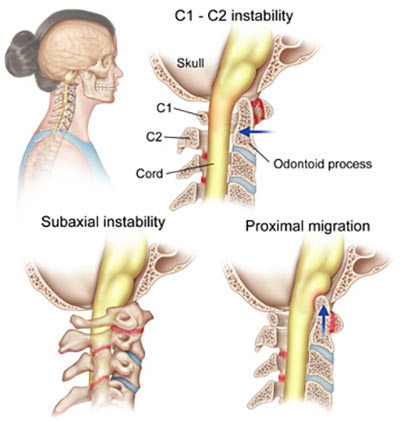 The bones in your neck change as you age. Surfaces become rougher; the discs cushioning the bones become drier; the cartilage breaks down; ligaments holding the bones in place get stiffer; bone spurs can grow; or your spinal column can narrow — all resulting in discomfort or pain and other symptoms that disrupt your daily life.
The vertebrae in your neck are especially susceptible to injury or age-related deterioration due to two factors:
The symptoms of neck arthritis often start gradually. They may or may not worsen over time. Symptoms to watch out for include:
These symptoms may subside after several months, or they can become chronic. Arthritis in the neck may revolve specifically around your facet joints in the neck as they degenerate due to osteoarthritis. Your doctor has to determine the cause of your pain.
Your facet joints are the hard, smooth cartilage located at the back of each vertebral bone. These joints enable limited forward and backward movements, as well as a twisting motion. The facet joints are encased in a protective capsule filled with synovial fluid that provides lubrication for smooth movements.
Though anyone can develop neck arthritis, some are more susceptible to experiencing chronic problems. For example:
Your NYC sports pain specialist has a variety of methods to diagnose your neck arthritis, including:
Combining the appropriate tests with your family background and blood work helps your New York pain doctor determine the correct course of treatment for the arthritis in your neck. If you’re hurting, don’t wait to seek treatment.
Your treatment options vary. They depend on the severity of your symptoms and the subsequent disruption of your daily life. Your doctor always chooses conservative, non-surgical treatments first, unless there was significant trauma. These options include:
It’s typical to employ multiple conservative treatments at once for neck arthritis treatment. More aggressive techniques include two types of surgery:
ACDF involves removing tightened ligaments or herniated discs through an incision in the front of the neck. Fusing the vertebrae together with bone or metal plates and performing a posterior cervical laminectomy involves removal of the disc, ligaments or lamina from the back of your neck.
These options have a high success rate, but as with all surgeries, risks of infection, continued or worsened pain and damage to surrounding tissue are always possible. Recovery time is usually four to six weeks and involves neck braces, medication and physical therapy. Treatment for arthritis in the neck has made huge strides in the past several years. Your Midtown Manhattan pain specialist has access to them all.

Febin Melepura, MD is a top rated, best in class interventional pain management doctor. He is a nationally recognized pain relief specialist and is among the top pain care doctors in New York City and the country. He is an award winning expert and contributor to a prominent media outlets.
Dr. Febin Melepura has been recognized for his thoughtful, thorough, modern approach to treating chronic pain and, among other accolades, has been named a “top pain management doctor in New York”, and one of “America’s Top Doctors™” for an advanced sports injury treatments.

