

Pulled Back Muscle Treatment in NYC
A pulled back muscle, also called a back strain, is an overstretched or torn muscle in your back. It usually happens when you lift something heavy, twist suddenly or overdo a workout, and causes pain that gets worse when you move, along with stiffness and muscle spasms. Most people recover within about two weeks with home care.
If the pain is severe or lasts longer than two weeks, a back pain doctor in Midtown Manhattan can pinpoint the source before it becomes chronic. Same-day appointments are available.
Pulled Back Muscle NYC: SPIN Sports Pain Specialists
Ready to treat your pulled back muscle?
Same-day appointments available.
Pulled back muscle at a glance
- What it is: an overstretched or torn muscle (or tendon) in the back, also called a back strain
- Main symptoms: pain that gets worse when you move, stiffness, muscle spasms and tenderness
- Recovery time: most people recover within about two weeks; more serious strains can take longer
- See a doctor if: the pain lasts more than two weeks, spreads down a leg, keeps you up at night, or followed a fall or accident
- Get emergency care if: you cannot move a leg, or you lose bladder or bowel control
What Is a Pulled Back Muscle?
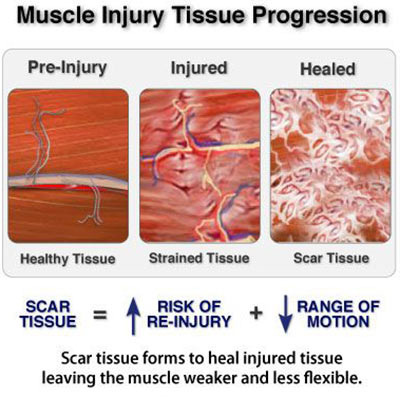
A pulled muscle is a tear in the muscle fibers, and "pulled muscle" and "strained muscle" mean the same injury. In the back, it happens when a muscle or tendon is stretched further than it can handle, either in one sudden movement or through overuse that wears the fibers down.
It is easy to confuse with a back sprain, which injures a ligament (the tough tissue that holds bones together) rather than a muscle. The two feel very similar and are treated in much the same way, which is why many people call both a pulled back.
How to Tell If You Pulled a Muscle in Your Back
Most people notice a pulled back muscle straight away, during or just after the activity that caused it, such as lifting something heavy or shoveling snow. Some feel a pop or tear at the moment of injury. A strain from overuse can build up more gradually over a few days. Common signs include:
- Back pain that gets worse when you move
- Stiffness, and trouble walking, bending or standing up straight
- Muscle spasms or cramping
- Tenderness in the back
- Redness or bruising over the injured area
- Less pain when you rest
Pain, numbness or tingling that spreads down a leg is not typical of a pulled muscle. It points to an irritated nerve and should be checked by a specialist.
Pulled, Strained or Torn? How Bad Is Your Back Strain
"Pulled" and "strained" describe the same injury. "Torn" describes how badly the fibers are damaged. Doctors grade muscle strains by severity:
| Grade | What has happened |
|---|---|
| Grade 1 (mild) | A few muscle fibers are pulled and broken |
| Grade 2 (moderate) | More fibers are torn, but the muscle is not torn through |
| Grade 3 (severe) | The muscle is torn all the way through |
Most people can recover from a pulled muscle at home, and most recover completely, even from a more serious strain.
What Can Be Mistaken for a Pulled Back Muscle?
Pain that feels like a simple strain can sometimes come from a deeper problem in the spine, such as a herniated disc, spinal stenosis, a stress fracture or a compressed nerve. A back sprain can also feel almost identical. Signs that it may be more than a pulled muscle:
Pain that lasts longer than two weeks despite rest and home care
Numbness, tingling or weakness in your legs or feet
Pain that travels down one leg, like sciatica
Severe pain at night, or pain that wakes you up
Pain that started after a fall, a sports injury or a car accident
These need a proper diagnosis, so book an evaluation rather than waiting it out.
What Causes a Pulled Back Muscle?
A back muscle pulls when it is asked to do more than it can handle. Common causes include:
Being overweight also raises the risk.
Pulled Back Muscle Treatment in NYC
Most pulled back muscles heal with home care. Treatment aims to ease the pain in the first few days, then get you moving and strengthen the muscle so it does not happen again.
What to Do in the First Few Days
- Rest, but not for long. Take it easy for the first day or two, moving slowly and gently. Resting for more than two days can do more harm than good.
- Cold first, then heat. Apply cold for 15 to 20 minutes every four hours for the first few days, with a thin cloth between the ice pack and your skin. Once the inflammation has settled, switch to heat to ease stiffness and soreness.
- Compression. Wrapping the injured area helps reduce swelling and pain. It matters most in the first 24 to 48 hours.
- Pain relief. An over-the-counter anti-inflammatory can help in the first few days, if it is safe for you.
- Get moving again. Once the worst has passed, gentle stretching and short walks help the muscle heal. Return to your usual activity gradually.
What Not to Do
- Do not stay in bed for long periods. It slows recovery.
- Do not lift heavy objects or twist your back while it heals.
- Do not jump back into high-intensity exercise, which can damage the muscle further.
- Do not stretch into pain. Stop or ease off any activity that causes sharp pain.
- Do not leave ice or heat on for longer than 15 to 20 minutes at a time.
Treatment at SPIN
If the pain is severe or not improving, Dr. Melepura can build a plan around your diagnosis, which may include:
- Prescription medication, such as pain relievers or a muscle relaxant for spasm
- Physical therapy with gradual strengthening exercises and better posture, plus a home exercise program between visits
- Trigger point injections, which together with targeted physical therapy are a first-line treatment for muscle-related back pain and back muscle spasms
- Massage, to relax sore muscles and relieve stiffness
How Long Does a Pulled Back Muscle Take to Heal?
Most people with a pulled back muscle recover fully within about two weeks with rest and home care, and you should notice the pain easing a little each day. A more serious strain can take several weeks to a few months to heal completely. Following your treatment plan can speed up healing.
If the pain persists beyond a couple of weeks, have it examined so a back pain specialist can pinpoint the source before it becomes chronic.
When to See a Doctor for a Pulled Back Muscle
Most pulled back muscles get better with time and home care. Make an appointment if:
Get emergency care or call 911 if you cannot move a leg at all, if numbness, tingling or weakness in your legs, belly or buttocks is new or getting worse, or if you lose bladder or bowel control.
Dr. Melepura will examine you, ask about your medical history and any recent accidents, and give you a diagnosis and an individual treatment plan.
Not getting better? Same-day appointments are available at our Midtown Manhattan clinic.
Prevention Is the Best Course
Anyone can overdo an exercise routine or other activity. But to avoid the need for later pulled lower back muscle treatment, follow these suggestions:

Find good core strengthening exercises.

Develop and adhere to proper posture.

Incorporate proper lifting techniques.

Continue healthy stretching and strengthening back exercises.
Your pain specialist in NYC helps determine which pulled lower back muscle treatment best heals your back pain. Moving forward, the prevention of future injury helps keep you healthy and pain-free.
Frequently Asked Questions About Pulled Back Muscles
A pulled back muscle usually hurts straight away, during or just after the activity that caused it. The pain gets worse when you move and eases when you rest, and you may notice stiffness, muscle spasms, tenderness, and trouble bending or standing up straight. Pain, numbness or tingling down a leg points to a nerve problem instead.
Most people recover fully within about two weeks with rest and home care. A more serious strain can take several weeks to a few months. If the pain persists beyond a couple of weeks, have it examined.
Rest for a day or two but not longer, use cold for the first few days and heat after that, and take an over-the-counter anti-inflammatory if it is safe for you. Then start gentle stretching and short walks and build up gradually. For severe pain, physical therapy, a muscle relaxant or trigger point injections can help.
Avoid long periods in bed, heavy lifting, twisting and high-intensity exercise while the muscle heals. Do not stretch into pain, and do not leave ice or heat on for more than 15 to 20 minutes at a time.
A herniated disc, spinal stenosis, a stress fracture, a compressed nerve or a back sprain can all feel like a pulled muscle at first. Pain that lasts more than two weeks, spreads down a leg, wakes you at night or follows a fall or accident should be checked by a specialist.
"Pulled" and "strained" mean the same injury: a tear in the muscle fibers. "Torn" describes how severe it is. A mild strain breaks only a few fibers, while a severe strain tears all the way through the muscle.
Use cold for the first few days to calm pain, swelling and spasm, then switch to heat once the inflammation has settled, to ease stiffness and soreness. Use either for 15 to 20 minutes at a time, with a cloth between the pack and your skin.
Try sleeping on your side with a pillow between your legs, or on your back with a pillow under your knees. Both positions can ease pain in your lower back.
No, although they feel alike. A pulled muscle (strain) injures a muscle or tendon, while a sprain injures a ligament. Both are treated in much the same way.
Ready to find relief from your pulled back muscle?
Dr. Melepura's Midtown Manhattan clinic offers same-day appointments for evaluation and treatment.
100+ Real Stories from Our Patients








Dr. Febin Melepura, MD
Double Board-Certified Pain Specialist
Meet Dr. Febin Melepura - Your Pulled Back Muscle Specialist in NYC
Dr. Febin Melepura, MD is a double board-certified interventional pain management specialist and the founder of the Sports Pain Institute of New York. He completed his residency and fellowship training at New York Presbyterian Hospital / Columbia University Medical Center, one of the nation's leading academic medical centers.
He holds dual board certifications from the American Board of Anesthesiology and the American Board of Pain Medicine, and has treated more than 7,500 patients and performed over 5,250 procedures throughout his career. He has been named a Top Pain Management Doctor in New York and one of America's Top Doctors™ by Castle Connolly.
Dr. Melepura's approach to pulled back muscle treatment is rooted in precision: identify the exact source, treat it with a targeted injection, and get you back to your daily life as quickly as possible.
1,700+ Patient Reviews

"Able to make an appointment to see Dr. Melepura on short notice… attentive to my concerns… Jazmin was also very kind and helpful."

"Excellent hospitality, listener and explainer… highly recommend the doctor and the place."
"Dr. Melepura is the best! He worked with me to find the optimal solution to my shoulder pain while I was preparing for a fight!"
"Lovely, bright and modern… doctor and staff were kind… felt my concerns were heard."
"Helpful and friendly staff who gladly follows up with you if and when needed. Dr Melepura was very helpful and professional as well as provided me with excellent information and feedback."
"Dr Febin is fantastic! Highly recommend him and his practice the Spin clinic. The doctor is a good listener, kind, attentive and gave me great advice. "
"Dr.Melepura was very efficient and interpersonal, felt like he was understanding the problems I was having and explained the processes to take to rehabilitate. I would recommend."
"I felt listened to and truly understood by Dr. Melepura. Started PT the very next day. They were very friendly and I didn't feel rushed at all. Already recommended them to my friends who have or continue to play through pain."