

Lumbar Epidural Steroid Injection
A lumbar epidural steroid injection (LESI) is one of the most widely performed non-surgical treatments for lower back and leg pain. By delivering corticosteroid medication directly into the epidural space - the area surrounding the spinal nerves in the lower back - the injection reduces nerve root inflammation and provides targeted pain relief that oral medication cannot match.
At SPIN (Sports Pain Management NYC), lumbar epidural steroid injections are performed by board-certified pain management specialists under fluoroscopic (real-time X-ray) guidance. The procedure takes less than 30 minutes, requires no general anesthesia, and most patients return to normal light activity the following day.
Since 1952, steroidal medication injection has successfully treated lower back pain and sciatica symptoms.
Today, your sports medicine team at SPIN relies on this proven technique to manage the pain you may have in your lower back. Following your lumbar epidural steroid cortisone shot injection recovery, you may not need more treatments since the pain relief gives your body sufficient time to heal. However, your physician often uses the lumbar epidural injection in concert with other treatments.
Lumbar Epidural Steroid Injection NYC — SPIN Sports Pain Specialists
Ready to get relief from lower back and leg pain?
Same-day appointments available for lumbar epidural steroid injection evaluation and treatment.
Pain after Lumbar Epidural Cortisone Steroid Injection Shot
Since the pain associated with an injection shot is so minor and passes within a couple of hours, it's an ideal modality to relieve chronic and acute pain. With this effective pain treatment, you can better tolerate other remedies and rehabilitation plans your doctor recommends.
Long-term solutions for your lower back pain may include:
- Rest
- Activity modification
- Directed stretching and strengthening exercises
- Physical therapy
- Low-impact aerobics
- Ice and heat
- Over-the-counter anti-inflammatory medications and pain relievers
- Transcutaneous electrical nerve stimulation (TENS)
Lumbar Epidural Cortisone Injection
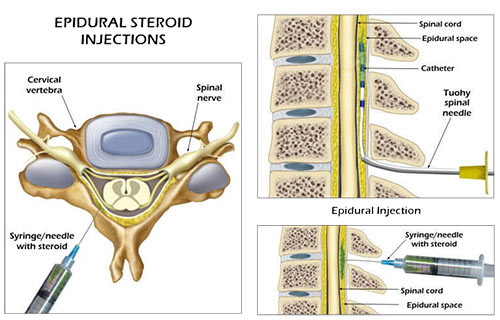
The dura mater is the soft tissue surrounding your spinal cord, and the phrase is the root of the word "epidural", which is a nerve block injection designed to stop the pain you're feeling in your lower body. In addition to a lumbar epidural, you might receive a cervical epidural to target neck pain or a thoracic epidural targeting moderate back pain.
While there are many reasons you may need a lumbar epidural cortisone injection shot, the most common ones seen by your doctor include:
- Compression fractures
- Herniated disc
- Painful spinal cysts
- Spinal stenosis
- Degenerative disc disease
What to Expect During Cortisone Shot
The lumbar epidural cortisone shot process takes between 15 and 30 minutes in the office of your Midtown pain management doctor. You begin by lying face down on an x-ray table so your physician can rely on fluoroscopy to deliver live pictures of your spine as he inserts the needle. Fluoroscopy helps your doctor direct the steroidal medication to the exact location of your pain; it reduces the need for an extended lumbar epidural steroid recovery precisely because it is so exacting.
You may feel some minor pressure as the steroid is injected into your back, but you generally won't feel much pain after a lumbar epidural injection for back pain. Once you're home and in the throes of lumbar epidural steroid recovery, you may feel slight tenderness at the injection site, but this is quickly numbed with ice.
Cortisone Shot Potential Risks and Side Effects
Under the guidance of an experienced pain and sports medicine doctor, side effects from an epidural cortisone shot are minimized. But as with any procedure, they can happen. Some risks associated with the lumbar epidural cortisone shot include:

Bleeding

Infection

Anxiety

Temporary blood sugar spikes

Stomach ulcers

Facial flushing

A dural puncture, also called a wet tap, leads to a headache that typically dissipates within a day or two

Temporary low immunity due to the immune-suppressing nature of steroids

Extremely rare nerve damage
In the injected area, some patients can feel soreness or slight discomfort. When the local anesthesia wears off while the steroids have not begun to take effect can lead to this sort of pain. By applying ice packs and taking a low dose of Tylenol, you can manage this soreness.
"Steroid flush" or temporary flushing of the face and chest, elevated blood sugar, sleep issues, menstrual issues in women, and water retention are possible side effects of steroids. Since we use a limited amount of potent steroids, these side effects are uncommon. Without any medication, the side effects resolve within 2 to 3 days.
Following Lumbar Epidural Steroid Injection Recovery
You can usually return to your normal activities the day after the procedure. You may have some pain after a lumbar epidural cortisone steroid injection procedure that lasts longer than a day, but that's also temporary. Your Manhattan pain management doctor may provide you with a prescription pain reliever to get you through the first couple of days.
In most patients with back or leg pain, epidural steroids benefit. The effect of steroids injection can take as long as 2 to 10 days. The most successful procedures are coupled with associated treatments like physical therapy.
Long-Term Lumbar Recovery
At the very least, the intermittent relief from chronic pain that you can get from a spinal cortisone shot gives your body time to heal naturally following an accident or other traumatic injury. Additionally, giving your mind a break from the constant barrage of discomfort and/or painkillers you need to take is equivalent to improving your overall quality of life.
When you live with chronic pain, building a relationship with your Midtown Manhattan pain management specialist helps as you make further decisions about your continued medical care. Once your doctor knows you better and understands your medical history, he can give you better advice regarding when might be the appropriate time for more invasive treatment like surgery.
Ready to find relief from lower back and leg pain?
Dr. Melepura's Midtown Manhattan clinic offers same-day appointments for lumbar epidural steroid injection evaluation and treatment.
Conditions Treated With a Lumbar Epidural Steroid Injection
A lumbar ESI is most effective when nerve root inflammation is a significant component of the pain - rather than purely mechanical or structural causes. The conditions most commonly treated include:
Lumbar disc herniation
When a disc in the lower back bulges or ruptures and presses against a nerve root, it causes radicular pain (shooting pain down the leg, commonly called sciatica). A lumbar ESI delivers anti-inflammatory medication directly to the compressed nerve root, reducing swelling and often resolving the radiating pain even when the herniation itself remains.
Lumbar spinal stenosis
Stenosis is the narrowing of the spinal canal in the lower back, which compresses the nerve roots running through it. The characteristic symptom is neurogenic claudication - pain or heaviness in the legs when walking that improves with sitting. Lumbar ESI reduces the inflammatory component of stenosis pain and can significantly improve walking tolerance, particularly in patients who are not surgical candidates.
Lumbar radiculopathy
Lumbar radiculopathy is the clinical term for a pinched nerve root in the lower back. It causes pain, numbness, or tingling that radiates from the lower back into the buttock, leg, or foot along a specific nerve distribution. The L4-L5 and L5-S1 levels are the most commonly affected, causing symptoms in the outer thigh, calf, or foot.
Degenerative disc disease with radiculopathy
As discs lose height and hydration over time, the surrounding structures can compress nerve roots. When this compression causes significant leg or buttock pain, a lumbar ESI targets the specific level generating symptoms.
Failed back surgery syndrome
Patients who continue to experience leg or back pain after lumbar spine surgery may benefit from ESI to address ongoing nerve inflammation that the surgery did not resolve.
Post-herpetic neuralgia (shingles-related spinal pain)
When the varicella-zoster virus affects a lumbar nerve root, the resulting pain can be treated with epidural steroid injection to reduce nerve inflammation.
Lumbar Epidural Steroid Injection in NYC
SPIN's NYC pain management specialists perform lumbar epidural steroid injections in our fully equipped procedure suite. All injections use fluoroscopic (X-ray) guidance to confirm the needle position before medication is delivered - a standard of care that improves both safety and accuracy.
Before recommending a lumbar ESI, our specialists review your MRI findings, clinical examination, and symptom history to confirm that nerve root inflammation is the appropriate treatment target. If you arrive without recent imaging, we coordinate the evaluation as part of your care plan rather than sending you elsewhere for multiple referrals.
Most patients in NYC are candidates for a same-day consultation and can be scheduled for the injection within the same week. We serve patients from all five boroughs - Manhattan, Brooklyn, Queens, the Bronx, and Staten Island - as well as New Jersey and Connecticut.
If you have been living with lower back pain, leg pain, or sciatica, and conservative treatments (rest, physical therapy, oral medication) have not provided adequate relief, a lumbar ESI may be the most direct path to meaningful improvement without surgery.

Real Stories from our Patients

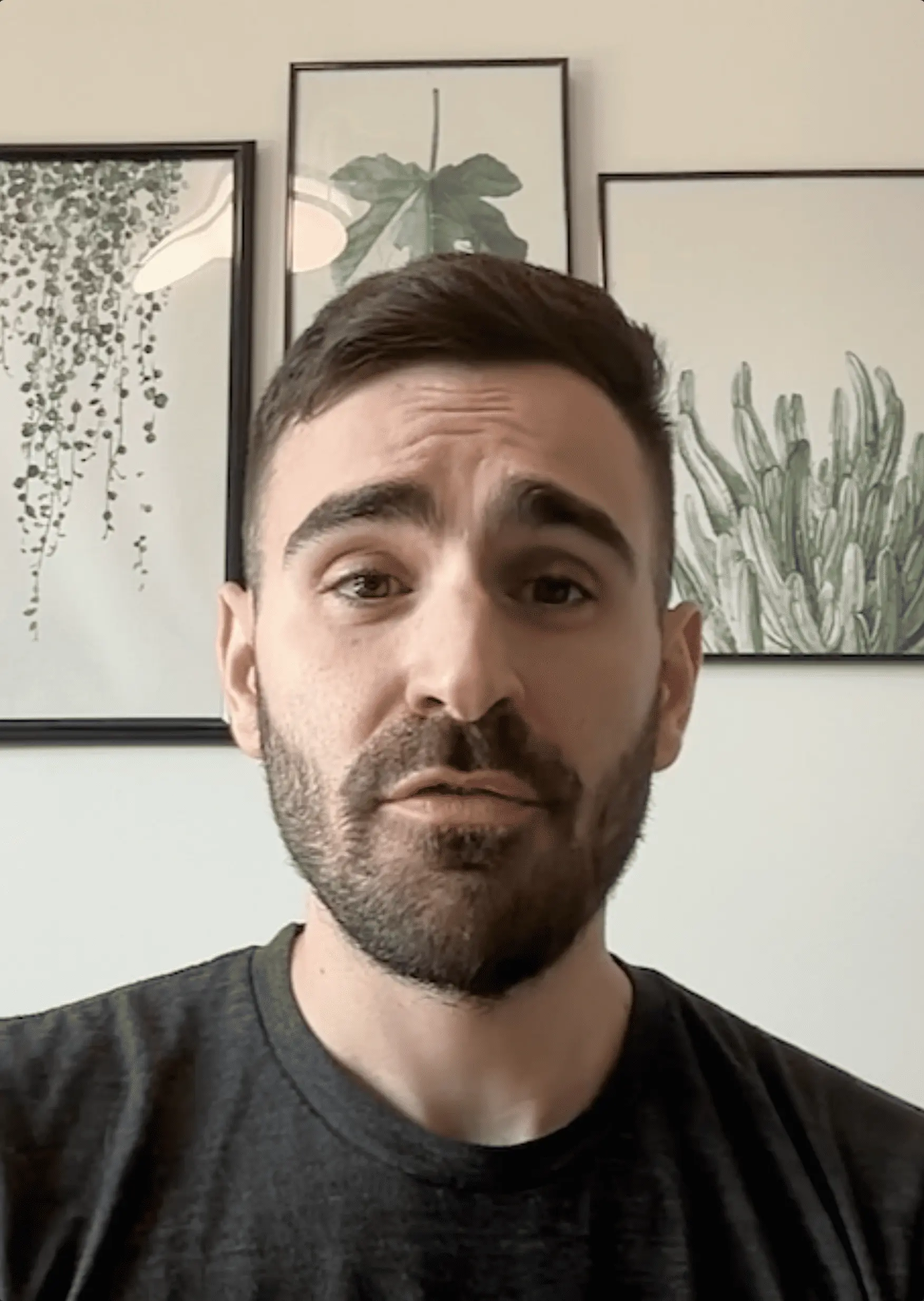






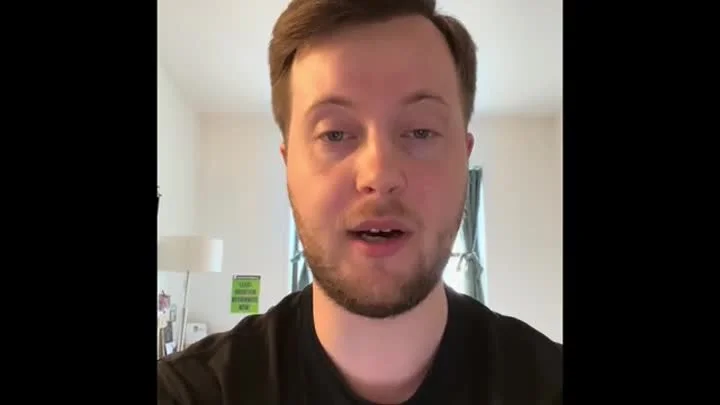

Dr. Febin Melepura, MD
Double Board-Certified Pain Specialist
Meet Dr. Febin Melepura - Your Lumbar Epidural Specialist in NYC
Dr. Febin Melepura, MD is a double board-certified interventional pain management specialist and the founder of the Sports Pain Institute of New York. He completed his residency and fellowship training at New York Presbyterian Hospital / Columbia University Medical Center, one of the nation's leading academic medical centers.
He holds dual board certifications from the American Board of Anesthesiology and the American Board of Pain Medicine, and has treated more than 7,500 patients and performed over 5,250 procedures throughout his career. He has been named a Top Pain Management Doctor in New York and one of America's Top Doctors™ by Castle Connolly.
Dr. Melepura's approach to lumbar pain is rooted in precision: confirm the nerve level generating your symptoms, deliver the corticosteroid exactly there, and get you back to your daily life as quickly as possible.
What Our Patients Say

"Able to make an appointment to see Dr. Melepura on short notice… attentive to my concerns… Jazmin was also very kind and helpful."

"Excellent hospitality, listener and explainer… highly recommend the doctor and the place."
"Dr. Melepura is the best! He worked with me to find the optimal solution to my shoulder pain while I was preparing for a fight!"
"Lovely, bright and modern… doctor and staff were kind… felt my concerns were heard."
"Helpful and friendly staff who gladly follows up with you if and when needed. Dr Melepura was very helpful and professional as well as provided me with excellent information and feedback."
"Dr Febin is fantastic! Highly recommend him and his practice the Spin clinic. The doctor is a good listener, kind, attentive and gave me great advice. "
"Dr.Melepura was very efficient and interpersonal, felt like he was understanding the problems I was having and explained the processes to take to rehabilitate. I would recommend."
"I felt listened to and truly understood by Dr. Melepura. Started PT the very next day. They were very friendly and I didn't feel rushed at all. Already recommended them to my friends who have or continue to play through pain."
Frequently Asked Questions About Lumbar Epidural Steroid Injections
For most patients, relief lasts between 3 weeks and 6 months. Patients with acute disc herniations and recent-onset radiculopathy tend to get the longest-lasting results. For chronic stenosis, relief is shorter but repeatable - a second injection can be given 6-8 weeks after the first.
The irritated nerve endings that need treatment are located in the epidural space. To gain access to them, a thin needle made of flexible material will be injected slightly to the side of your back's middle.
Here's a step-by-step recreation of the whole procedure:
- An X-ray is being used to place the needle into the correct spot.
- You will adopt a slightly curled position on an X-ray table while lying on your stomach.
- Then follows the cleaning process and the process of applying a local anesthetic.
- When positioned correctly, the needle is then inserted into the epidural space. A real-time x-ray monitor aids the correct position of the needle.
- The dye is injected to guide the steroids to the exact place.
- Along with the anesthetic, the steroids are then gently injected. Immediately afterward, the needle is removed.
The time of the treatment is approximately 5 to 6 minutes.
We will monitor you for any problems for around 15 to 20 minutes before being discharged after the operation.
The standard protocol allows up to 3 injections per year in the same region, with at least 6-8 weeks between each. More frequent injections increase the risk of corticosteroid-related side effects without improving outcomes.
We try to avoid repeating the injection by optimizing the first epidural to be as good as possible. If there is a need, we may perform the treatment the second time. All the details can be discussed during your follow-up appointment.
Yes - it is one of the most effective non-surgical options for lumbar spinal stenosis. By reducing the inflammation that accompanies stenotic nerve compression, the injection improves walking tolerance and reduces leg pain in the majority of patients who are not surgical candidates or wish to delay surgery.
Avoid driving on the day of the procedure. Rest lightly for the remainder of the day. You can return to desk work and light activity the next day. Avoid heavy lifting and strenuous physical activity for 2-3 days. Ice the injection site for 15-20 minutes if you have soreness. If prescribed, begin physical therapy 5-7 days after the injection.
You can take a shower on the same day as an epidural injection. To omit any possible complications, don't take a bath or a hot tub; postpone your visit to the sauna or pool for at least two days.
Epidural injections do not cause weight gain. Long-term use of high-dose steroids has widespread adverse effects, including body weight, and may alter some body systems. We restrict the number of shots of epidural steroids a person may obtain in a year.
A lumbar ESI is one of the most targeted treatments for sciatica caused by a herniated disc or bone spur pressing on a nerve root. Studies show 50-80% of patients with disc herniation-related sciatica experience significant improvement. The injection does not remove the herniation - it reduces the inflammatory response around the affected nerve, which is often what makes the pain so severe.
They use the same class of medication (corticosteroids), but the delivery method is different. A cortisone shot is typically injected into a muscle or joint. A lumbar ESI is injected into the epidural space - a specific anatomical compartment surrounding the spinal nerves in the lower back - placing the medication directly where nerve root inflammation is occurring.
A lumbar ESI is appropriate when nerve root inflammation is causing the pain and conservative care has not been sufficient. Surgery is considered when there is significant neurological deficit (weakness, loss of bladder or bowel control), when the structural problem is severe and progressive, or when repeated ESIs fail to provide adequate relief. Most patients benefit from exhausting injection-based options before considering surgical intervention.