

Cortisone Shoulder Joint Injection
It doesn't matter whether your pain originated from an injury or from a medical condition like arthritis or tendonitis. Your pain and shoulder limitations are real, and you need relief. Consider getting a cortisone injection in the shoulder. If milder treatments like rest, ice, and over-the-counter pain medications haven't helped, a shoulder joint injection may be the next step.
Shoulder pain and inflammation stop you from doing many things:
- Playing your favorite sport
- Working at a physically demanding job
- Sleeping through the night

Shoulder Injection NYC — SPIN Sports Pain Specialists
Ready to treat your shoulder pain?
Same-day shoulder injection appointments available.
Diagnosis
Since your shoulder joint is so shallow and yet often carries a heavy load, it's a joint that takes a lot of wear and tear. As you age, it's more likely that you'll have shoulder issues. Some of the injuries and ailments that can plague your shoulders include:
- Shoulder sprains and strains
- Rotator cuff injury, including a full tear
- Frozen shoulder, also known as adhesive capsulitis
- An impingement in your shoulder
- Arthritis in your shoulder joint
- Bursitis in your shoulder
- Shoulder tendonitis
Many of these are serious injuries. Most of them can be treated. But your doctor won't start off recommending a shoulder steroid injection. Treatment starts with an accurate diagnosis. Your doctor gives you a complete physical exam and then takes a full medical history, including how you think you may have hurt your shoulder.
You may need additional tests, such as an x-ray, MRI, or CT scan. Your doctor needs to be certain about your diagnosis before committing to a treatment plan. Sometimes, you'll start with conservative treatment options: rest, ice, physical therapy, and over-the-counter pain medicine. But if they don't help, the next step may be a cortisone injection in the shoulder.
Your Cortisone Injection Shoulder
While a shoulder joint injection isn't a cure-all, it does help your shoulder heal from specific injuries and diseases. It definitely eases your pain and reduces the inflammation in your shoulder joint. With your pain reduced, you aren't clutching your muscles constantly. With the inflammation down, your body can concentrate on healing. Once you and your doctor have decided to pursue shoulder injections, the process itself is relatively easy and quick. The steps include:
During your office visit, you're made comfortable. You don't need anything more than a topical local anesthetic.
In some cases, you may need to lie on an x-ray table so your doctor can view live fluoroscopic images to guide the needle to the right spot in your shoulder.
Your sports and pain physician gives you shoulder injections, often at multiple angles so that the medicine surrounds the inflamed area.
The shoulder steroid injection contains some local anesthetic, which should relieve your pain immediately. The anesthetic wears off a few hours after the injection, though, so you may feel your old pain return. This is expected and temporary, as the steroid medicine takes several days to take effect. In the meantime, your doctor may give you some oral painkillers.
After a period of observation, you're free to go home. Once the steroid anti-inflammatory starts to work, it lasts for several months, giving your body time to heal naturally.
Not for Everything
Cortisone is a steroid drug that provides positive benefits in the short term, but your doctor knows you can't have it too often. Too much can eat away at your cartilage, leaving you with arthritic symptoms.
You can have multiple shoulder injections, but they need to be at least six weeks apart, and you can't have more than three or four injections a year. Shoulder joint injections, therefore, are not suitable for chronic pain.
Ready to find relief from shoulder pain?
Dr. Melepura's Midtown Manhattan clinic offers same-day appointments for evaluation and treatment.
Risks and Side Effects of Shoulder Injections
While there are risks to the procedure, a cortisone injection in the shoulder has been used successfully for decades. The possible risks and potential side effects include:
To avoid these side effects, keep the injection location clean and dry. Don't do any heavy lifting for a week; you need to give your body time to heal. Use a cold pack as needed. Call your doctor if your symptoms worsen.
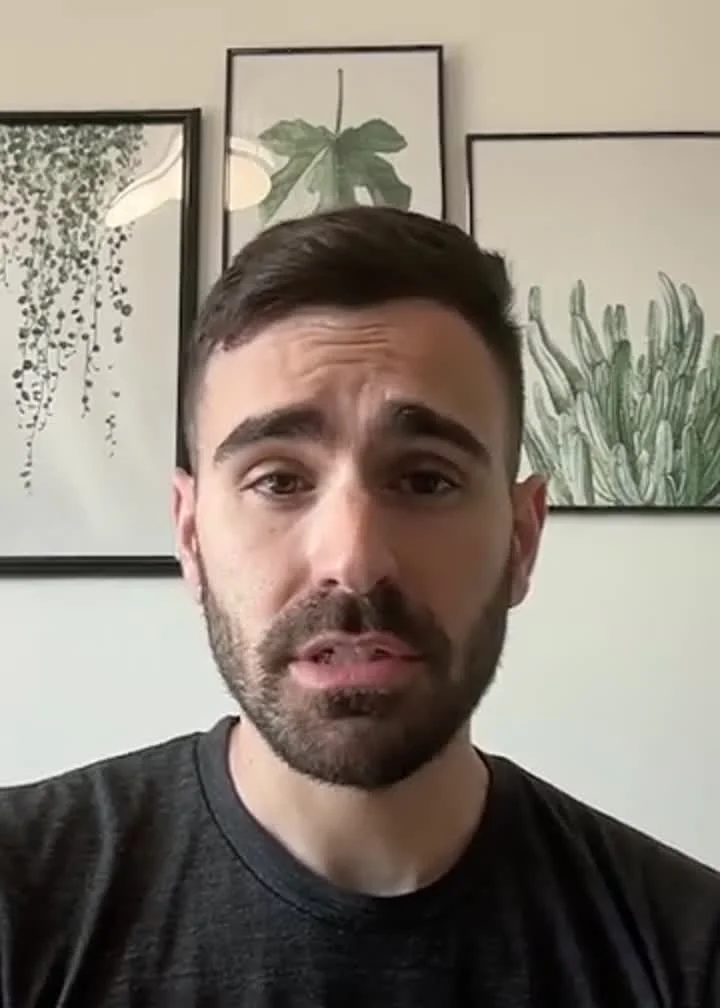
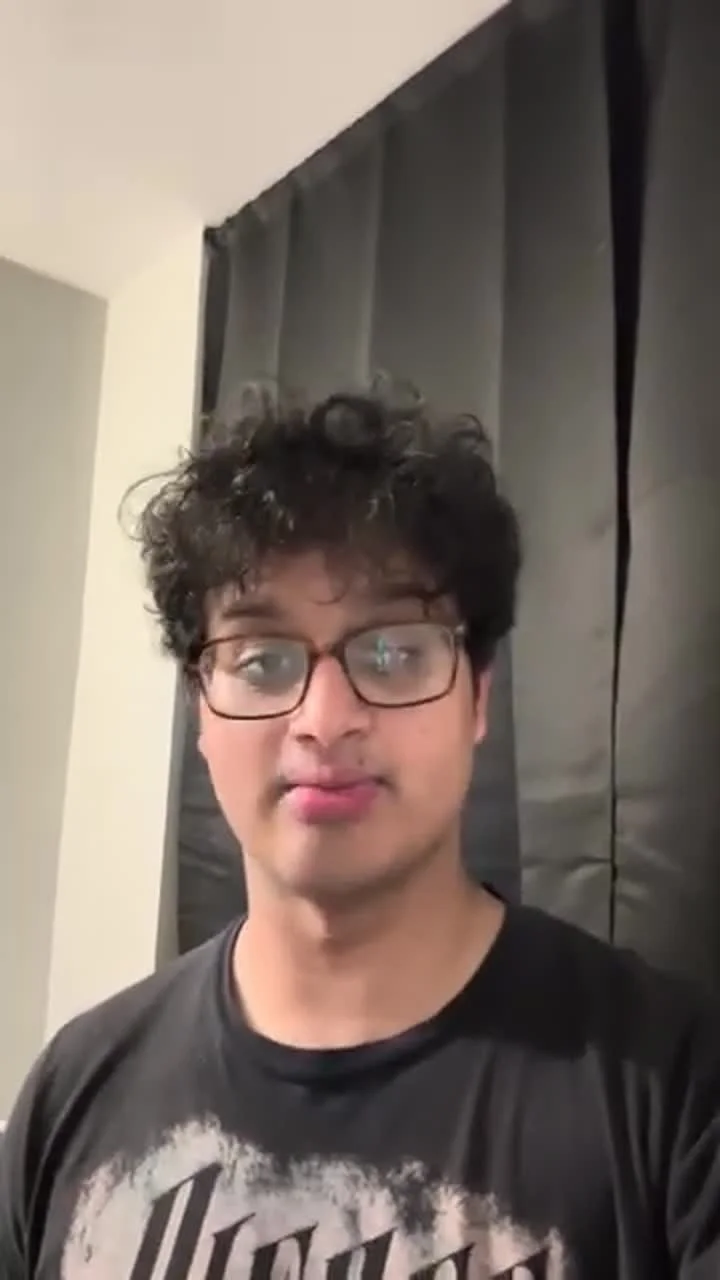
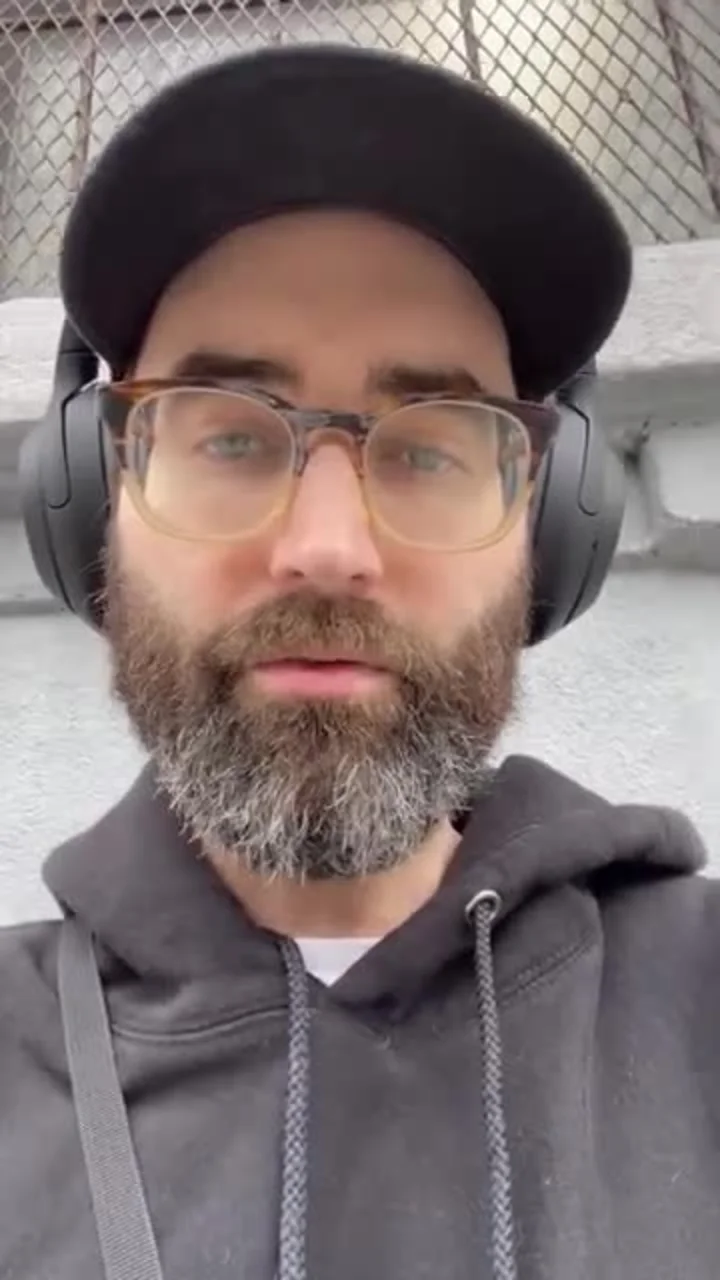
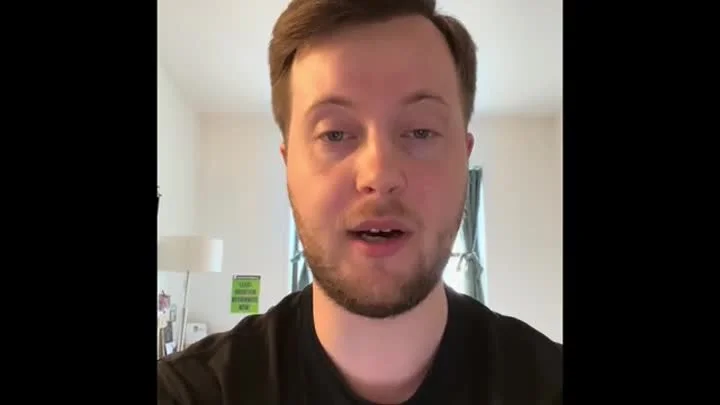
100+ Real Stories from Our Patients




















Dr. Febin Melepura, MD
Double Board-Certified Pain Specialist
Meet Dr. Febin Melepura - Your Shoulder Injection Specialist in NYC
Dr. Febin Melepura, MD is a double board-certified interventional pain management specialist and the founder of the Sports Pain Institute of New York. He completed his residency and fellowship training at New York Presbyterian Hospital / Columbia University Medical Center, one of the nation's leading academic medical centers.
He holds dual board certifications from the American Board of Anesthesiology and the American Board of Pain Medicine, and has treated more than 7,500 patients and performed over 5,250 procedures throughout his career. He has been named a Top Pain Management Doctor in New York and one of America's Top Doctors™ by Castle Connolly.
Dr. Melepura's approach to shoulder pain is rooted in precision: identify the exact source, treat it with a targeted injection, and get you back to your daily life as quickly as possible.
1,700+ Patient Reviews

"Able to make an appointment to see Dr. Melepura on short notice… attentive to my concerns… Jazmin was also very kind and helpful."

"Excellent hospitality, listener and explainer… highly recommend the doctor and the place."
"Dr. Melepura is the best! He worked with me to find the optimal solution to my shoulder pain while I was preparing for a fight!"
"Lovely, bright and modern… doctor and staff were kind… felt my concerns were heard."
"Helpful and friendly staff who gladly follows up with you if and when needed. Dr Melepura was very helpful and professional as well as provided me with excellent information and feedback."
"Dr Febin is fantastic! Highly recommend him and his practice the Spin clinic. The doctor is a good listener, kind, attentive and gave me great advice. "
"Dr.Melepura was very efficient and interpersonal, felt like he was understanding the problems I was having and explained the processes to take to rehabilitate. I would recommend."
"I felt listened to and truly understood by Dr. Melepura. Started PT the very next day. They were very friendly and I didn't feel rushed at all. Already recommended them to my friends who have or continue to play through pain."