
- (212) 621-7746
- text us
- BOOK ONLINE Same Day Appointments
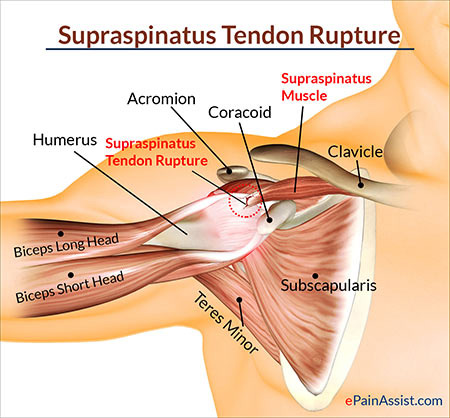 It’s not difficult to imagine that when strong tissues like tendons become inflamed, it’s very painful. Tendonitis shoulder pain can be debilitating, so seek out your doctor at the Sports and Pain Institute of NY. He knows how to treat tendonitis in the shoulder to get you back to a pain-free existence.
Treatment should be performed as soon as you realize there’s a problem. Otherwise, it can lead to permanent disability. Tendonitis shoulder pain doesn’t have to disrupt your life.
Tendons are the thick, fibrous, cordlike structures that connect muscles to bones. They help you properly position your bones, maintain your posture and perform all kinds of movement. When tendons become inflamed, it’s called tendonitis.
Tendonitis can occur in any part of your body, but most often it occurs in joints that are constantly in use. Joints in your shoulder, arm, wrist, knee and ankle are the most common sites of tendonitis. The condition occurs when you engage in repetitive movements that stress a joint, such as during sports and fitness activities, or when you have a physically demanding job.
Tendonitis in the shoulder involves the muscles that aid the movement of the shoulder — the rotator cuff muscles – so it’s often called rotator cuff tendonitis. Our sports medicine team sees these injuries in baseball pitchers, swimmers, and quarterbacks.
All of the symptoms of tendonitis shoulder issues revolve around pain and mobility. The key symptoms of tendonitis in the shoulder include:
Tendonitis shoulder pain can be characterized in different ways. The pain may occur at different times, in positions, and in different areas of your shoulder or arm. Common symptoms include:
History of trauma to the shoulder area along with the specific pain and decreased joint function point to tendonitis shoulder. If your history includes a repetitive action or constant use of your shoulder, that gives your doctor clues that point toward a diagnosis. A physical examination is important for shoulder tendonitis treatment. It consists of certain specific joint and limb movements that tell the doctor:
Your Manhattan sports medicine physician may suggest tests like x-rays, an MRI or CT scan to rule out other causes of shoulder pain like shoulder arthritis, bone spurs, bursitis, or deformities. An ultrasonogram, or USG, is used to visualize inside the shoulder joint.
Medical shoulder tendonitis treatment is mostly pain management and reduction of joint swelling. This is done with over-the-counter NSAIDs like naproxen or ibuprofen. Swelling in the joint is reduced by steroid injections.
In cases where there’s muscle injury or a tendon tear, surgical shoulder tendonitis treatment may be required. If muscles need to be repaired or a tendon needs to be reattached, arthroscopy is often recommended.
Recovery depends on the severity of the tear, but with proper rest, pain management and physiotherapy, you should maintain or even improve your joint function within a few months.
You can prevent tendonitis in the shoulder and the tendonitis shoulder pain associated with it. Proper technique, refraining from the strenuous joint activity, and quick treatment by your Midtown Manhattan team of specialists if you get injured prevent chronic pain and disability.

Febin Melepura, MD is a top rated, best in class interventional pain management doctor. He is a nationally recognized pain relief specialist and is among the top pain care doctors in New York City and the country. He is an award winning expert and contributor to a prominent media outlets.
Dr. Febin Melepura has been recognized for his thoughtful, thorough, modern approach to treating chronic pain and, among other accolades, has been named a “top pain management doctor in New York”, and one of “America’s Top Doctors™” for an advanced sports injury treatments.

