

Neck Muscle Spasms: Causes, Relief and Treatment in NYC
Medically reviewed by Dr. Febin Melepura, MD · Last reviewed November 3, 2026
A neck muscle spasm is a sudden, involuntary tightening of the muscles in your neck. It can feel like a sharp grab of pain or a twitch, and afterwards the muscle often stays tight and hard to the touch. It might hit one spot or run from the back of your neck into your shoulder.
Most neck spasms aren't serious and clear up on their own within a week. Gentle stretching, heat or ice, and a few changes to how you sit, sleep and hold your phone usually help.
If a spasm keeps coming back, follows an injury, or comes with numbness or weakness, get it checked. At our Midtown Manhattan practice, Dr. Febin Melepura finds the cause and treats it, with options from physical therapy to trigger point injections.
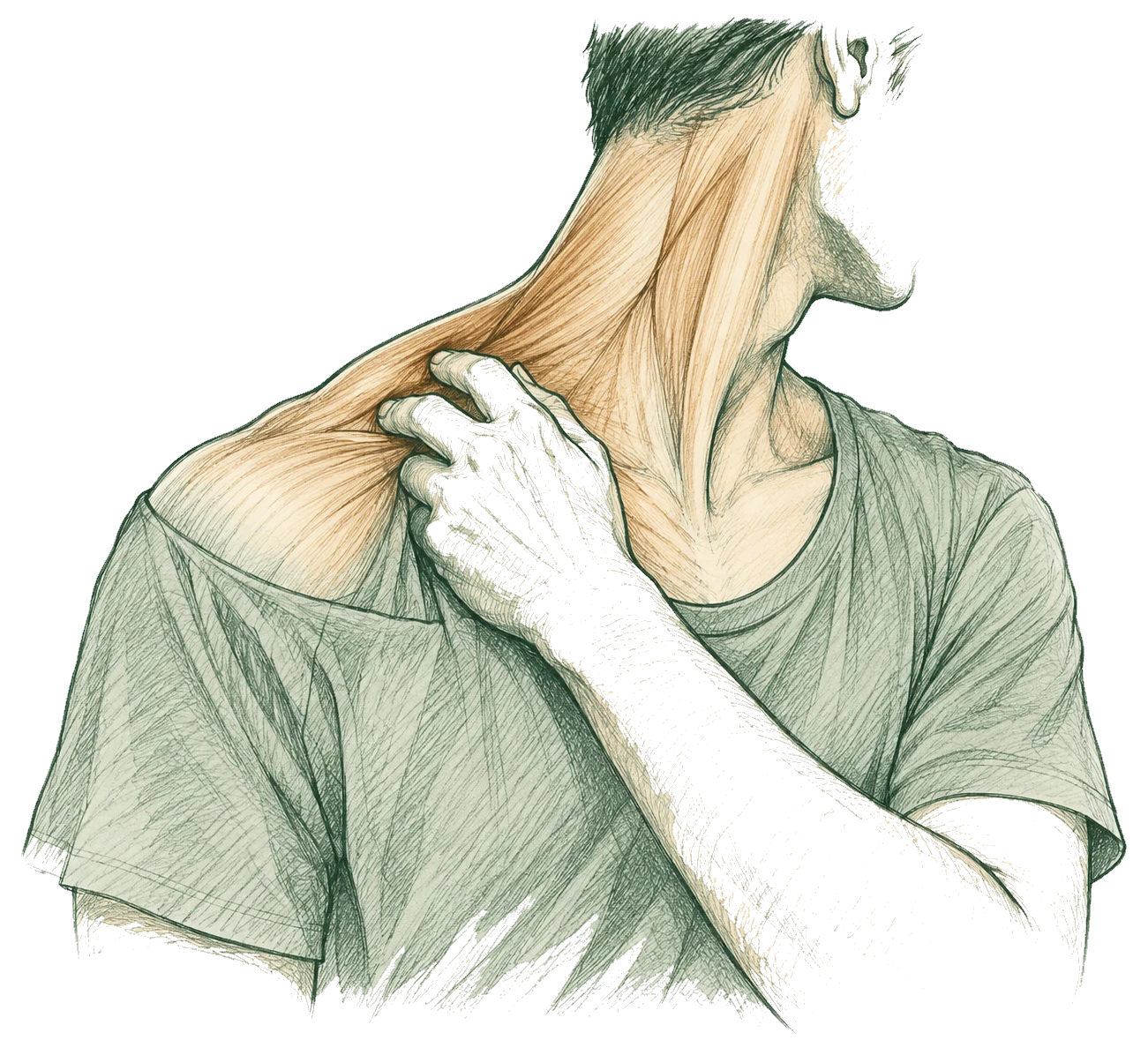
Muscle Spasms Neck NYC · SPIN Sports Pain Specialists
Ready to get relief from neck muscle spasms?
Same-day neck muscle spasm appointments available.
Neck spasm at a glance
- What it is: a sudden, involuntary tightening of a neck muscle
- How it feels: a sharp grab of pain or a twitch, then a tight, hard muscle and a stiff neck
- Common causes: a strained muscle, an awkward sleeping position, cradling a phone, long hours looking down at screens, stress
- How long it lasts: a single spasm, from seconds to about 15 minutes; most episodes clear up within a week
- First steps: gentle stretching, ice for the first 2 to 3 days and then heat, and keep moving
- Get it checked if: it isn't better after a week, it started after an injury or fall, or it comes with numbness or weakness
What Does a Neck Spasm Feel Like?
A neck spasm usually comes on suddenly. You might feel a sharp, uncontrollable pain or a twitch, and the muscle can feel tight or hard afterwards, leaving your neck stiff.
The pain usually stays in the neck and upper shoulders. That's a useful clue: pain that shoots down into your arm or hand, or comes with numbness or tingling, points more toward a pinched nerve than a simple spasm.
Some people wake up with it. Waking with pain and stiffness down one side of the neck, often called wry neck, is usually linked to the way you slept, and it tends to settle within a few days.
What Causes Neck Muscle Spasms?
Most neck spasms come from everyday strain, and a strained or sprained neck muscle is the most common cause. Anything that keeps your neck in one position for too long, or loads it unevenly, can set one off.
holding your phone between your ear and shoulder
craning your head forward over a laptop or phone for long stretches, sometimes called tech neck
sleeping in an awkward position, especially on your stomach with your head turned to one side
carrying a heavy or unbalanced bag on one shoulder
stress that you hold in your neck and shoulders
clenching or grinding your teeth in your sleep
not drinking enough fluids
tight knots in the muscle, known as trigger points
Less often, a spasm is a sign of something else going on in the neck:
Neck Spasm, Pinched Nerve or Twitching? How to Tell Them Apart
A spasm, a pinched nerve and a twitch can all start in the neck, but they feel different and they're treated differently.
| Neck muscle spasm | Pinched nerve in the neck | Muscle twitching | |
|---|---|---|---|
| What you notice | A sudden, sharp grab of pain, then a tight, hard muscle | Pain that shoots into the shoulder, arm or hand | Small, visible flickers under the skin |
| Does it hurt? | Yes, often a lot at first | Yes, often with numbness, tingling or weakness in the arm or hand | Usually not |
| Where | Neck and upper shoulders | Starts in the neck and travels down the arm | A small area of one muscle |
| How long | Seconds to minutes per spasm; most episodes clear up within a week | Varies; get it checked if it isn't improving or you have numbness or weakness | Seconds to hours; harmless twitches usually stop within a few days |
Twitching is very common. About 70% of healthy people get harmless muscle twitches at some point, often after exercise, during stressful times, or with too much caffeine or too little sleep. See a doctor if twitching goes on for a long time or comes with weakness or muscle loss.
If your pain travels down your arm, or you have numbness or weakness in your hand, read about a pinched nerve in the neck, which is treated differently from a muscle spasm.
Are Neck Spasms Serious?
Usually not. Most neck spasms clear up on their own within a week and don't need emergency care, but a few symptoms change that.
Call 911 or go to the ER if a neck spasm comes with:
- a fever and headache, with a neck so stiff you can't touch your chin to your chest, which can be a sign of meningitis
- chills, or a rash or skin marks that look like bruises
- shortness of breath, sweating, nausea, vomiting, or pain in your arm or jaw, which can be signs of a heart attack
- numbness, trouble moving your arms or legs, or loss of control of your bladder or bowels
See a doctor soon if:
- the pain is severe
- it isn't getting better after a week
- the spasms started after an injury or a fall
- pain, numbness or weakness spreads into your arm or hand
How Long Do Neck Spasms Last?
A single spasm usually lasts from a few seconds to about 15 minutes, though it can come back several times before it settles. The soreness and stiffness afterwards can last anywhere from a few minutes to several weeks, but most neck spasms clear up within a week.
Neck pain from a strain or stress usually improves within a week or two, although it can take a few months to go away completely. If yours isn't improving after a week, or it keeps coming back, have it checked so the cause gets treated, not just the pain.
How to Relieve a Neck Spasm at Home
Gentle stretching is one of the best ways to ease a neck spasm, and staying active matters more than resting in bed. Ease off heavy lifting and hard workouts for a few days, but keep moving your neck as much as you comfortably can.
Stretch gently.
Slow, gentle neck stretches help the muscle let go. Stop any stretch that makes the pain worse. Our neck and upper back exercises are a good place to start.

Ice first, then heat.
For a new spasm, use ice for the first two to three days, then switch to heat. Use either for up to 20 minutes at a time, every few hours, with a heating pad on its lowest setting.

Try an over-the-counter pain reliever.
Acetaminophen or an anti-inflammatory such as ibuprofen can ease the pain, though it won't fix the cause. Check with a doctor before taking anti-inflammatories for more than 10 days in a row.

Sleep on your back or side.
Sleeping on your stomach keeps your head turned to one side all night, which is the hardest position on your neck.

Fix your set-up.
Raise your screen to eye level, take regular breaks to stretch, and use a headset or speakerphone instead of cradling your phone.

Drink enough water.
Not drinking enough fluids is one of the common causes of neck spasms.
Neck Muscle Spasm Treatment in NYC
If self-care hasn't helped within a week, or your spasms keep coming back, the next step is finding out why. At SPIN, Dr. Melepura starts with a careful exam and your history, to work out whether it's a muscle problem, a nerve problem or something else. Treatment then depends on the cause:
- Physical therapy to stretch and strengthen your neck and shoulder muscles, often with massage, and to change the posture habits that set spasms off.
- Prescription medicine, such as a muscle relaxant, when over-the-counter pain relievers aren't enough. Muscle relaxants can cause drowsiness, dizziness or nausea.
- Trigger point injections for a spasm or knot that won't release. The procedure takes under 10 minutes and needs no recovery time, and it's followed by a graded mobility program to keep the muscle moving.
- A cervical epidural steroid injection when the pain comes from an irritated nerve and runs into your shoulder, arm or hand.
- An occipital nerve block when neck tension comes with headaches at the back of the head.
There's no pill or injection that switches a spasm off instantly, so medicine and injections work best alongside stretching and physical therapy, not instead of them. For neck pain that isn't mainly a spasm, see our neck pain treatment page.
Frequently Asked Questions About Neck Spasms
Usually not. Most neck spasms clear up on their own within a week. Get emergency care if a spasm comes with a fever, a headache and a neck too stiff to touch your chin to your chest, with numbness or loss of bladder or bowel control, or with shortness of breath, sweating, or arm or jaw pain.
A single spasm lasts from a few seconds to about 15 minutes, and most episodes clear up within a week. If yours isn't better after a week, or it keeps coming back, get it checked.
The most common cause is a strained neck muscle, often from sleeping awkwardly, cradling a phone, looking down at screens for long periods, stress, or not drinking enough. Less often, a spasm is linked to arthritis, a pinched nerve or an injury such as whiplash.
Stretch gently, use ice for the first two to three days and heat after that, and keep moving rather than resting in bed. An over-the-counter pain reliever can take the edge off while the muscle settles.
For a new spasm, ice usually comes first, for the first 48 to 72 hours, and then heat. Use either for up to 20 minutes at a time, every few hours.
Small, painless twitches are very common and are often linked to stress, caffeine, lack of sleep or exercise, and they usually stop within a few days. See a doctor if twitching goes on for a long time or comes with weakness.
Yes. Holding stress in your neck and shoulders is one of the common causes of neck spasms, and stress is also a common trigger for harmless muscle twitching.
See a doctor if the pain is severe, isn't better after a week, started after an injury or fall, or comes with numbness or weakness in your arm. At SPIN in Midtown Manhattan, Dr. Febin Melepura can find the cause and treat it, with options from physical therapy to trigger point injections.
Ready to find relief from neck muscle spasms?
Dr. Melepura's Midtown Manhattan clinic offers same-day appointments for evaluation and treatment.
100+ Real Stories from Our Patients

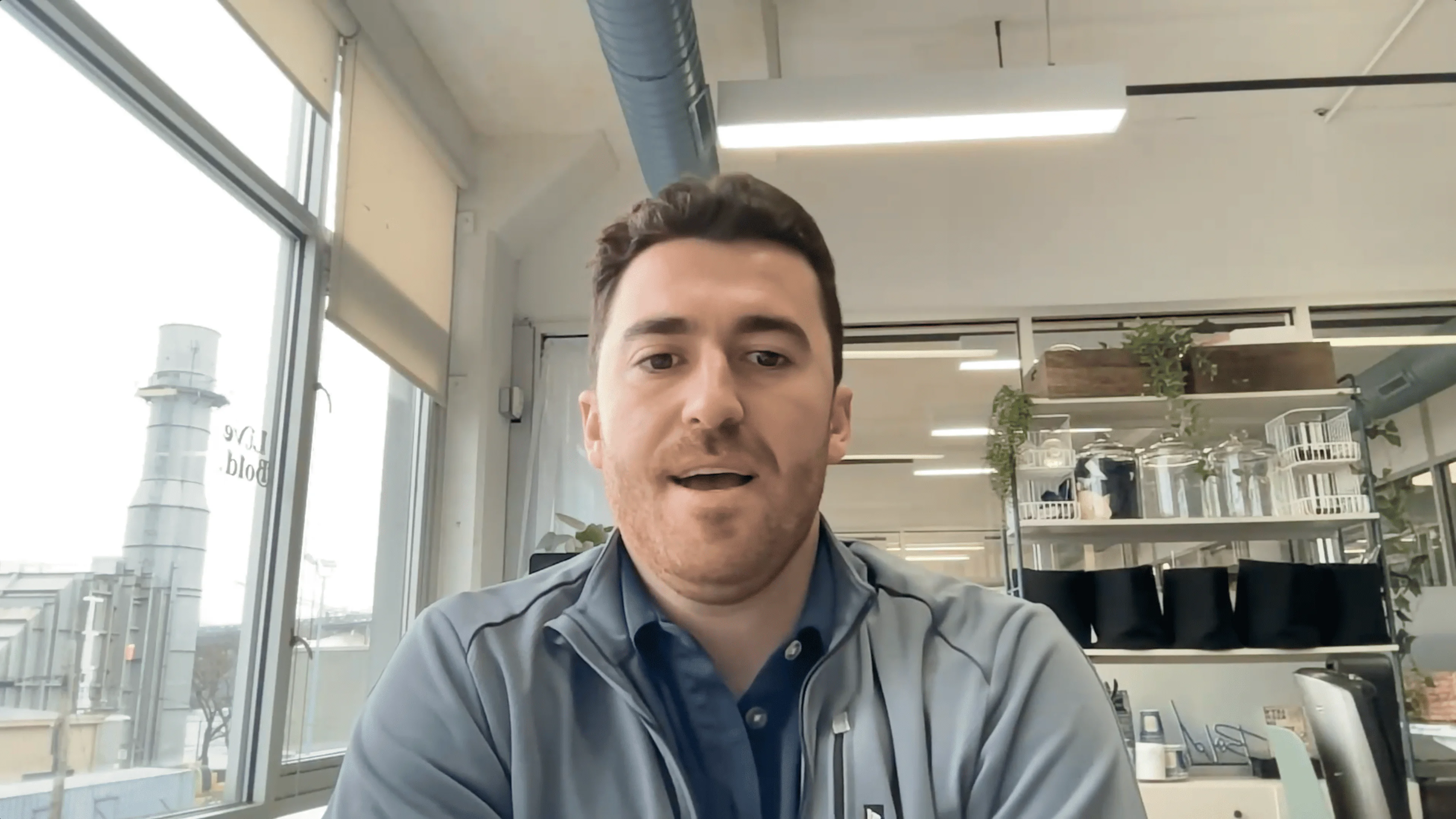













Dr. Febin Melepura, MD
Double Board-Certified Pain Specialist
Meet Dr. Febin Melepura: Your Neck Muscle Spasm Specialist in NYC
Dr. Febin Melepura, MD is a double board-certified interventional pain management specialist and the founder of the Sports Pain Institute of New York. He completed his residency and fellowship training at New York Presbyterian Hospital / Columbia University Medical Center, one of the nation's leading academic medical centers.
He holds dual board certifications from the American Board of Anesthesiology and the American Board of Pain Medicine, and has treated more than 7,500 patients and performed over 5,250 procedures throughout his career. He has been named a Top Pain Management Doctor in New York and one of America's Top Doctors™ by Castle Connolly.
Dr. Melepura's approach to neck muscle spasms is rooted in precision: identify the exact source, treat it with a targeted injection, and get you back to your daily life as quickly as possible.
1,700+ Patient Reviews

"Able to make an appointment to see Dr. Melepura on short notice… attentive to my concerns… Jazmin was also very kind and helpful."

"Excellent hospitality, listener and explainer… highly recommend the doctor and the place."
"Dr. Melepura is the best! He worked with me to find the optimal solution to my shoulder pain while I was preparing for a fight!"
"Lovely, bright and modern… doctor and staff were kind… felt my concerns were heard."
"Helpful and friendly staff who gladly follows up with you if and when needed. Dr Melepura was very helpful and professional as well as provided me with excellent information and feedback."
"Dr Febin is fantastic! Highly recommend him and his practice the Spin clinic. The doctor is a good listener, kind, attentive and gave me great advice. "
"Dr.Melepura was very efficient and interpersonal, felt like he was understanding the problems I was having and explained the processes to take to rehabilitate. I would recommend."
"I felt listened to and truly understood by Dr. Melepura. Started PT the very next day. They were very friendly and I didn't feel rushed at all. Already recommended them to my friends who have or continue to play through pain."