

Sciatica Pain Exercises: A Complete Guide for Sciatic Nerve Pain
Quick Answer
The best sciatica pain exercises depend on what is compressing the nerve. Disc-related sciatica responds to extension movements such as the press-up, piriformis syndrome responds to hip rotator stretches, and stenosis-related sciatica responds to flexion such as knee-to-chest. Nerve glides help all three. Stop any exercise that sends pain further down the leg.
Sciatica is nerve pain, not muscle pain, and that changes which exercises help. The sciatic nerve runs from the lower spine through the buttock and down the leg, and pain appears when something compresses it — most often a herniated disc, a tight piriformis muscle, or a narrowed spinal canal. Each responds to a different movement, and the exercise that relieves one can worsen another.
This guide covers evidence-based exercises for disc, piriformis and stenosis-related sciatica, organised in four progressive steps, with the movements to avoid and the point at which home exercise is no longer the answer.
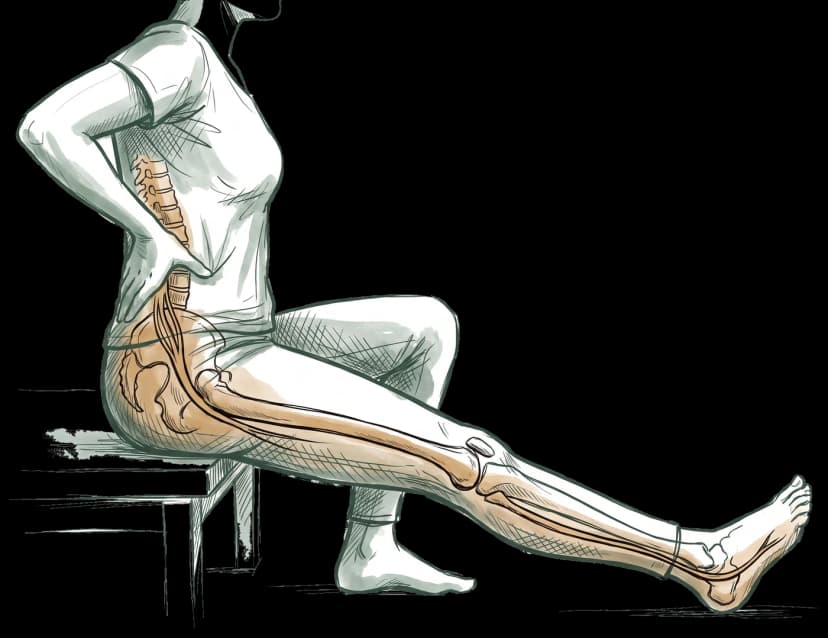
Sciatica Pain Exercises — Step by Step
Step 1: Sciatic Nerve Glides
Start here in an acute flare. Glides are not stretches — the aim is gentle repeated motion at the edge of symptoms, never a sustained pull.


Step 2: Sciatica Stretches (Safe for Every Cause)
Add these once acute pain has settled and glides are comfortable. Hold, do not bounce. Everything in this step is safe whatever is compressing the nerve — the cause-specific exercises come in Step 4.


Recommended Additions
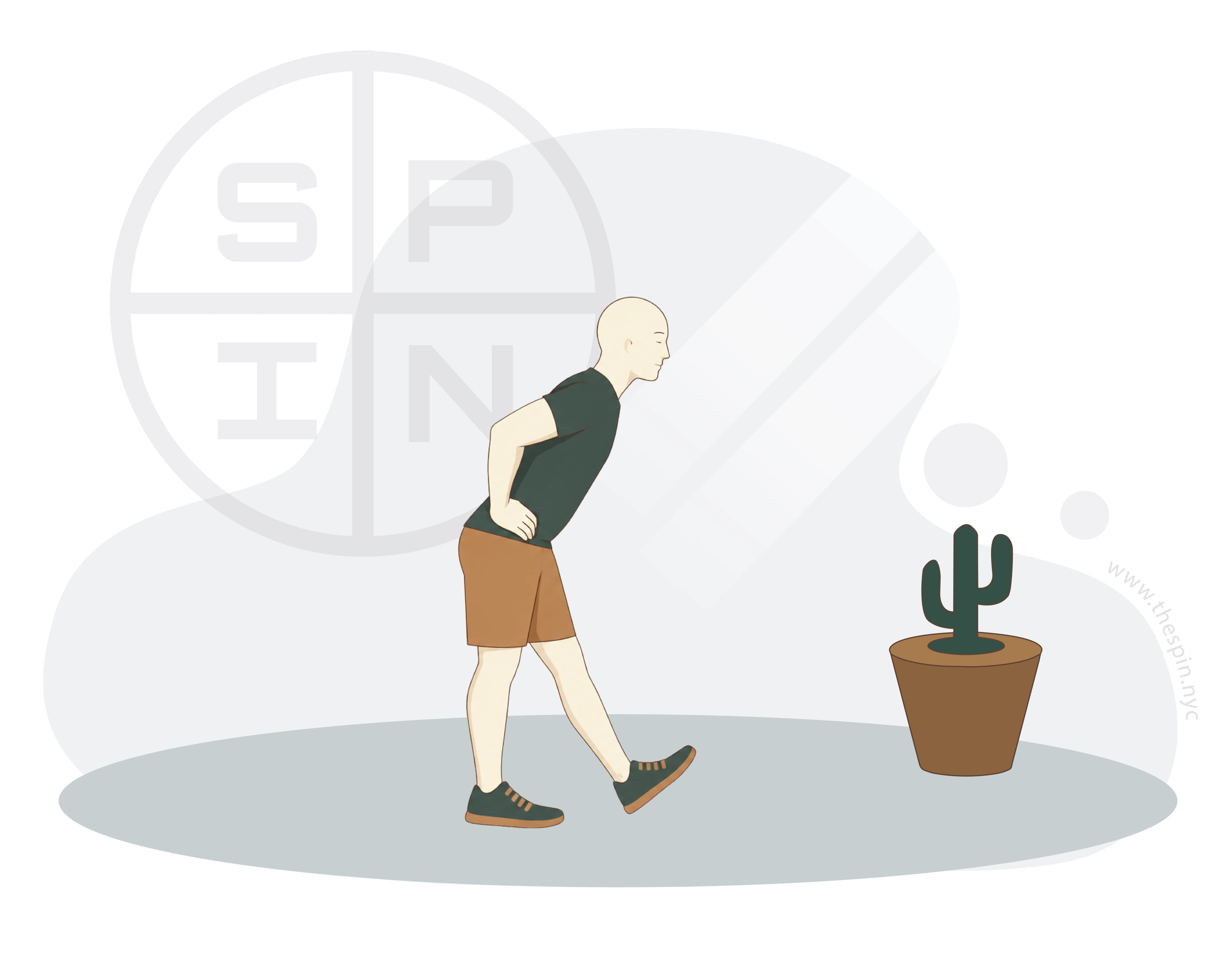
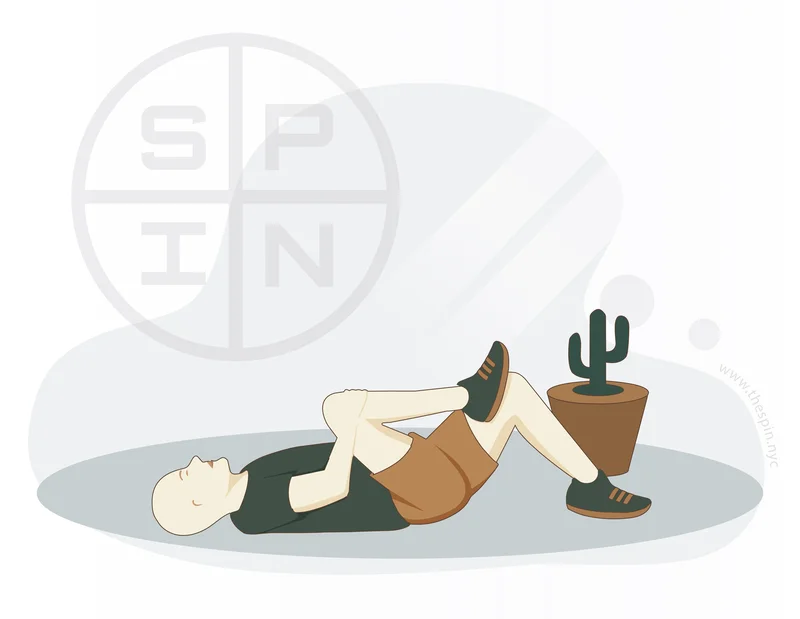
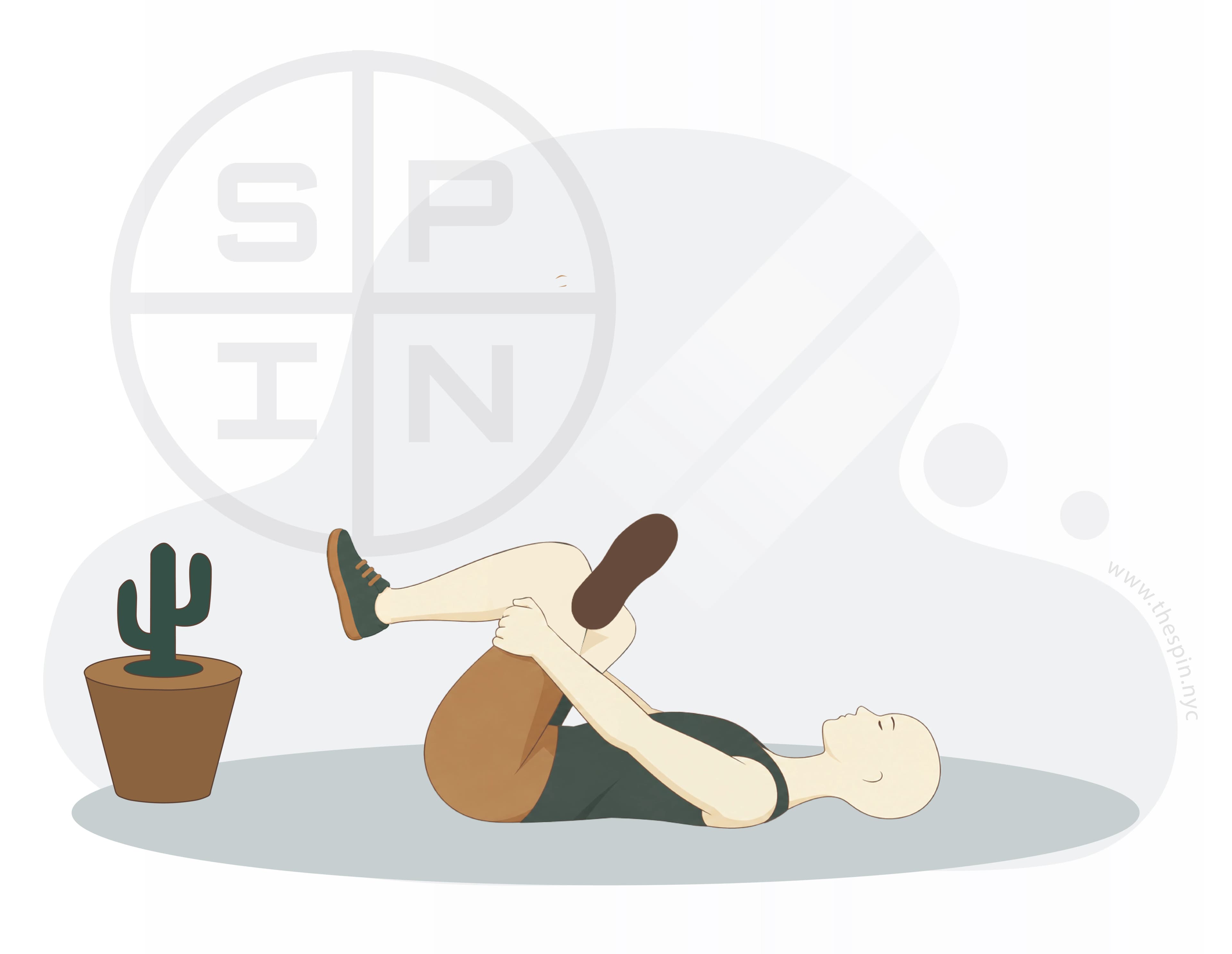
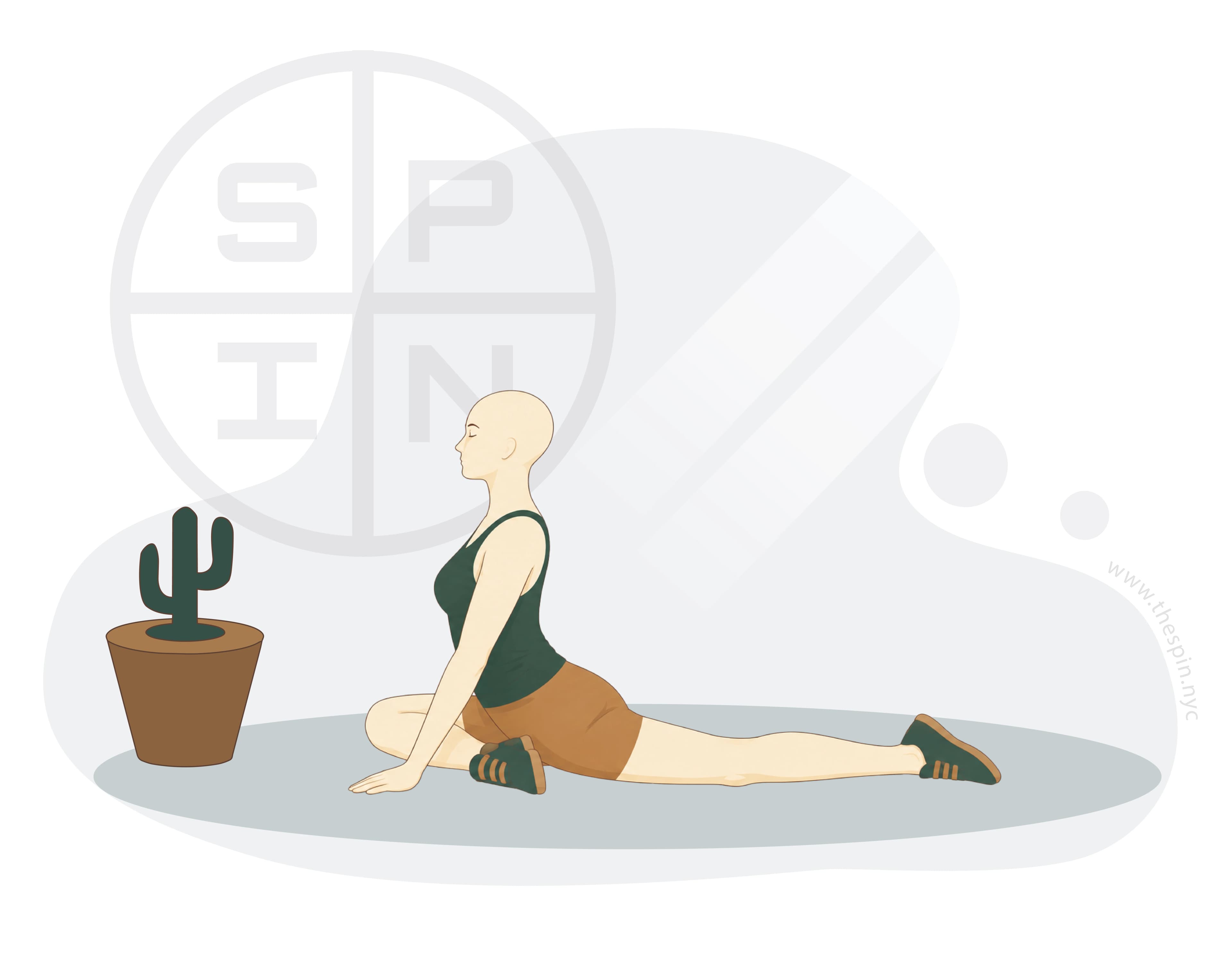
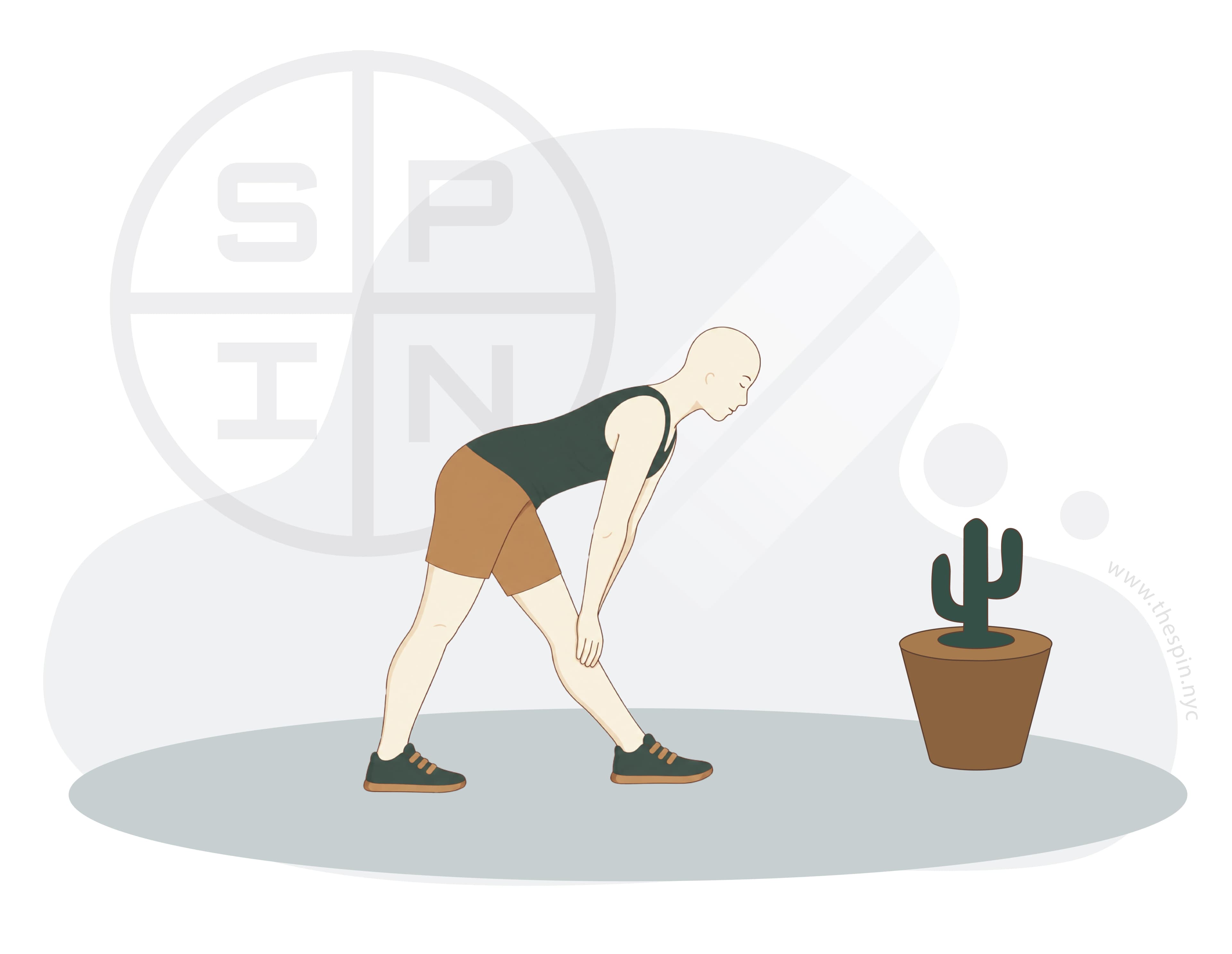
Step 3: Core & Glute Strengthening
Stretching relieves; strengthening is what stops sciatica returning. Begin this step once you can stretch without a flare.


Step 4: Exercises by Condition
Match the group to your pattern. The exercise that relieves one cause can worsen another — this is the step that separates this guide from every generic sciatica article.
Exercises for Disc-Related Sciatica
EXTENSION-biasedPattern: worse sitting, bending forward, coughing or sneezing; eased by standing or walking. Most common under 50.


Avoid
- ✕Knee-to-chest, seated forward folds, sit-ups and toe touches — flexion raises disc pressure and typically worsens disc-driven sciatica
Exercises for Piriformis Syndrome
ROTATOR-focusedPattern: deep buttock pain, worse with prolonged sitting or driving, tender mid-buttock. Pain usually stops above the knee.


Exercises for Spinal Stenosis Sciatica
FLEXION-biasedPattern: leg heaviness or cramping on walking, relieved by sitting or leaning forward. Most common over 60. The opposite of the disc group.


Avoid
- ✕Prolonged standing extension and press-ups — these narrow the spinal canal further
Why Exercise Is Essential for Sciatica Recovery
Bed rest was once standard advice for sciatica. Current evidence reverses that: prolonged rest stiffens the joints, deconditions the supporting muscles, and is associated with slower recovery and higher recurrence.
What targeted movement does for a compressed nerve:
- Reduces inflammation around the nerve root by improving local circulation
- Restores gliding — an irritated sciatic nerve adheres to surrounding tissue, and glides free it
- Unloads the compressed segment by strengthening glutes and deep core so the spine carries less shear
- Corrects the mechanics that caused the compression, which is what prevents the next episode
- Reduces central sensitisation, the amplification that turns acute sciatica into chronic sciatica
Important: these exercises suit mechanical sciatica. Progressive leg weakness, foot drop, or any change in bladder or bowel control means stop and seek medical care the same day.
Sciatica Pain Exercises for Desk Workers
Sitting is the single most aggravating position for disc-related sciatica, and NYC desk and commute patterns make this the most common presentation we see. Prolonged sitting raises lumbar disc pressure and shortens the hip flexors and piriformis.
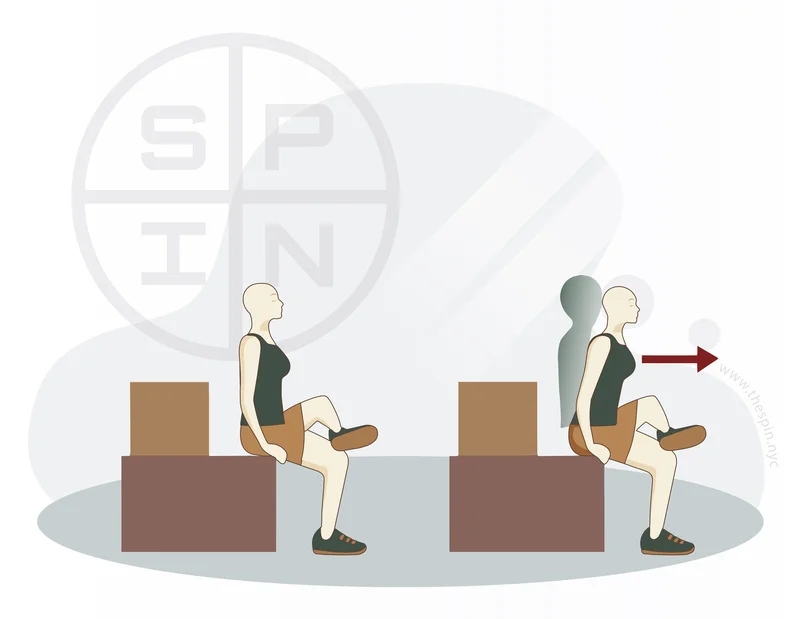
Seated Hip Rotator Stretch
Hold 15 to 20 seconds. Switch legs and repeat steps 1 through 5 on the other side | The in-chair release for a long sitting block.
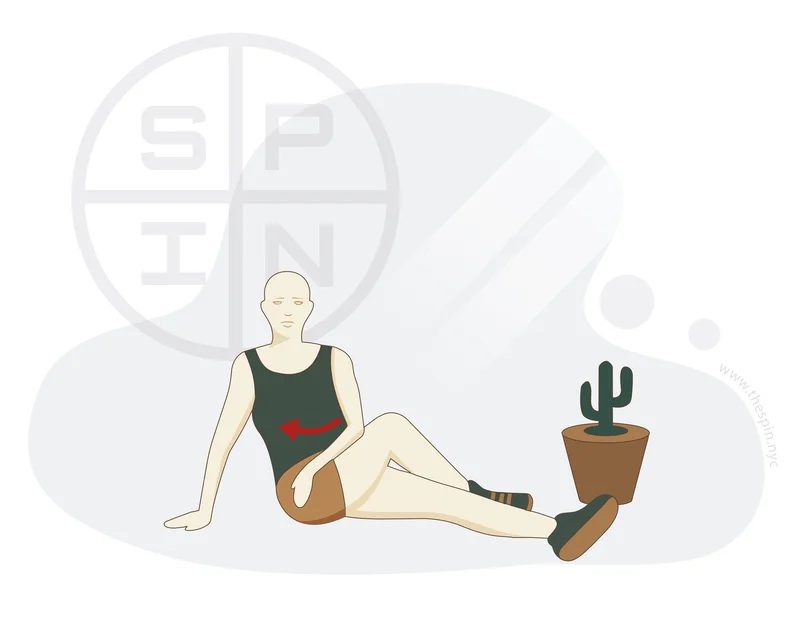
Sitting Rotation Stretch
Hold 20 to 30 seconds, repeat on the opposite side | Restores rotation lost to sustained sitting.
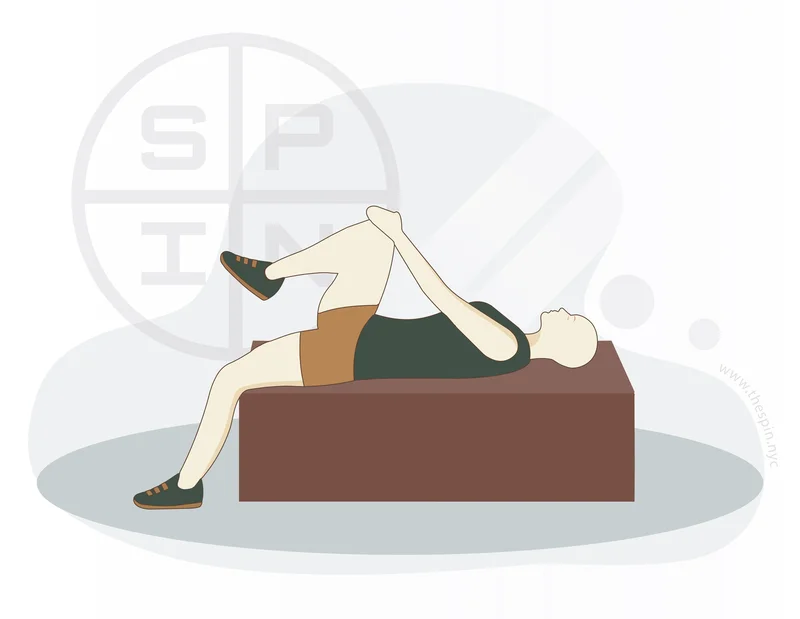
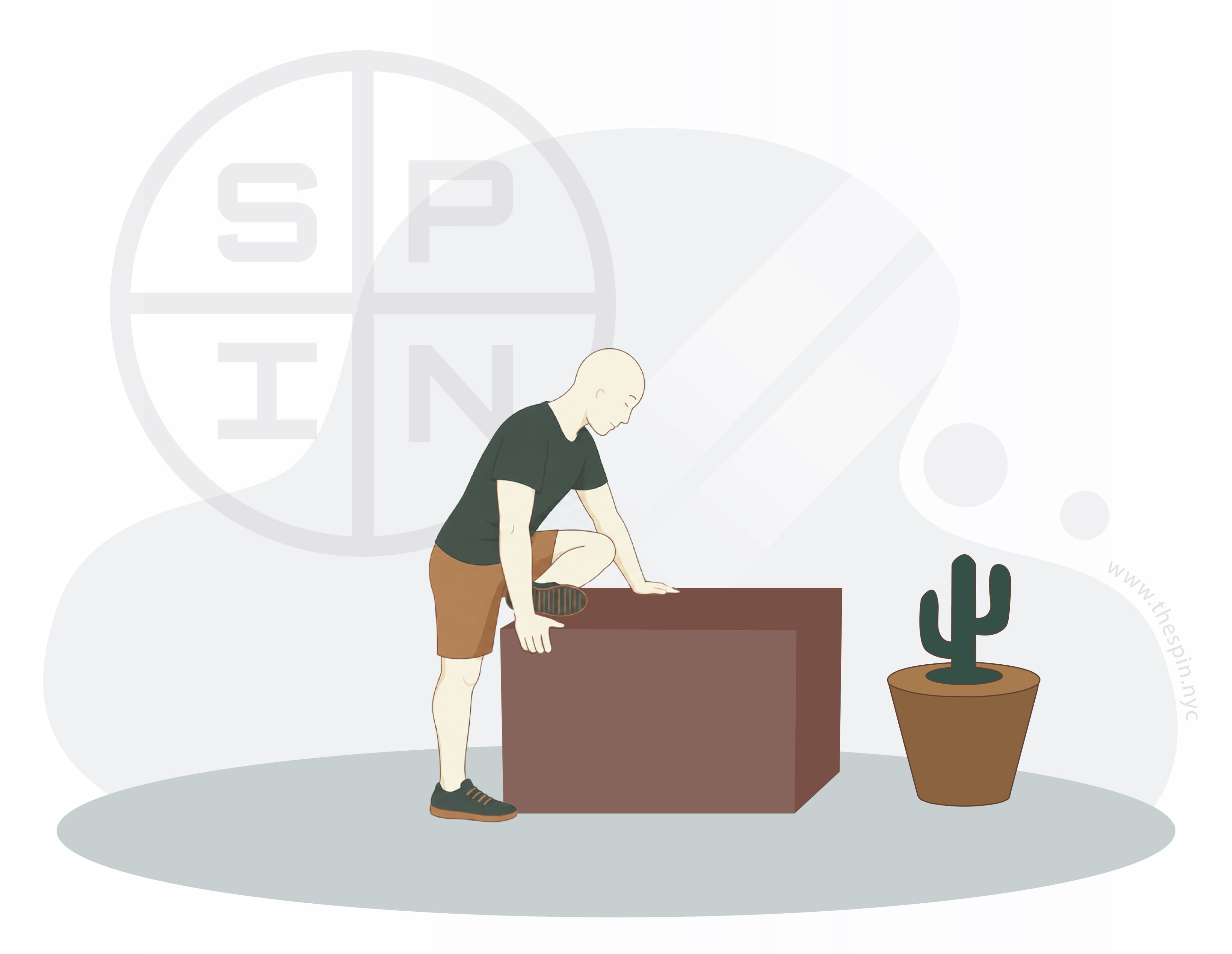
Hip Flexor Stretch (Edge of Table)
Hold 15 to 30 seconds. Switch sides and repeat step 1 through 5 | The standing variation for people who cannot kneel comfortably.
Sciatica Pain Exercises to Avoid
Some widely recommended exercises reliably make sciatica worse.
Sit-ups and crunches
Heavy lumbar flexion under load, the worst combination for disc sciatica.
Standing toe touches
Maximum disc pressure at the point the nerve is already compressed.
Double leg raises
Large shear force through the lumbar spine.
Heavy deadlifts and squats during an acute flare
Reintroduce only once symptoms centralise.
Hurdler stretches and ballistic or end-range hamstring stretching
Pulls directly on an irritated nerve. This does NOT rule out the Hamstring Wall Stretch in Step 1, which is a slow sustained hold.
Any movement that makes pain travel further down the leg
Peripheralisation — pain moving down the leg — always means stop. Centralisation — pain retreating toward the back — always means continue. This single rule overrides every other instruction on the page.
When to Exercise at Home vs When to See a Doctor
Home exercise is appropriate when pain is mild to moderate, there is no weakness, and symptoms improve week on week. Book an assessment when:
Scroll through the signs that mean it is time to see a specialist.
- 01Pain has not improved after 4 weeks of consistent exercise
- 02Leg pain is worse than back pain, or is travelling further down over time
- 03There is numbness, tingling, or weakness in the leg or foot
- 04You are catching your toe or dragging the foot when walking (possible foot drop)
- 05Pain wakes you at night or prevents sleep
- 06You cannot identify which cause pattern matches — the wrong group slows recovery
EMERGENCY:
- Loss of bladder or bowel control, or numbness in the saddle area, can indicate cauda equina syndrome. Go to an emergency department the same day.
If symptoms include leg weakness, numbness, or foot drop — or if home exercise is not working after 4 weeks — Contact Sports Pain Management NYC
Frequently Asked Questions
It depends on the cause. Disc-related sciatica responds to extension exercises such as the press-up, piriformis syndrome to hip rotator stretches, and stenosis to flexion such as knee-to-chest. Nerve glides help all three.
Exercise, within limits. Prolonged rest is associated with slower recovery. Gentle movement several times a day works better than one long session.
Most people notice a change within 2 to 4 weeks of consistent daily work. No improvement after 4 weeks means the cause should be confirmed.
Avoid sit-ups, standing toe touches, double leg raises and ballistic end-range hamstring stretching. Stop any movement that makes pain travel further down the leg.
Yes, for most mechanical sciatica. They restore the nerve's ability to slide through surrounding tissue. Symptoms should ease as you repeat them.
They can, if you use the wrong group. Flexion typically worsens disc sciatica and extension typically worsens stenosis sciatica. Matching exercise to cause prevents this.