Key Takeaways
- Many cases of sciatica improve within 4 to 6 weeks without medical treatment. More severe cases can take several months.
- When a herniated disc is the cause, it often shrinks on its own. In one review, 70% of disc extrusions and 96% of sequestrated discs got smaller over time.
- Pain that has lasted more than a month, pain that's worse when you sit, and pain that flares when you cough or sneeze are linked with a slower recovery.
- Keep moving. Long spells of sitting or lying down don't help, even when moving hurts.
- See a doctor if it isn't improving after 4 to 6 weeks, or sooner if the pain is severe or your leg feels numb or weak.
- Weakness or numbness in both legs, numbness around the genitals or anus, or new bladder or bowel problems means going to the ER.
How Long Does Sciatica Usually Last?
Usually weeks, not months. Many cases improve within four to six weeks without medical treatment, and sciatica usually gets better in a few weeks to a few months, though it can last longer.
Doctors often call sciatica acute in the first six weeks and chronic once it has gone on for more than about three months. Long-lasting sciatica isn't rare, especially when the pain is bad enough to see a doctor: in a UK study that followed 609 people who saw their family doctor with sciatica or back-related leg pain, just over half had improved meaningfully a year later, with improvement defined as at least 30% less disability.
Even severe sciatica tends to settle with time. In a Dutch trial of 283 people whose severe sciatica had already lasted 6 to 12 weeks, 95% felt they had recovered after a year, whether they had early surgery or started with non-surgical care, and about 4 in 10 of the non-surgical group went on to have surgery. Surgery got people better faster, but most ended up in the same place.
A Typical Sciatica Recovery Timeline
Every case is different, but most recoveries follow a similar shape. Use this as a rough guide, not a deadline.
| Time since the pain started | What's common | What helps |
|---|---|---|
| First 2 weeks | Sharp, shooting leg pain that sitting, bending, coughing or sneezing can set off | Keep moving in short bouts, use heat on the painful areas, and avoid long spells of sitting or lying down |
| 2 to 6 weeks | Pain easing for many people; many cases settle within 4 to 6 weeks | Build up walking and gentle exercise, and see a doctor if it's no better or getting worse |
| 6 to 12 weeks | Slower cases, often from a disc, can keep improving as the disc shrinks | A specialist exam, physical therapy, and an injection if pain is blocking your progress |
| More than 3 months | Chronic sciatica: less likely to clear on its own, but it can still improve | Pin down the exact cause, then treatment aimed at it |
Sources: Cleveland Clinic, NHS, Clinical Rehabilitation review of disc regression.
If you're three weeks in and slowly getting better, that's a normal course. If you're three weeks in and getting worse, it isn't, and it's worth getting checked.
How Long Sciatica Lasts Depends on the Cause
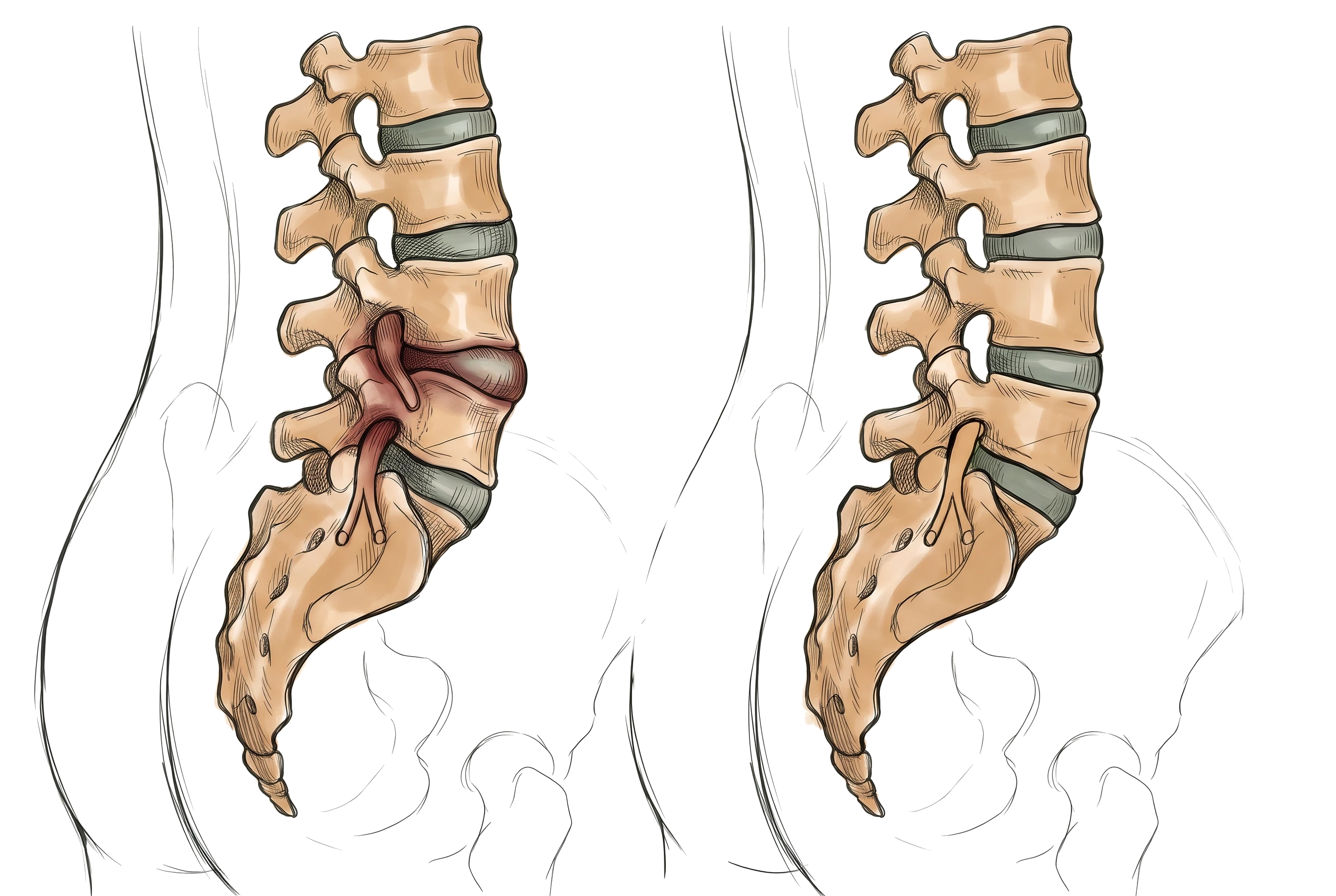
Sciatica is a symptom, not a diagnosis. Something is irritating or pressing on the sciatic nerve or one of the nerve roots that form it, and what that something is matters more to your timeline than anything else.
- Herniated disc. This is a cause that often gets better by itself, because disc material that has pushed out tends to shrink. A review of imaging studies found that 96% of sequestrated discs (where a fragment has broken off), 70% of extrusions and 41% of protrusions got smaller, compared with only 13% of simple bulges. More on herniated discs.
- Spinal stenosis. A narrowing of the spinal canal that often develops with age. It tends to be a longer-term problem that needs ongoing management rather than something that clears in a few weeks. More on spinal stenosis.
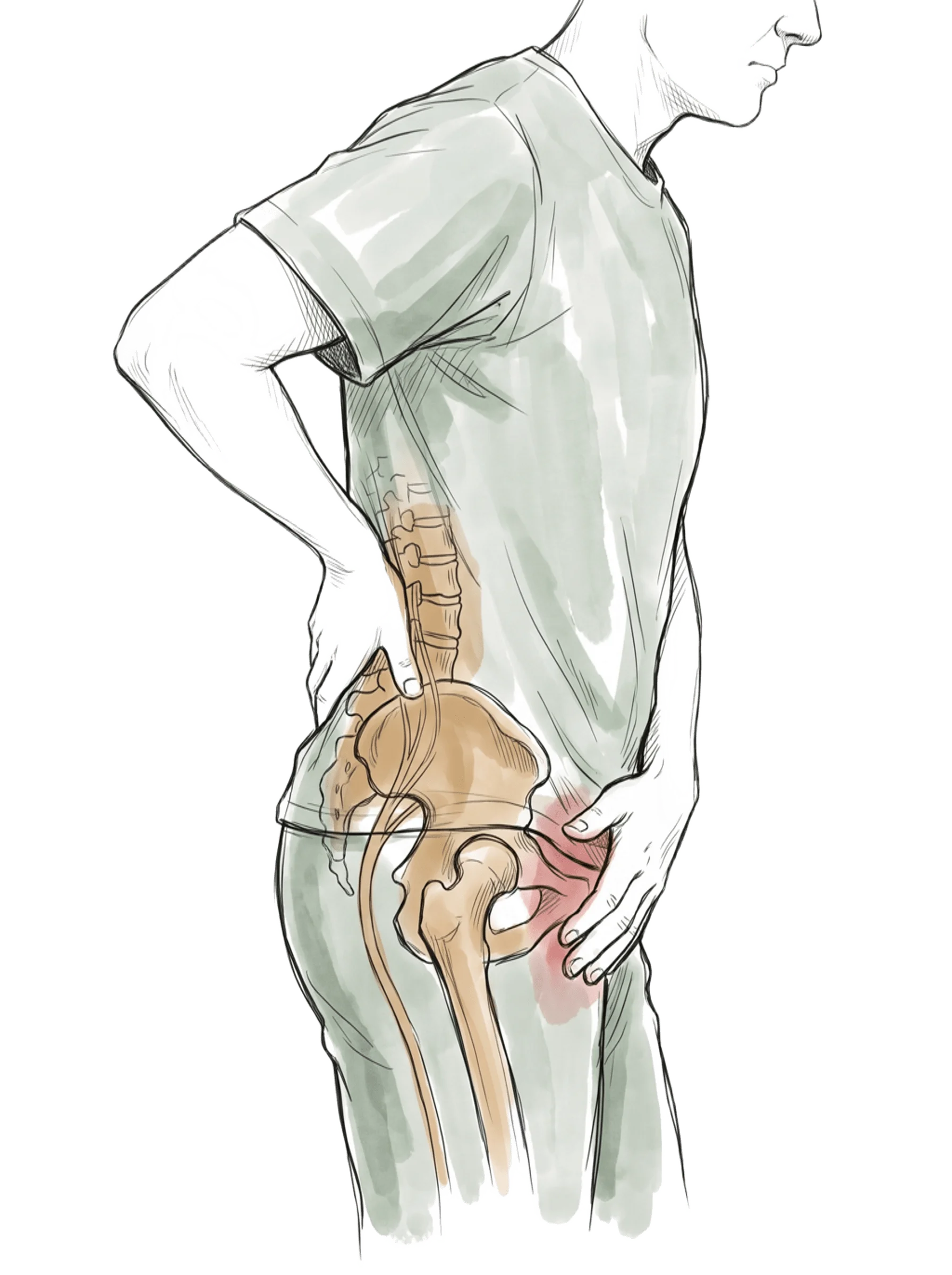
- Piriformis syndrome or SI joint problems. Piriformis syndrome irritates the sciatic nerve from a tight muscle deep in the buttock rather than from the spine, and SI joint dysfunction can send pain down the leg in a way that looks a lot like sciatica. Both need their own treatment, so they won't settle with treatment aimed at a disc.
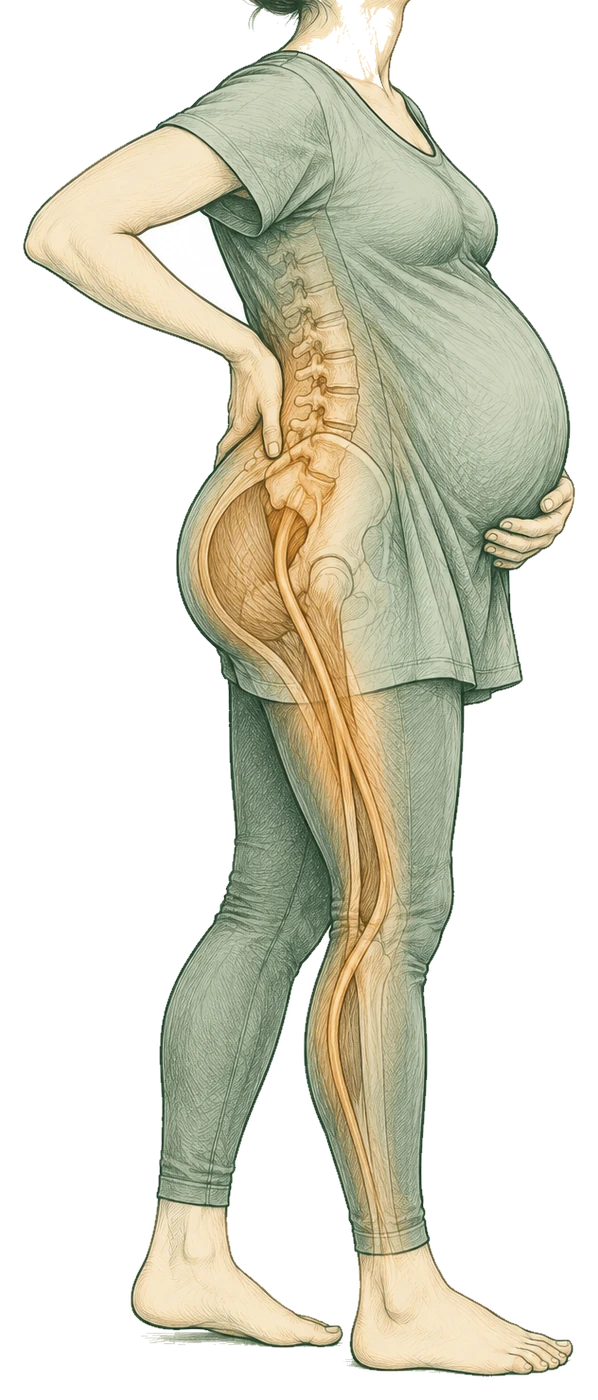
- Pregnancy. Sciatica in pregnancy often improves after birth. Our guide to sciatica during pregnancy covers what helps before and after your baby arrives.
What Makes Sciatica Last Longer
A few things are consistently linked with a slower recovery, and some of them are in your control.
- Pain that has already lasted more than a month. In a Dutch primary care study, pain lasting more than 30 days, more pain when sitting, and more pain when coughing, sneezing or straining all predicted a slower course.
- Long spells of sitting or lying down. Moving can hurt, but it isn't harmful and can help you get better faster, while sitting or lying down for long periods doesn't help.
- Expecting it to last. In a UK study of 609 patients with sciatica or back-related leg pain, people who believed their problem would last a long time were less likely to improve a year later, and so were people who had had leg pain the longest.
- Ongoing pressure on the nerve. A large disc fragment, stenosis, or a cause nobody has diagnosed yet will keep the nerve irritated until it's dealt with.
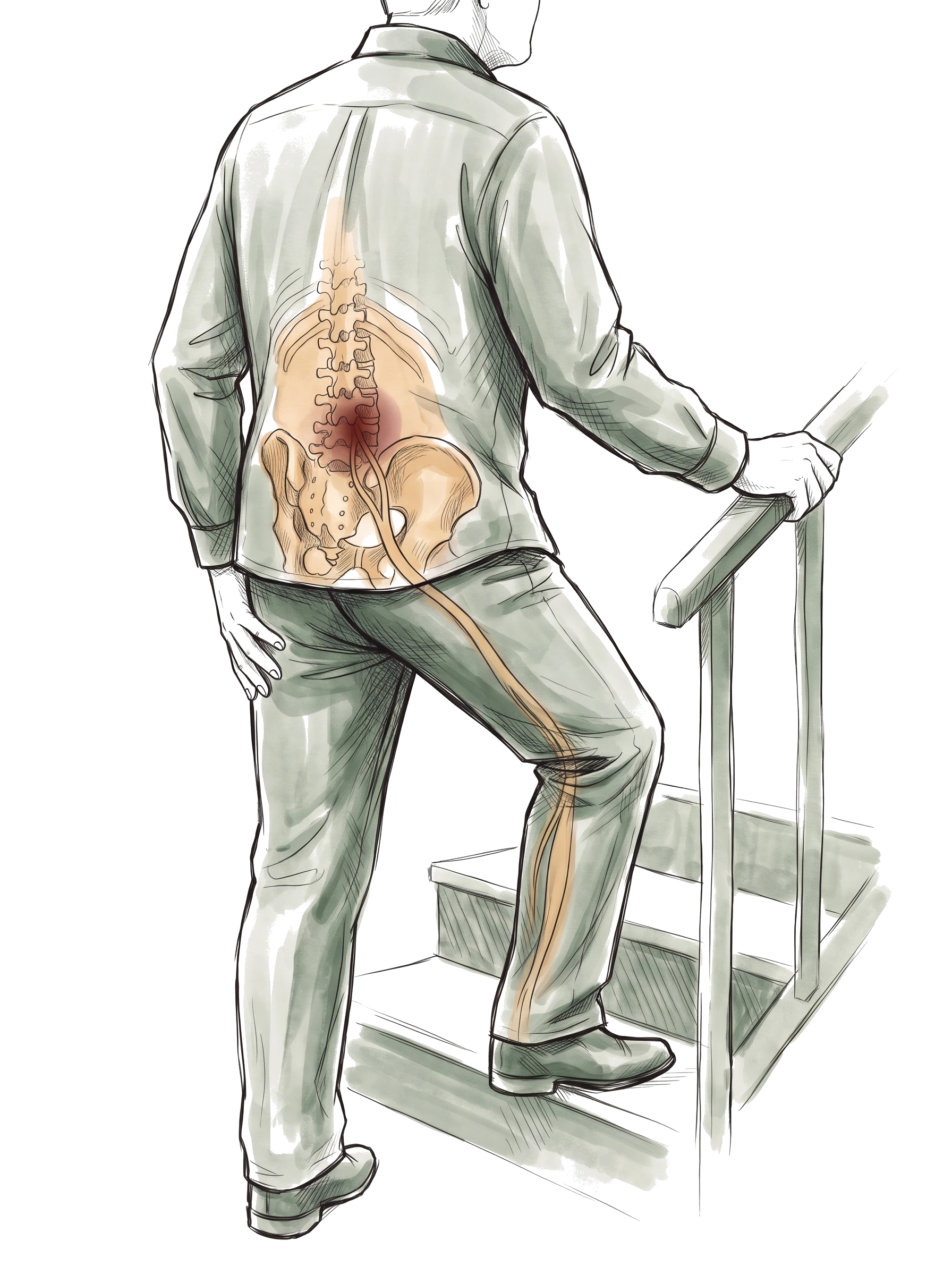
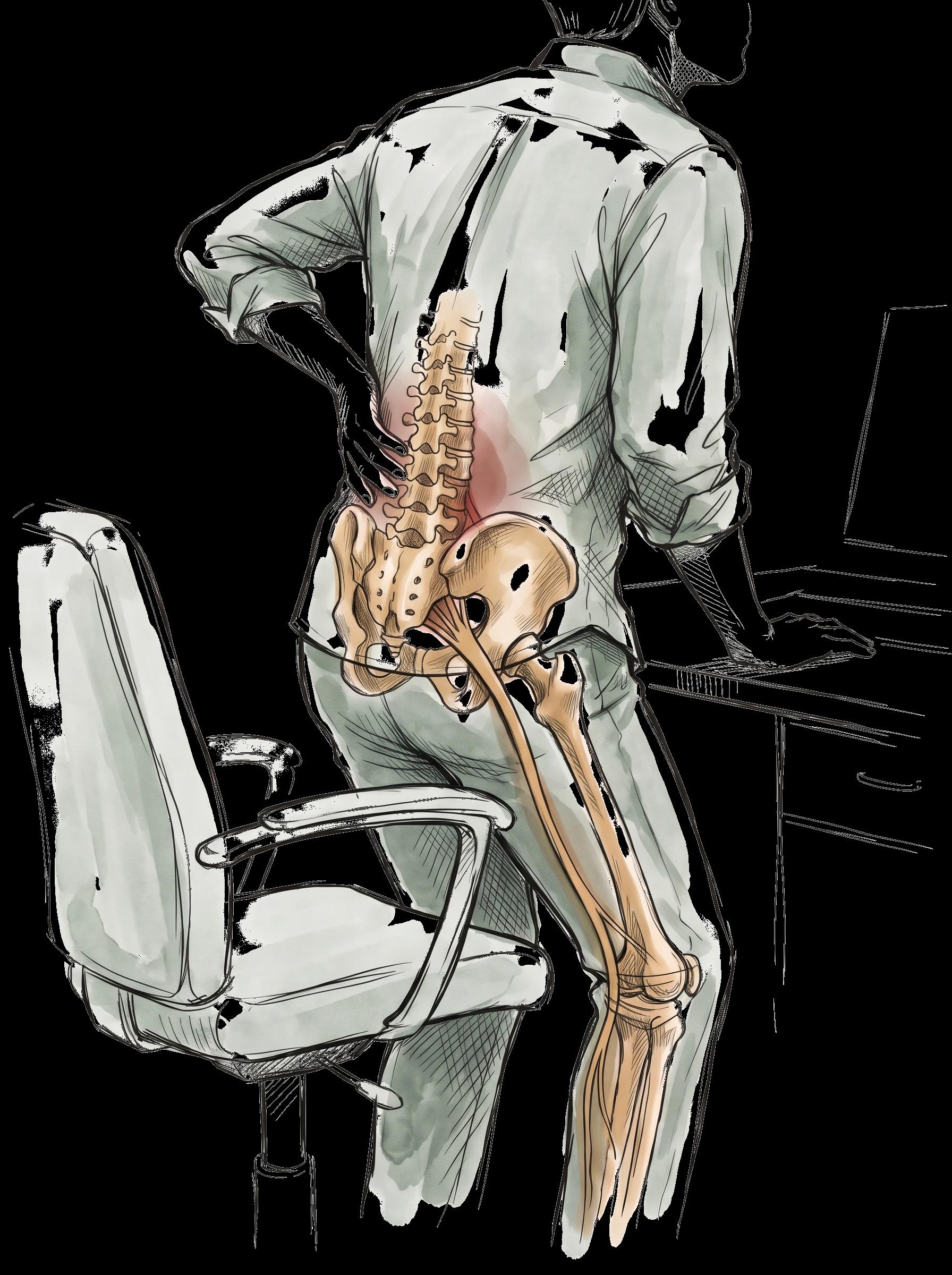
For many New Yorkers, sitting is the hard part. It's often the most aggravating position for disc-related sciatica, and a desk job plus a long subway or car commute can add up to hours in a chair. Getting up and moving regularly through the day is one of the simplest changes you can make.
Signs Your Sciatica Is Healing
Recovery is rarely a straight line, so judge it by the trend over a week or two rather than one bad morning. These are good signs:
- The pain is less intense and less constant, with longer stretches when you barely notice it.
- The pain is retreating up the leg toward your lower back instead of spreading toward your foot. This is called centralization, and a 2018 systematic review confirmed it as a positive sign for recovery in people with low back pain.
- You can sit, stand and walk for longer before it flares.
- You're sleeping better and reaching for painkillers less often.
If your leg or foot still feels numb or weak while the pain is fading, mention it to a doctor. Weakness that's getting worse is different from slow progress and should be checked promptly.
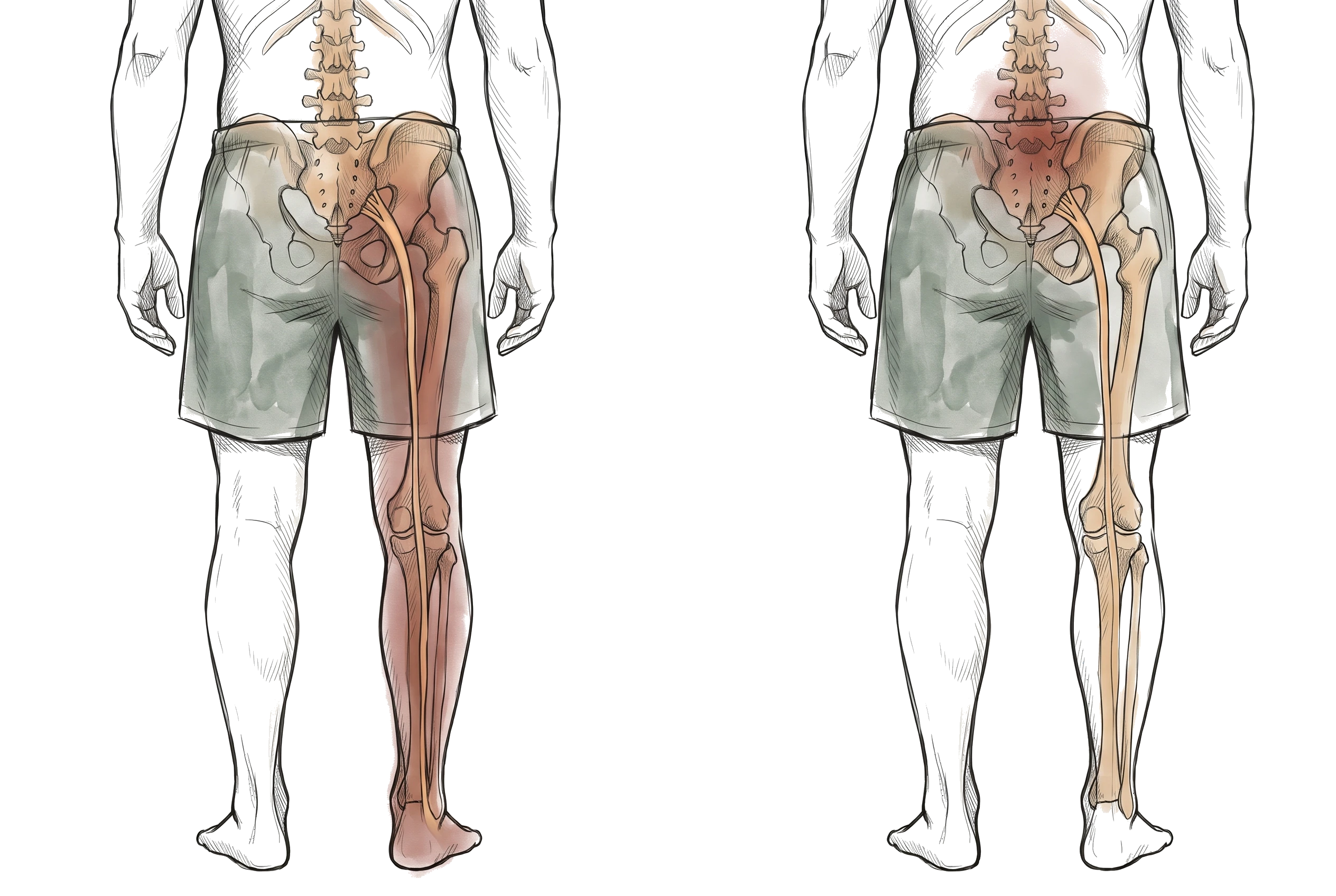
Is Sciatica Permanent?
Rarely. Most people recover without long-term problems, and permanent nerve damage happens only in rare cases.
What's more common is sciatica that comes back, since it is common for it to return after an episode clears. That doesn't mean each episode will drag on. It means it's worth treating the cause and keeping up the exercises that helped.
Sciatica that has lasted more than a few months is less likely to clear without help, but it isn't something you just have to live with. Finding the exact source, whether a disc, stenosis or a joint, opens up treatments that can still make a real difference.
How to Help Sciatica Heal Faster
Most of what speeds recovery is simple, and you can start today.
- Keep moving. Carry on with your normal activities as much as you can, and start gentle exercise as soon as you can. Short walks beat a day on the couch.
- Use heat. Heat packs on the painful areas can take the edge off.
- Do exercises matched to the cause. Our sciatica exercise guide has routines for different causes, and most people notice a change within 2 to 4 weeks of consistent daily work.
- Be realistic about painkillers. Acetaminophen (paracetamol) is unlikely to help, and it isn't clear how much NSAIDs such as ibuprofen help with sciatica, so talk to a doctor before relying on them.
If pain is stopping you from moving, treatment can get you through that stage. A lumbar epidural steroid injection delivers anti-inflammatory medicine directly around the irritated nerve root, which reduces the inflammation, relieves pain and lets you get back to moving and physical therapy. UK national guidance from NICE recommends considering an epidural injection of local anaesthetic and steroid for acute and severe sciatica.
At SPIN, most patients notice meaningful improvement within 3 to 7 days of an injection, and relief usually lasts between 3 weeks and 6 months, time to do the physical therapy that helps keep sciatica from coming back. Surgery is usually a last option: it can relieve leg pain faster, but in a Dutch trial of people with severe sciatica, outcomes after a year were much the same whether they had early surgery or not.
When to See a Doctor About Sciatica That Won't Go Away
Waiting a few weeks is reasonable if the pain is manageable and slowly improving. Make an appointment if:
- It hasn't improved after 4 to 6 weeks, or it's getting worse
- The pain is severe, or it's stopping you from working, sleeping or doing normal things
- You have numbness, tingling or weakness in your leg or foot
- It keeps coming back
Go to the ER or call 911 if you have:
- Sciatica in both legs
- Weakness or numbness in both legs that's severe or getting worse
- Numbness around or under your genitals, or around your anus
- Trouble starting to pee, not being able to pee, or not being able to control when you pee
- Not noticing when you need to have a bowel movement, or not being able to control your bowels
These can be signs of cauda equina syndrome, a rare but serious problem that needs hospital treatment as soon as possible. Don't drive yourself: ask someone to take you, or call an ambulance.
If the pain is bad enough that you can't walk, our guide to sciatica so bad you can't walk covers what to do right away and where to go.
Still hurting after 4 to 6 weeks, or getting worse?
Frequently Asked Questions
Many cases improve within 4 to 6 weeks without medical treatment, and most settle within a few months. More severe sciatica can take longer, and some people still have symptoms a year later.
Often, yes. Many cases ease within 4 to 6 weeks without treatment, and when a herniated disc is the cause, the disc frequently shrinks by itself over time.
It can, but that's the exception. Sciatica that lasts more than a few months is less likely to clear on its own, so it's worth finding the exact cause, which opens up treatments that can still help.
Pain that's less intense and less constant, pain that retreats up the leg toward the lower back, and being able to sit, walk and sleep for longer. Worsening numbness or weakness is not part of normal healing and should be checked.
SI joint dysfunction, piriformis syndrome and hip problems can all send pain into the buttock and leg. They need different treatment, which is one reason sciatica that isn't improving deserves a proper exam.
Sciatica commonly returns after an episode clears, especially if whatever irritated the nerve is still there. Staying active and keeping up the exercises that helped are the usual ways to make another flare less likely.
At SPIN, most patients notice meaningful improvement within 3 to 7 days, and relief usually lasts between 3 weeks and 6 months. The injection works best as a window to get moving and start physical therapy.
Keep moving. Long periods of sitting or lying down don't help, and gentle activity isn't harmful, even if it hurts a bit, and can help you recover faster.
Sciatica That Won't Settle? Get Answers in Midtown Manhattan
If your sciatica has hung on for more than a few weeks, you don't have to keep waiting to see whether it clears. Dr. Febin Melepura is a double board-certified pain medicine physician who treats sciatica without surgery at our Midtown Manhattan clinic, and same-day appointments are available. Book an appointment and we'll find out what's pressing on the nerve and what will help.