Key Takeaways
- Weakness or numbness in both legs, numbness around the genitals or anus, or new bladder or bowel problems means going to the ER now.
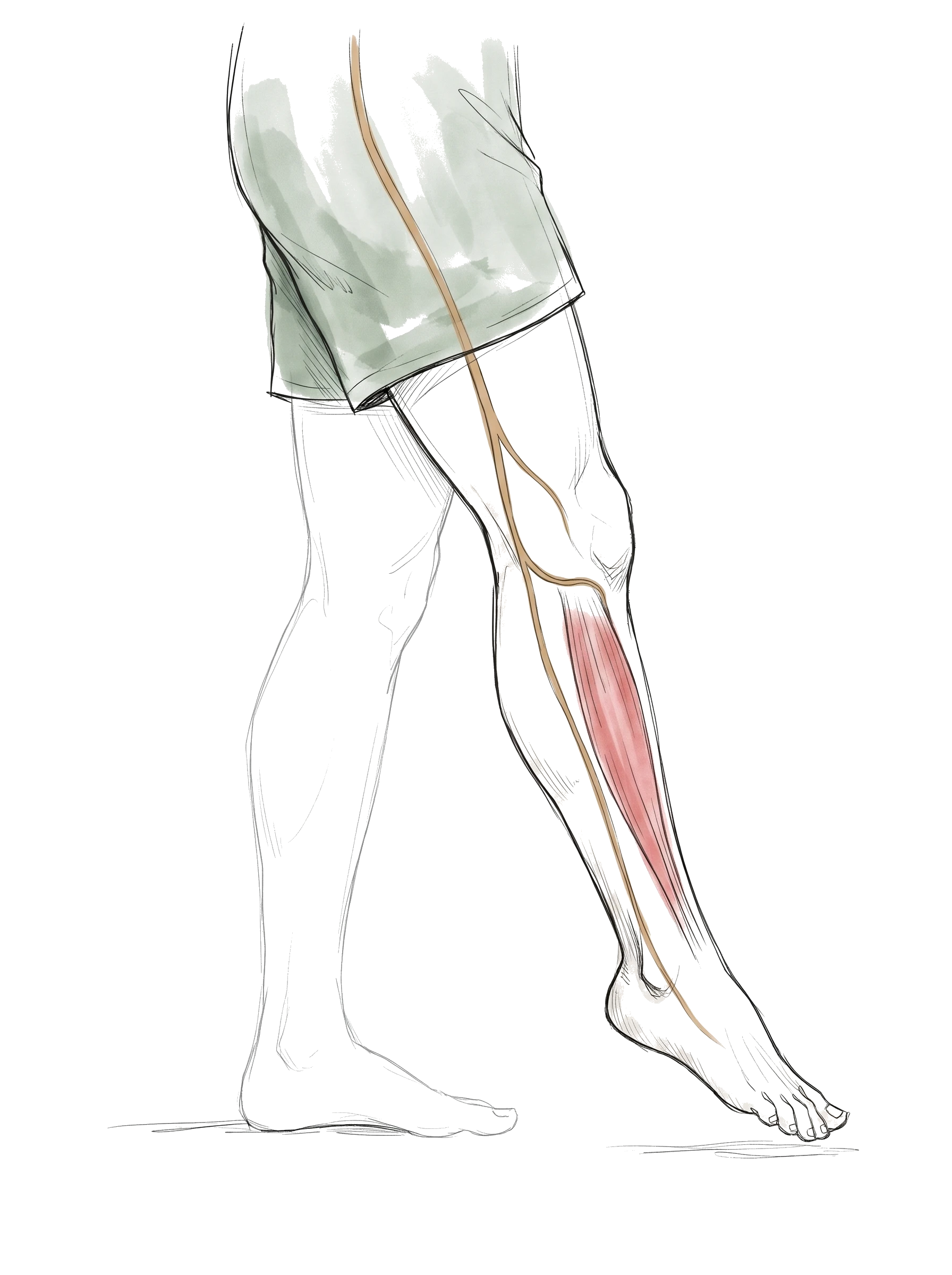
- A foot that drags or won't lift (foot drop) is a sign of nerve weakness and should be checked the same day.
- If it's pain alone, rest for a day or two at most, use heat, and move a little, often. Staying in bed longer can make pain worse and slow recovery.
- Walking is usually good for sciatica once you can manage it, and a quick return to light activity shortens how long the pain lasts.
- Legs that feel heavy or crampy when you walk and better when you sit or lean forward can point to spinal stenosis.
- Most people recover fully, and even severe sciatica often gets better without surgery.
First, Check for Emergency Signs
Before anything else, look for these. They're uncommon, but they're the reason not to wait.
Go to the ER or call 911 if you have:
- Sciatica in both legs
- Weakness or numbness in both legs that's severe or getting worse
- Numbness around or under your genitals, or around your anus
- Trouble starting to pee, not being able to pee, or not being able to control when you pee
- Not noticing when you need to have a bowel movement, or not being able to control your bowels
These can be signs of cauda equina syndrome, a rare but serious problem that needs hospital treatment as soon as possible. Don't drive yourself: ask someone to take you, or call an ambulance.
Get seen promptly, ideally the same day, if you have:
- A foot that drags, slaps down or won't lift at the front, or you keep tripping
- Weakness in one leg that's new or getting worse, or a knee that gives way
- Numbness in your leg or foot along with severe pain
Weakness matters more than pain. If a nerve is badly damaged, muscle weakness such as foot drop can follow, making it hard to lift the front of your foot when walking, and nerve weakness needs faster treatment than pain alone so it doesn't become permanent.
Why Sciatica Can Stop You From Walking
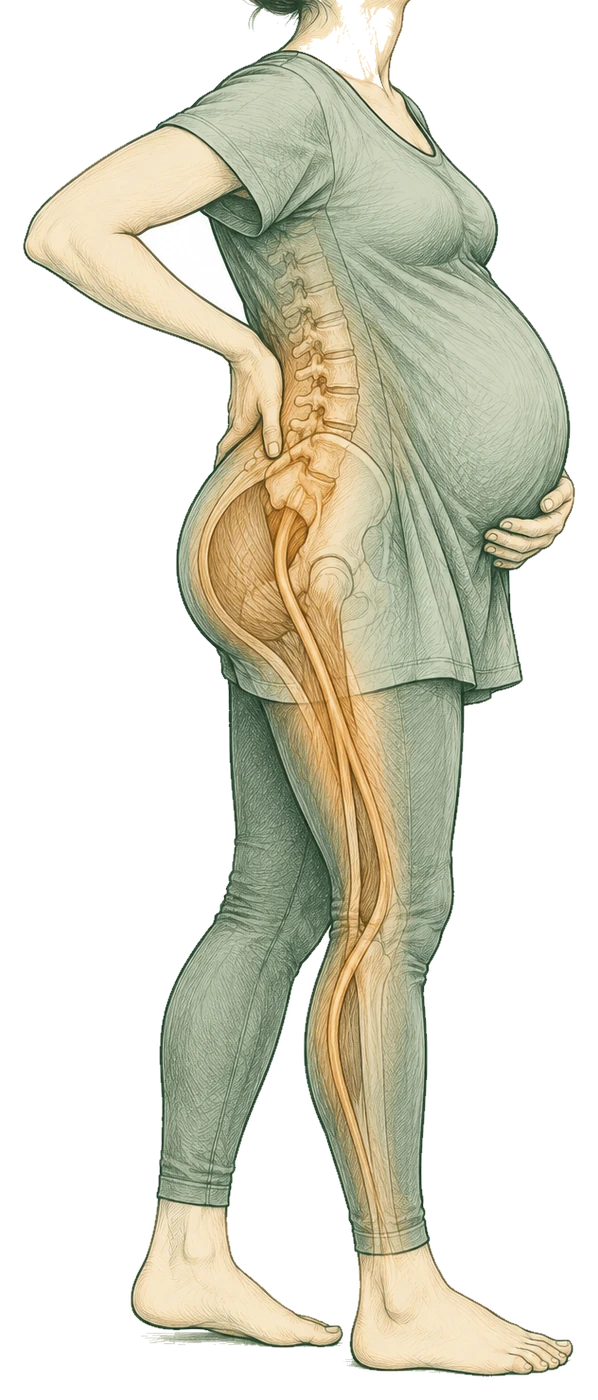
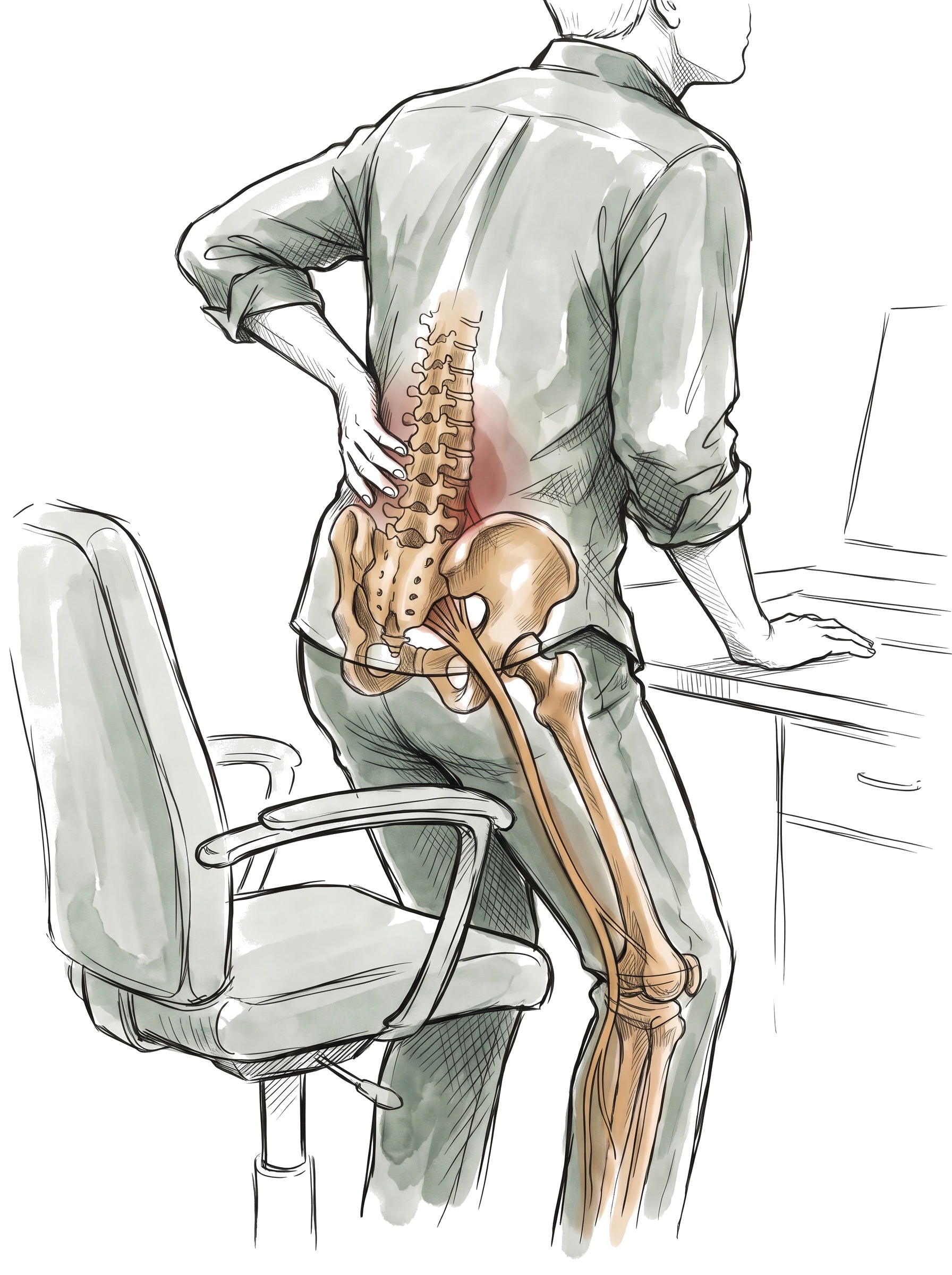
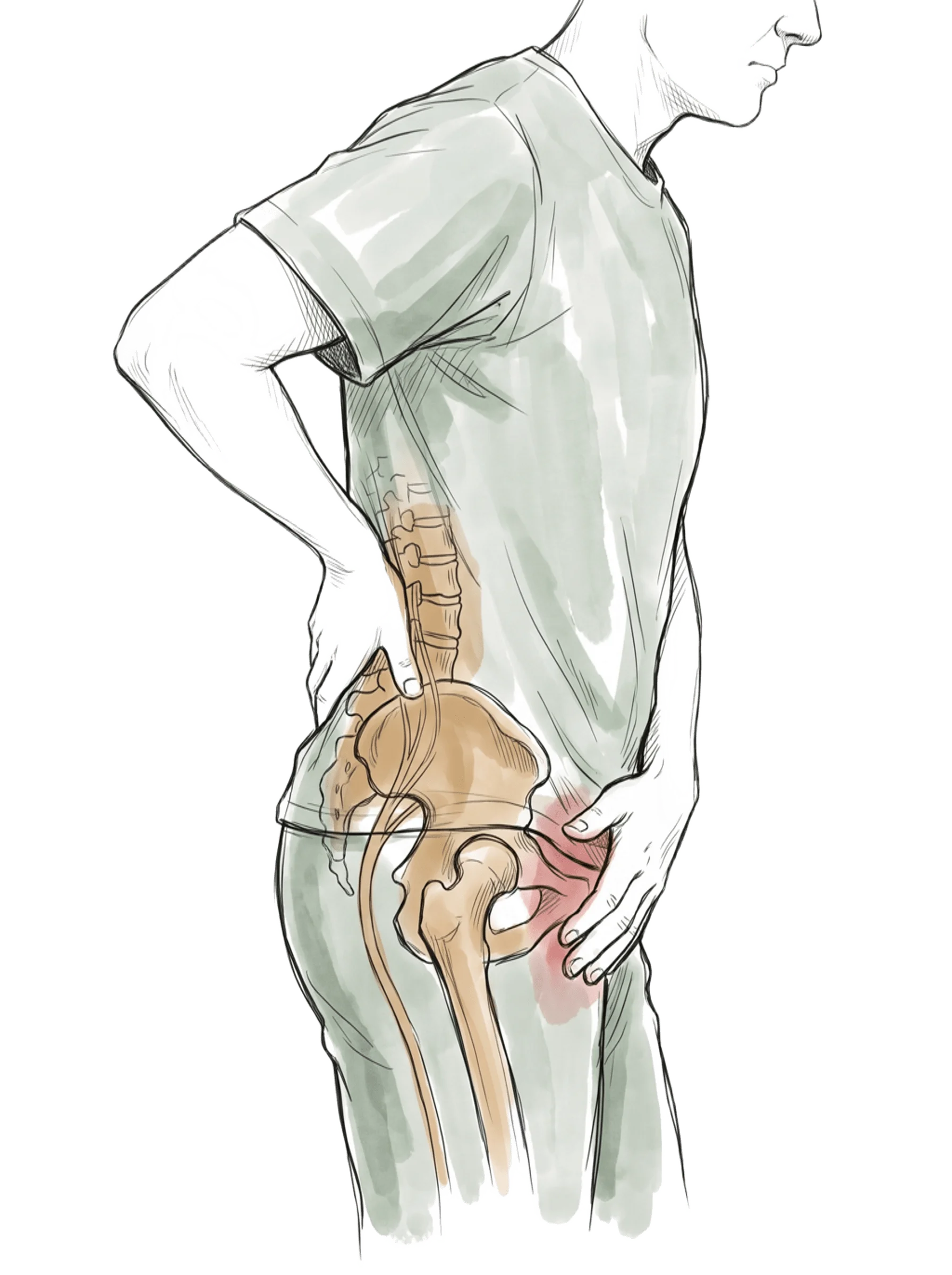
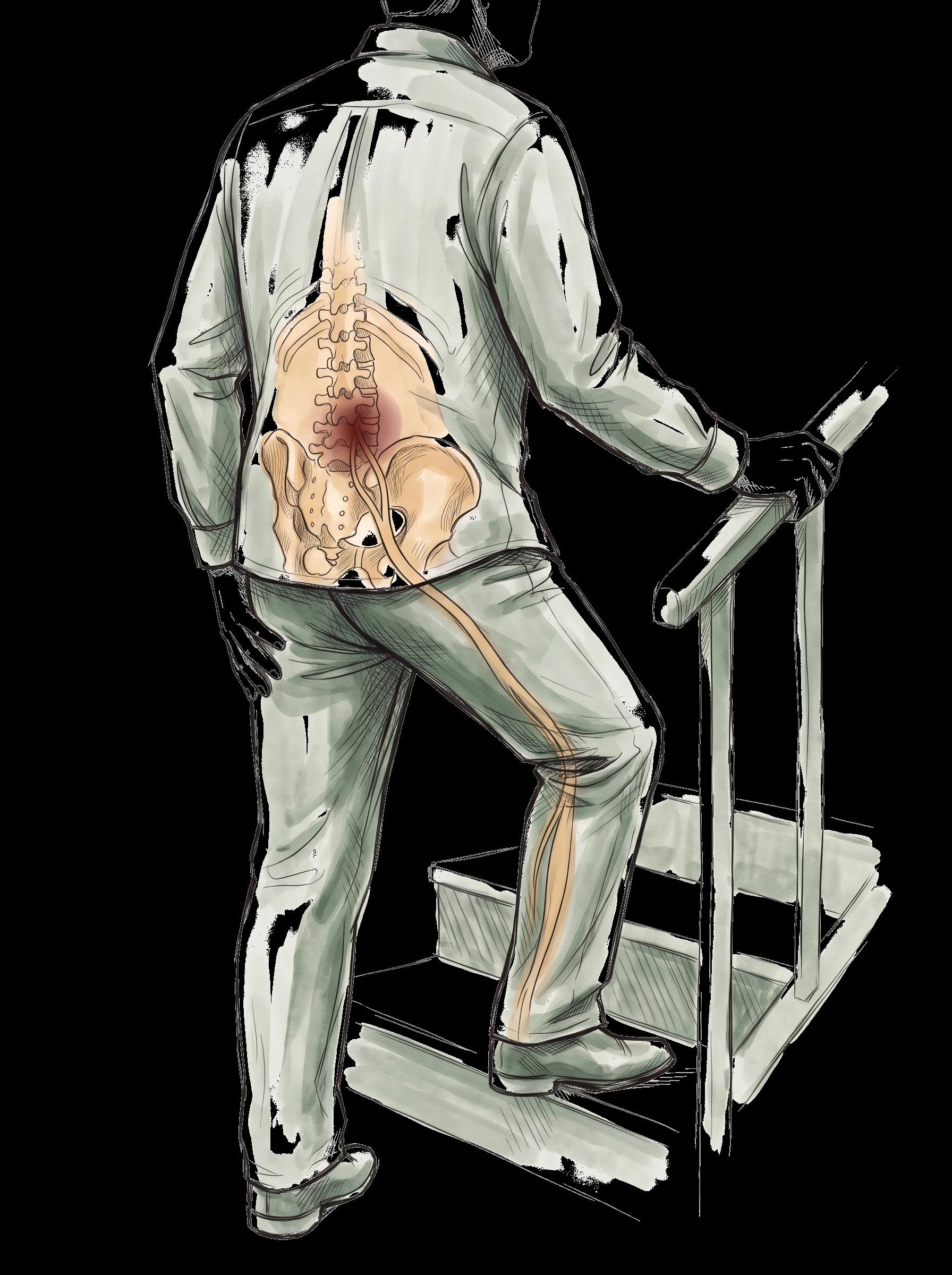
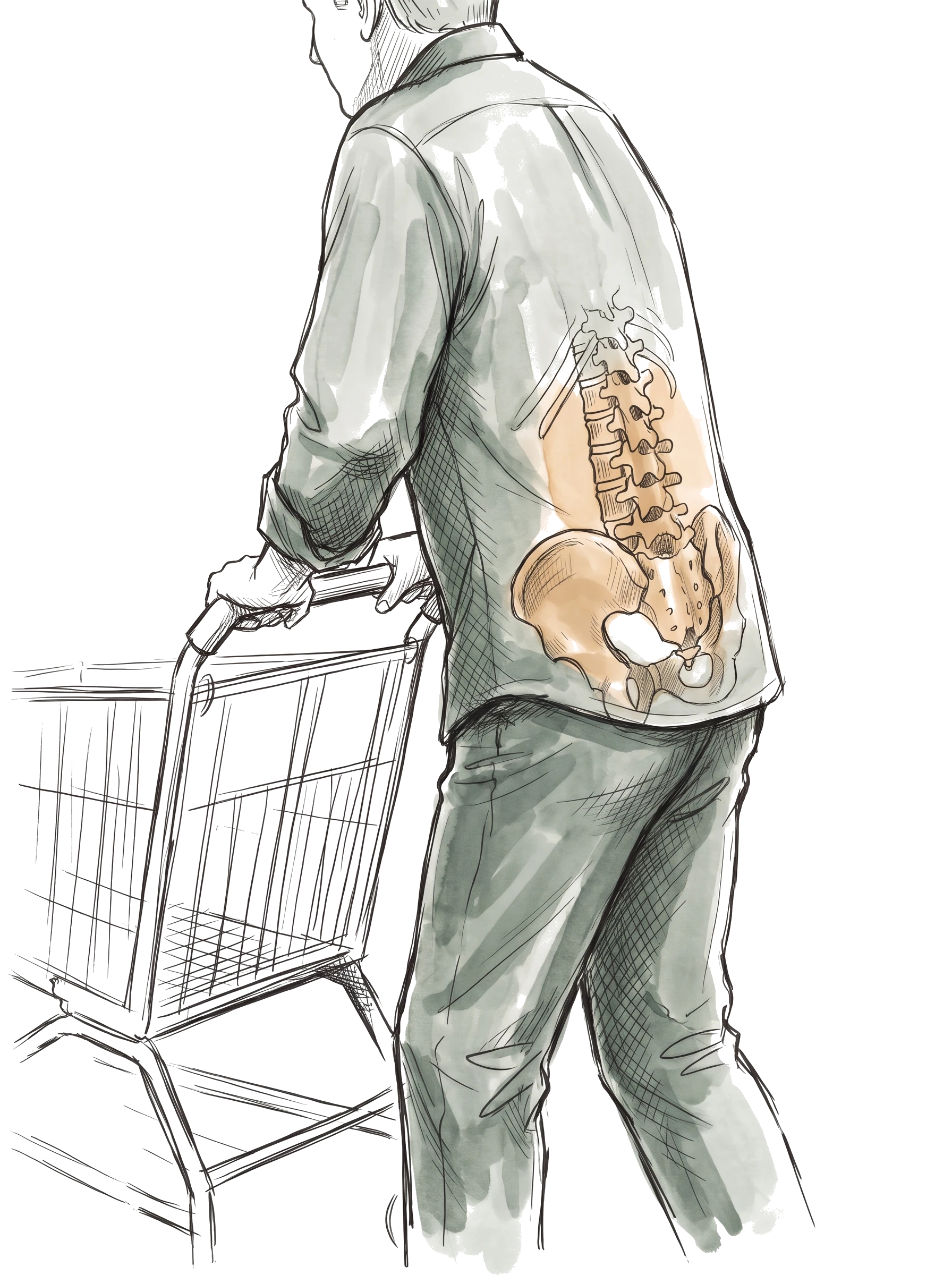
Sciatica is irritation of, or pressure on, the sciatic nerve or one of the nerve roots in your lower back that form it. There are three main ways it can take your legs out from under you, and they mean different things.
| What you notice | What it may mean | How urgent |
|---|---|---|
| Sharp, burning or electric pain down the leg that makes putting weight on it unbearable | Pain from an irritated nerve root, often from a disc | Usually not an emergency; get seen promptly if it's severe |
| Your foot drags or slaps, you trip, or your knee gives way | Nerve weakness, such as foot drop | Same day; the ER if it's getting worse fast or both legs are affected |
| One or both legs feel heavy or crampy when you walk or stand, and sitting or leaning forward helps | Spinal stenosis narrowing the space around the nerves | Not an emergency, but worth a proper diagnosis |
Sources: Cleveland Clinic on sciatica, foot drop and spinal stenosis.
Pain on its own, however bad, usually means an inflamed nerve that will calm down. Weakness and numbness mean the nerve itself isn't working properly, which is why they change how quickly you should be seen.
What to Do Right Now When Sciatica Is So Bad You Can't Walk
If none of the emergency signs apply, these steps help most people get through the worst of it.
- Rest briefly, in whatever position eases the leg pain most. Short periods of rest may help during the first day or two, but too much rest may make pain worse and slow recovery.
- Use heat. Heat packs on the painful areas can take the edge off.
- Move a little, often. A few steps around your apartment, repeated through the day, beat lying still. Moving can hurt, but it isn't harmful and can help you get better faster, and gentle movement several times a day works better than one long session.
- Be careful with painkillers. Acetaminophen (paracetamol) is unlikely to help, and it isn't clear how much NSAIDs such as ibuprofen help with sciatica. Check with a doctor or pharmacist before taking anything new.
- Book a same-day appointment. If pain is what's stopping you walking, a specialist exam and treatment can do more than waiting at home. If sitting is hard, recline the seat in the car or cab and have someone help you in and out.
Is Walking Good for Sciatica?
Usually, yes, once you can manage it. A quicker return to light aerobic activity has been shown to shorten how long sciatica pain lasts, and walking is the easiest way to get there in New York, where most errands start on foot.
Start small and build up:
- Take short walks several times a day rather than one long one
- Stick to flat ground at first, at a pace that lets you stand tall
- Stop and rest when the pain builds, then go again
- If walking is too painful, try a pool, where the water takes the weight of gravity off but lets you keep moving
Two patterns are worth knowing. If your leg pain is creeping further down the leg as you walk, or numbness or weakness is increasing, stop and get checked rather than pushing through. If standing or walking downhill makes it worse and sitting or leaning forward makes it better, that points to spinal stenosis, and walking uphill or leaning forward often eases it.
ER, Urgent Care or a Pain Specialist: Where to Go
| Your situation | Where to go |
|---|---|
| Any emergency sign: both legs, numbness around the genitals or anus, bladder or bowel changes | The ER or 911, now |
| New or worsening weakness, foot drop or falls | Be seen the same day; the ER if it's getting worse quickly |
| Severe leg pain that stops you walking, with no emergency signs | A same-day appointment with a spine or pain specialist |
| Pain that's manageable and slowly improving | Home care, and a doctor if it isn't better in 4 to 6 weeks |
So what will the ER do for severe sciatica? The team will check your strength, sensation and reflexes, ask about your bladder and bowels, and treat the pain. If no emergency signs turn up, expect pain relief and advice to follow up rather than treatment of the cause, and you won't always need an MRI.
A pain specialist can go further. At SPIN, we examine you to find which nerve root is involved, order imaging when your symptoms call for it, and most patients are candidates for a same-day consultation and can be scheduled for an injection within the same week.
Sciatica keeping you off your feet?
How Severe Sciatica Is Treated
Even when sciatica is severe, surgery is rarely the first step. The vast majority of typical sciatica can be treated nonoperatively, with physical therapy at the center once the pain allows it.
- An exam first. Treatment starts with a neurological exam to find which nerve root is involved, and an MRI when weakness or other findings call for one.
- An epidural steroid injection. A lumbar epidural steroid injection places anti-inflammatory medicine next to the irritated nerve root under live X-ray guidance. It reduces the inflammation, relieves pain and lets you start moving and physical therapy, and most patients notice meaningful improvement within 3 to 7 days. UK national guidance from NICE recommends considering an epidural injection for acute and severe sciatica.
- A selective nerve root block when one specific nerve root is the problem.
- Surgery for weakness that keeps getting worse, emergency signs, or pain that hasn't responded to other treatment. It can relieve leg pain faster, but in a Dutch trial, outcomes after a year were much the same whether people had early surgery or started with non-surgical care.
More on how we approach it on our sciatica treatment page.
Will I Be Able to Walk Normally Again?
Usually, yes. With treatment, most people recover fully, and most sciatica gets better within two to six weeks. Even in a Dutch trial of people whose severe sciatica had already lasted 6 to 12 weeks, 95% felt they had recovered after a year.
Weakness needs more care. Foot drop from an inflamed nerve can go away on its own once the nerve heals, but in rare cases nerve damage may be permanent, which is why new or worsening weakness should never be left to see if it settles. For the fuller picture, see our guide to how long sciatica lasts.
Frequently Asked Questions
First check for emergency signs: weakness or numbness in both legs, numbness around the genitals or anus, or new bladder or bowel problems mean going to the ER. If it's pain alone, rest briefly, use heat, move a little and often, and book a same-day appointment with a spine or pain specialist.
Go to the ER for sciatica in both legs, numbness around the genitals or anus, new bladder or bowel problems, or weakness that's severe or getting worse. Severe pain without those signs is usually better handled by a same-day appointment with a specialist.
The ER team will check your strength, sensation and reflexes, ask about your bladder and bowels, and treat the pain. If no emergency signs are found, you can usually expect pain relief and advice to follow up with a doctor rather than treatment of the cause.
Usually, yes. A quick return to light activity like walking shortens how long sciatica pain lasts, so start with short walks on flat ground several times a day and build up as it eases.
Neither for long. Short periods of rest can help in the first day or two, but too much rest can make pain worse, so get up and move gently several times a day.
If your legs feel heavy or crampy when you walk and better when you sit or lean forward, spinal stenosis is a likely cause. If the pain spreads further down the leg or you notice numbness or weakness, get it checked.
Rarely. Most people recover fully, though in rare cases nerve damage is permanent, which is why new or worsening leg weakness or foot drop should be checked promptly.
Most sciatica improves within two to six weeks, though severe cases can take longer. In one trial of people with severe sciatica, 95% felt they had recovered within a year.
Sciatica Keeping You Off Your Feet? Get Help in Midtown Manhattan
If sciatica is keeping you off your feet, you don't have to wait it out at home. Dr. Febin Melepura is a double board-certified pain medicine physician who treats severe sciatica without surgery at our Midtown Manhattan clinic, and same-day appointments are available. Book an appointment and we'll work out what's pressing on the nerve and how to get you walking comfortably again.