

Knee Pain Exercises: 30 Exercises for Arthritis, Runner's Knee and Post-Workout Pain
Quick Answer
The best exercises for knee pain are straight leg raises, quad sets, hip bridges, clamshells, and wall sits - targeting the quads, glutes, and hip muscles that support and offload the knee joint. Start within 24-48 hours for acute pain; immediately for chronic conditions. Avoid deep squats, high-impact activities, and any exercise that causes pain during the movement.
Knee pain affects roughly 1 in 4 adults and is among the most common reasons people visit sports medicine clinics. Unlike rest - which weakens the surrounding muscles and makes pain worse over time - targeted exercise rebuilds the quad, glute, and hip strength the knee depends on entirely for stability and shock absorption.
This guide covers 30 evidence-based exercises in 4 progressive steps, with separate programmes for arthritis, runner's knee, IT band syndrome, and post-workout soreness. Work through the steps in order, or jump directly to the condition section that applies to you.
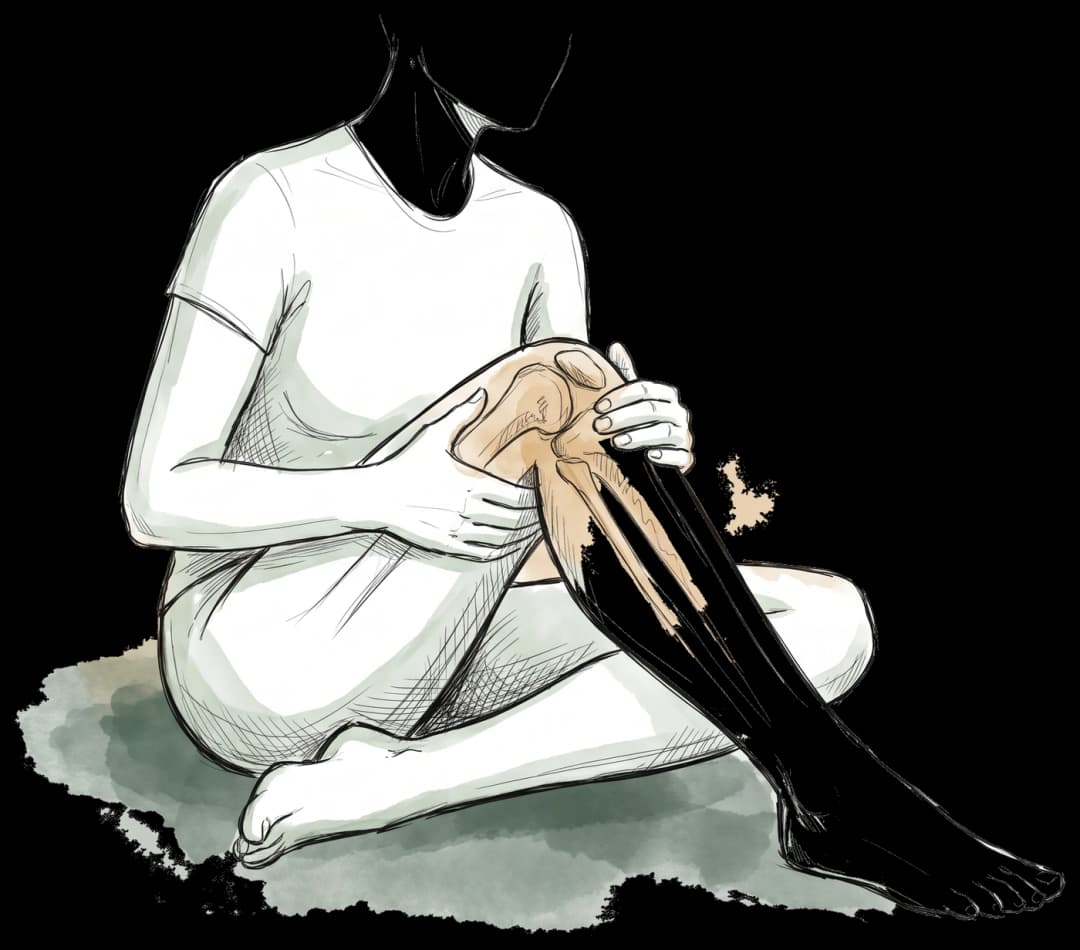
The Best Exercises for Knee Pain - Our Full Library
Organised by load level - from zero-impact isometric holds through to single-leg functional movements. Each linked exercise has a full guided page with images, reps, and step-by-step instructions.
Stretching & Flexibility
All stretches that directly reduce knee joint stress and improve flexibility around the knee joint.


Strengthening Exercises
Ordered from lowest to highest knee load - start at the top and progress as your pain allows.
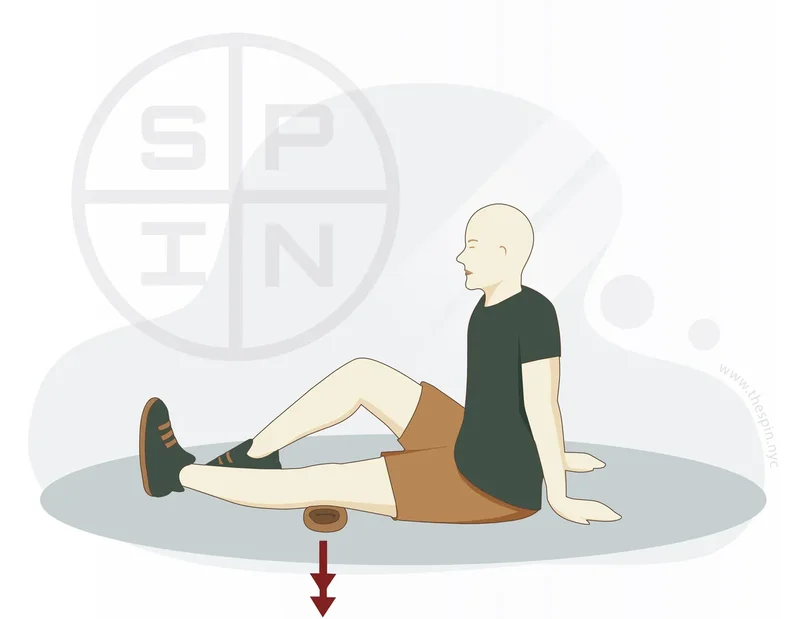
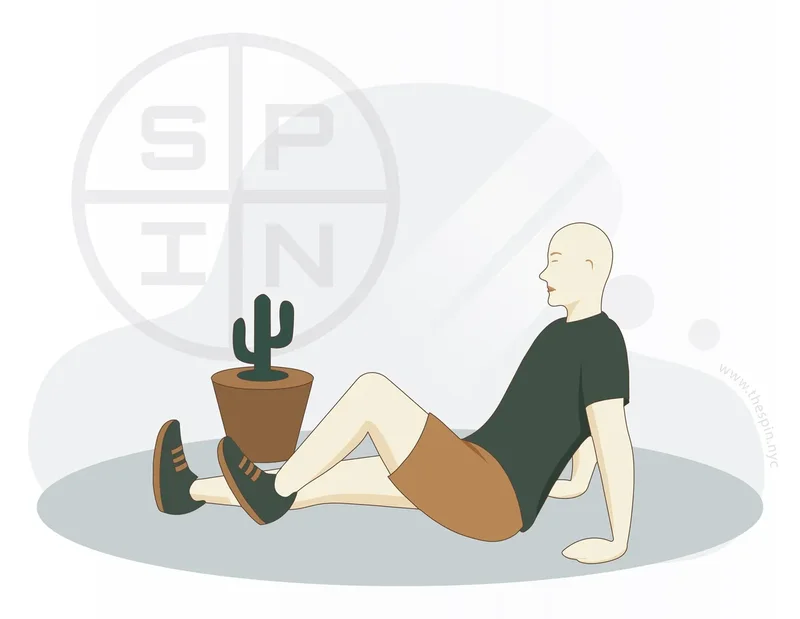
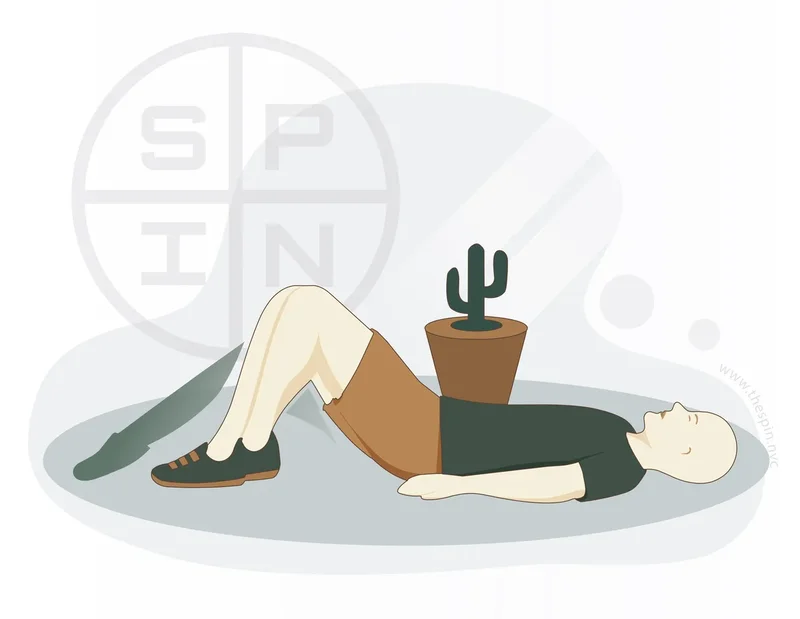
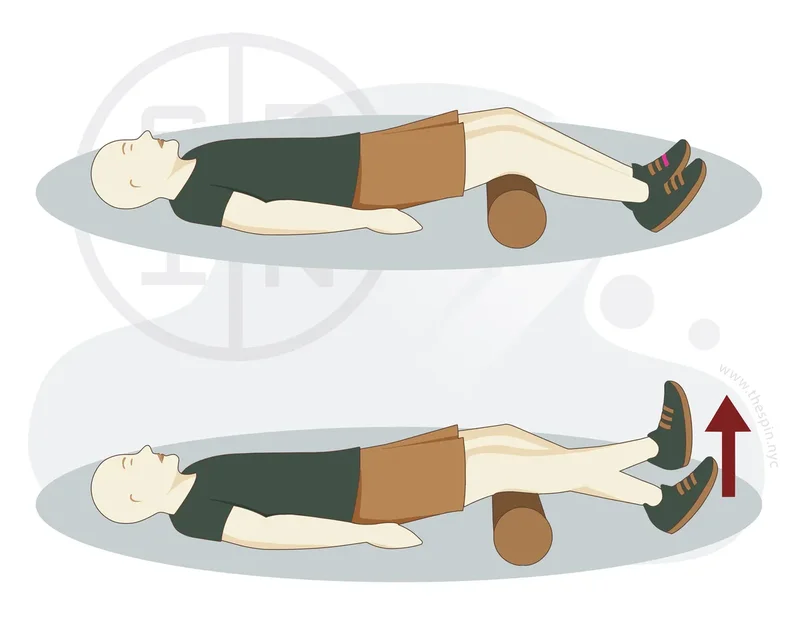
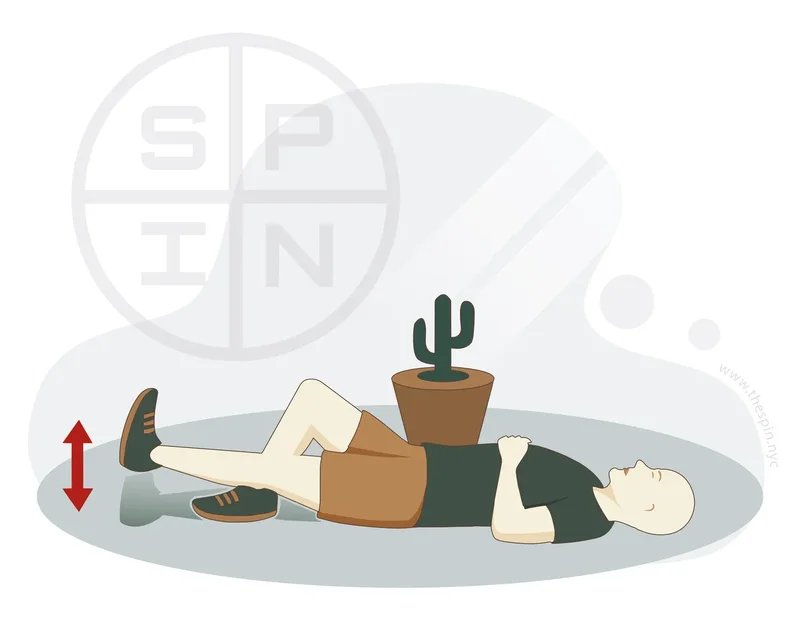
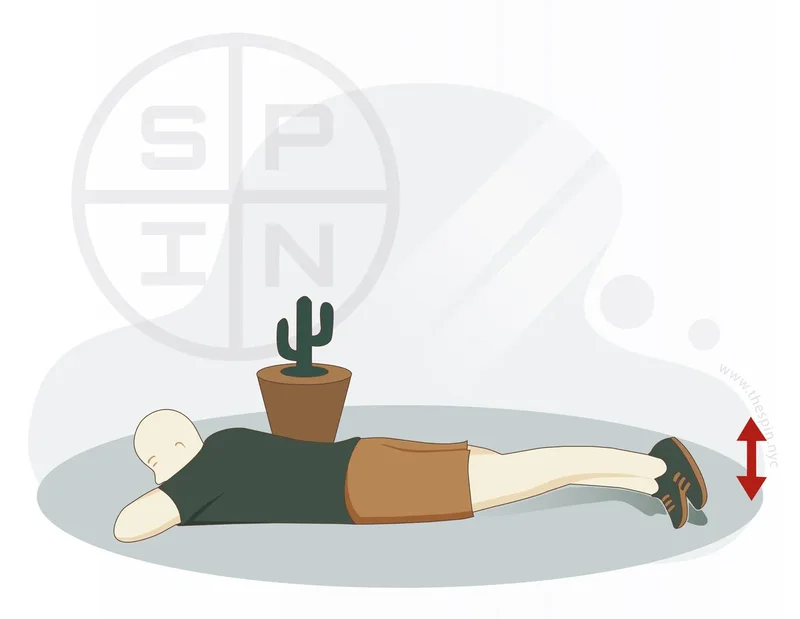
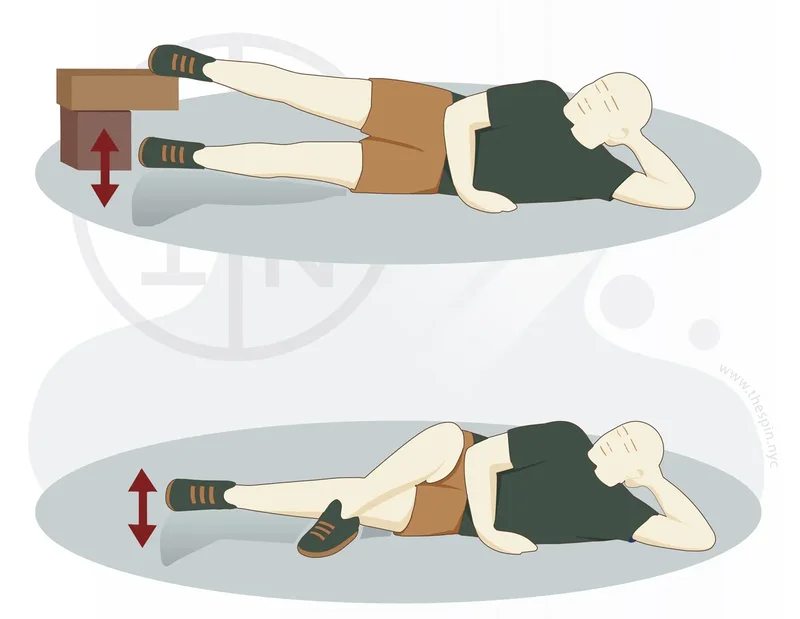
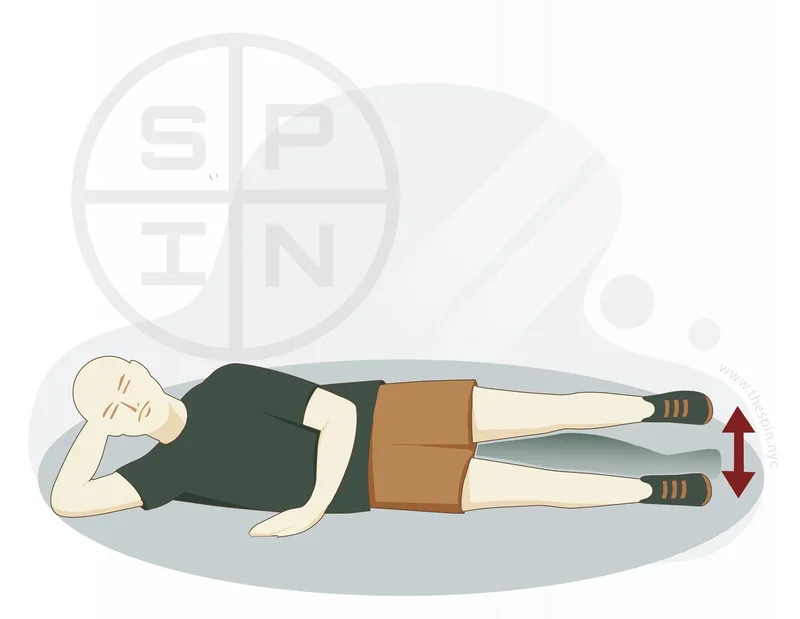
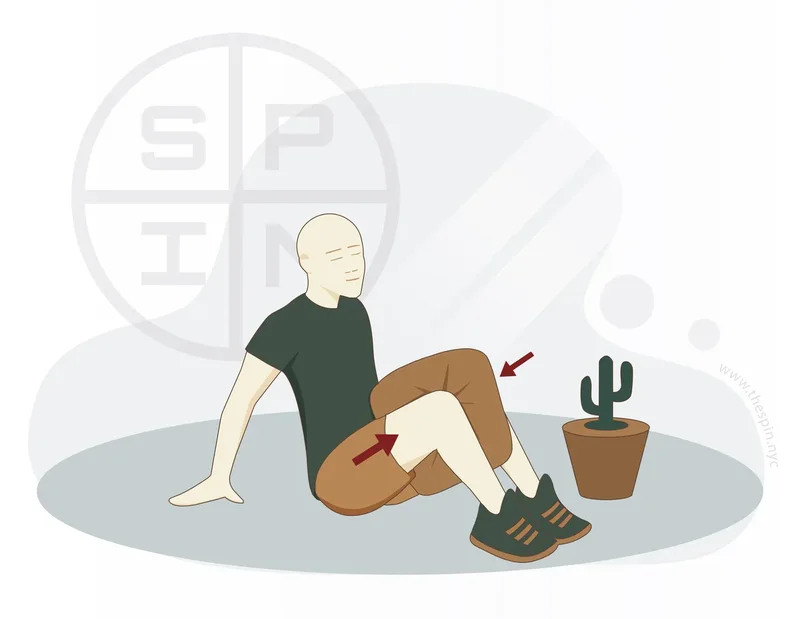
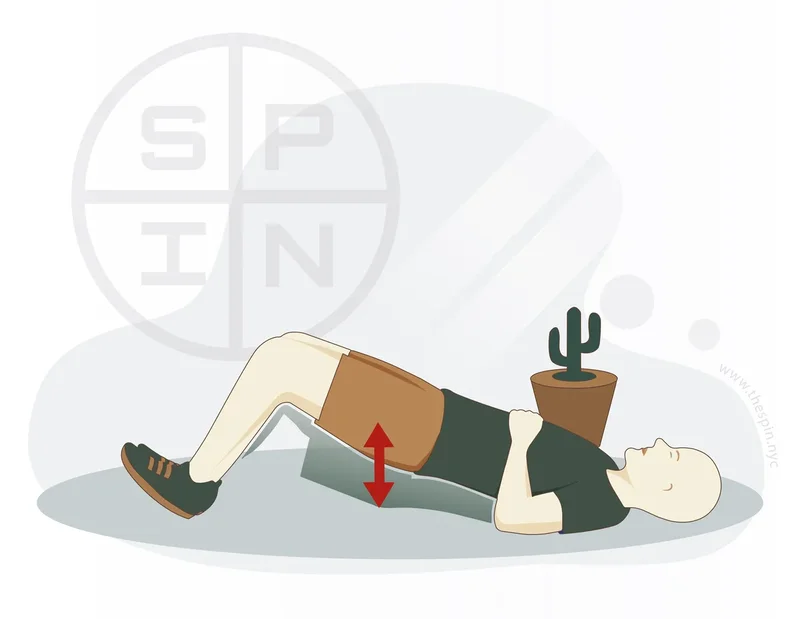
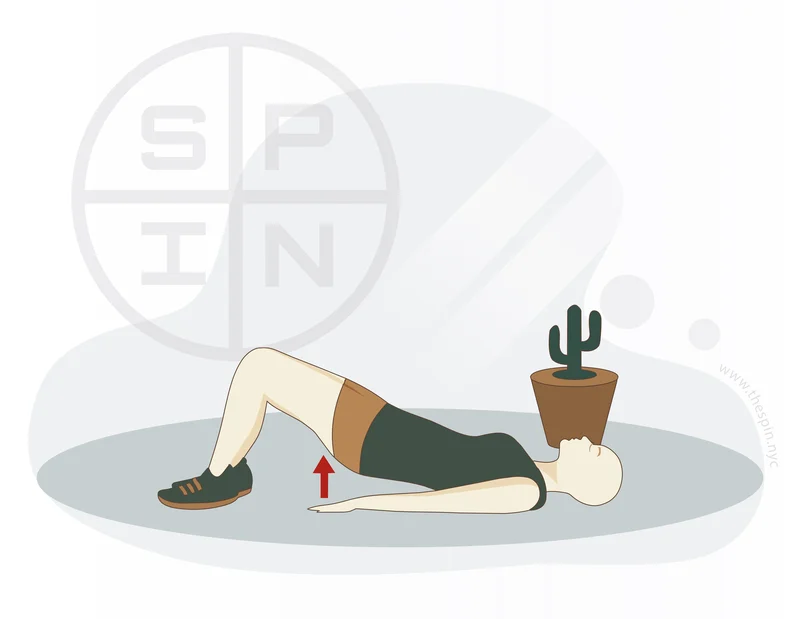
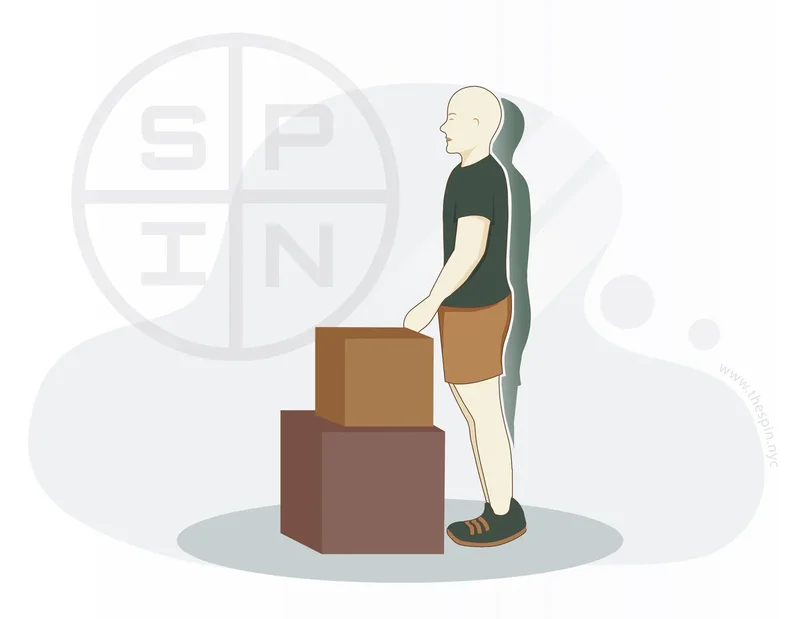
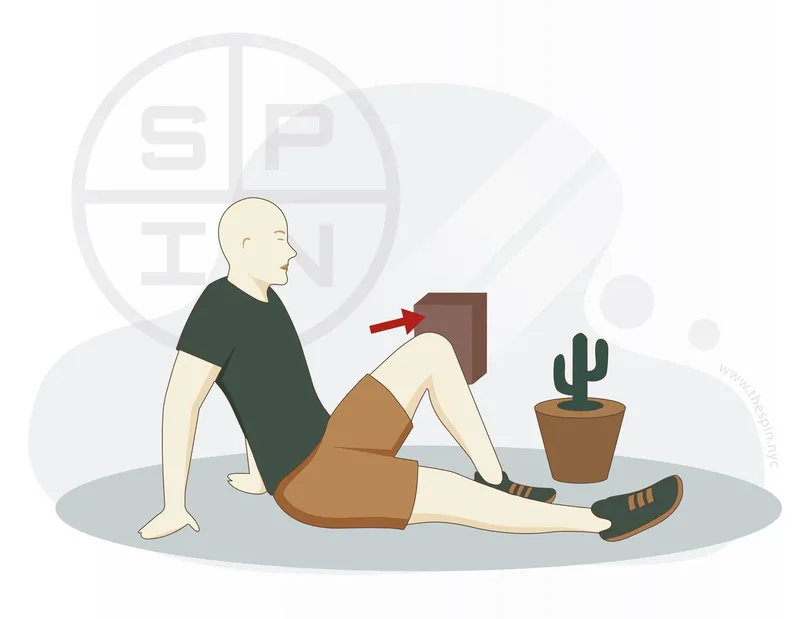
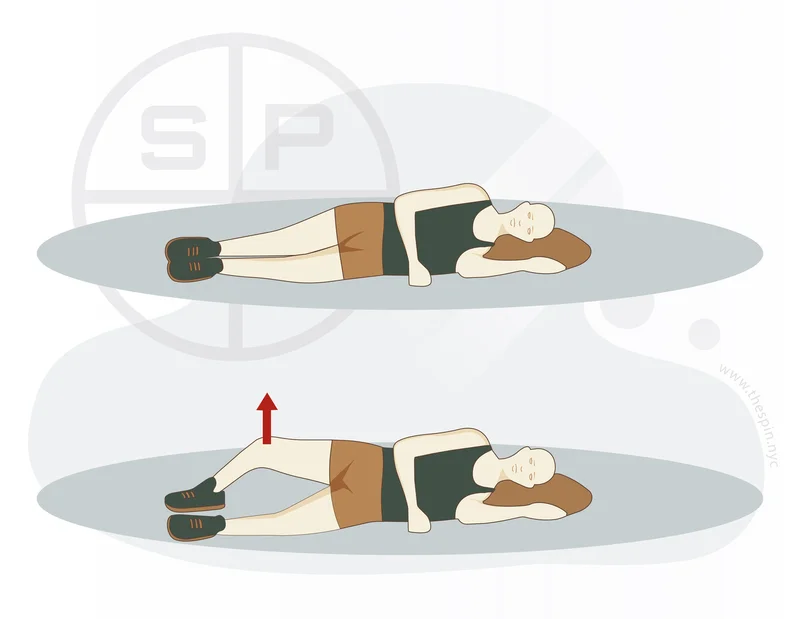
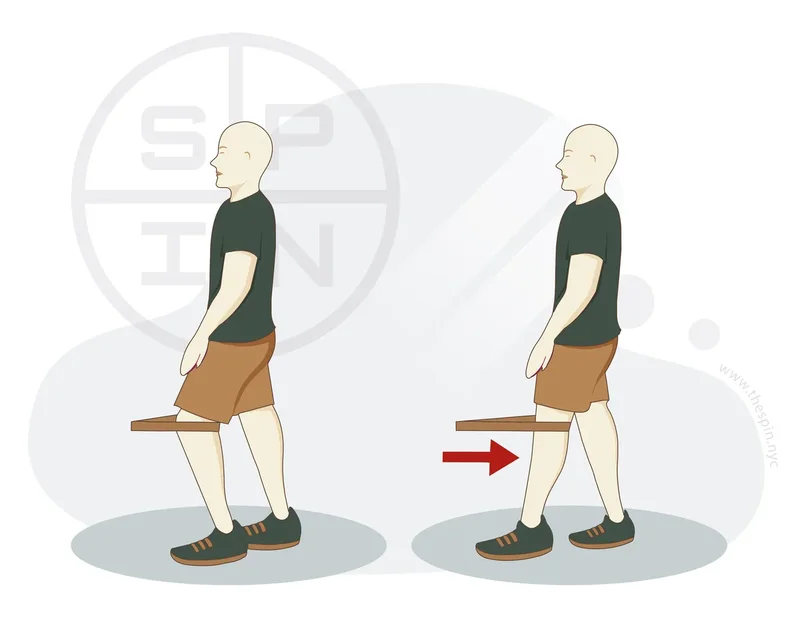
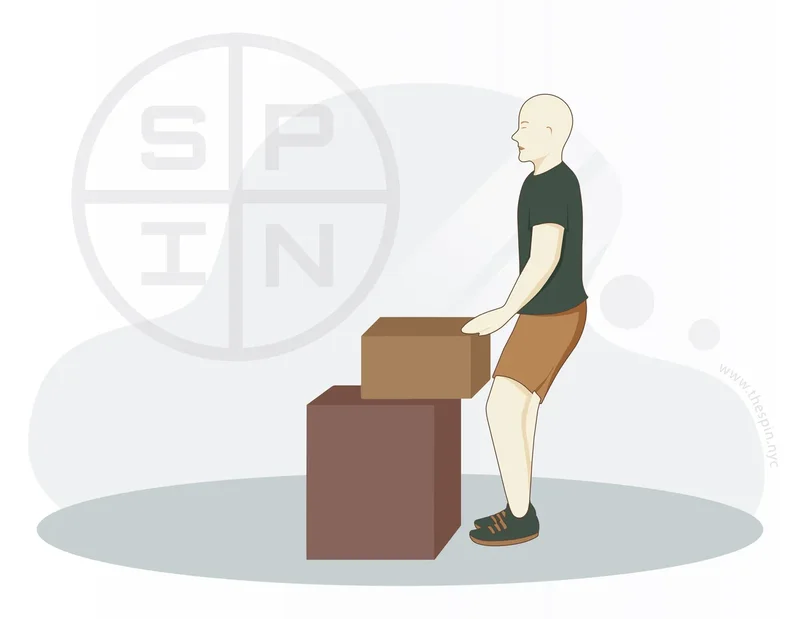
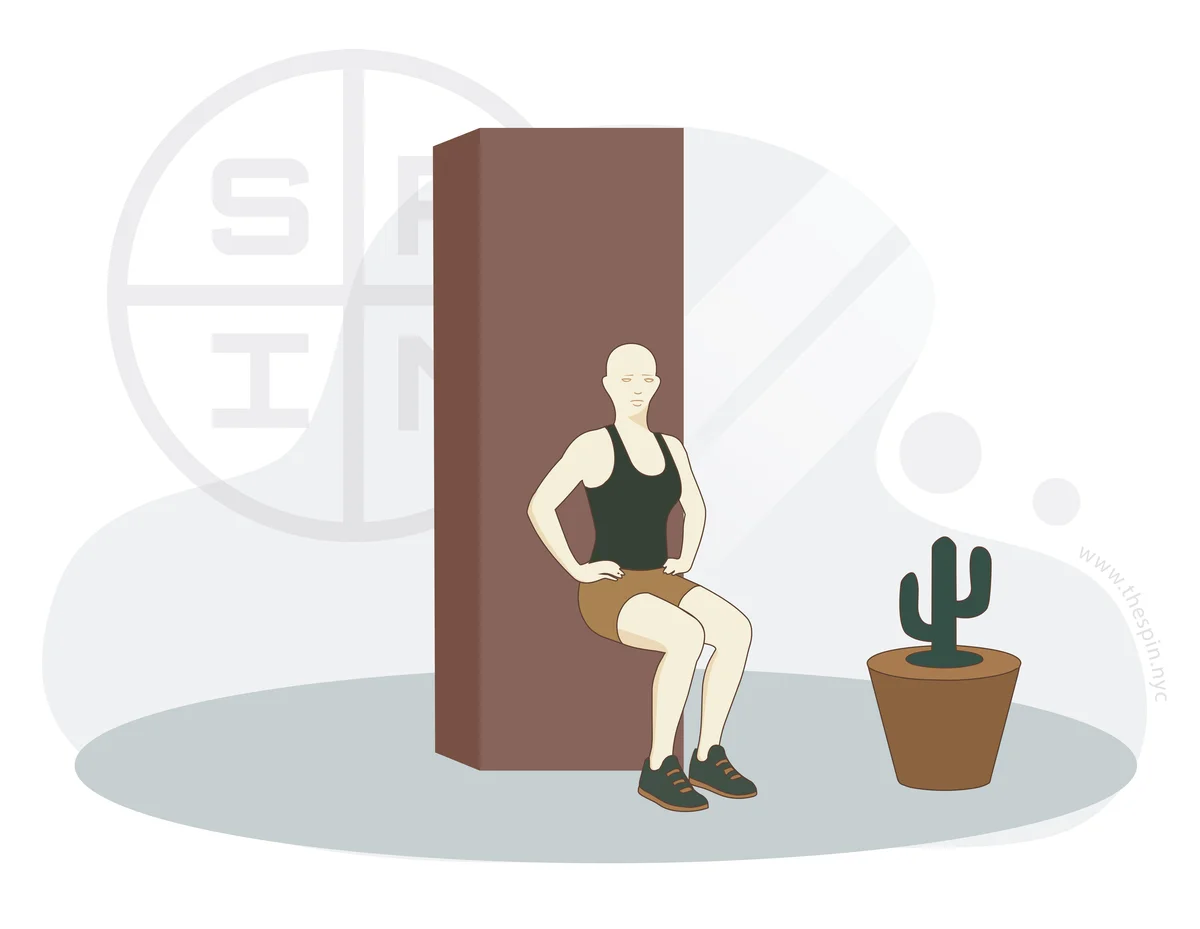
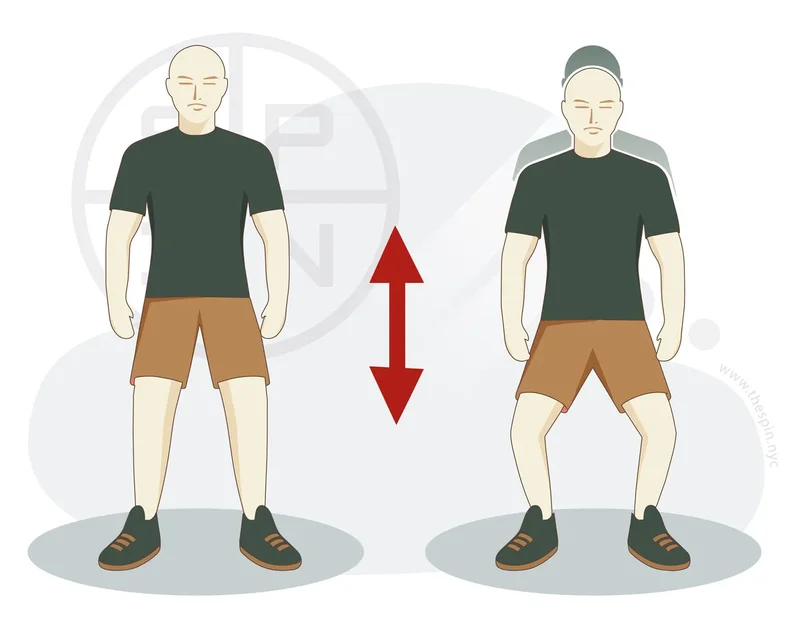
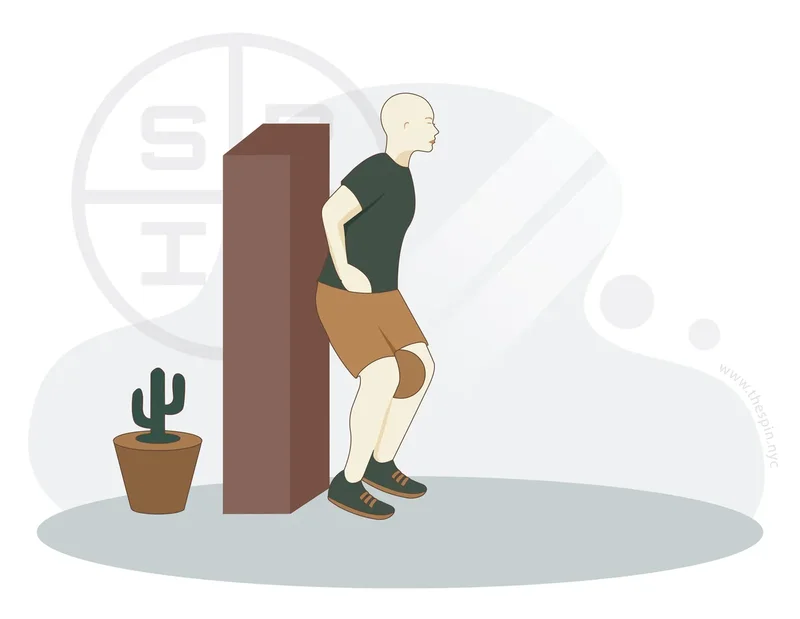
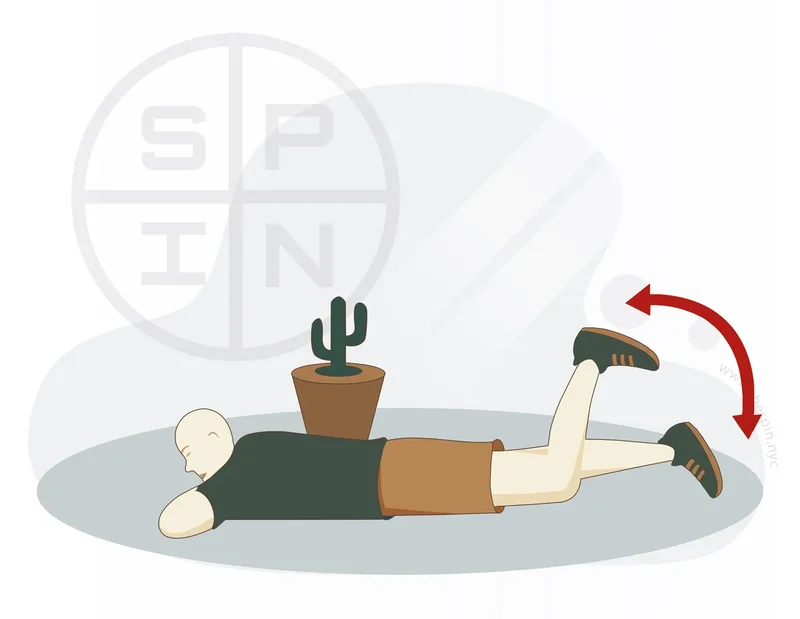
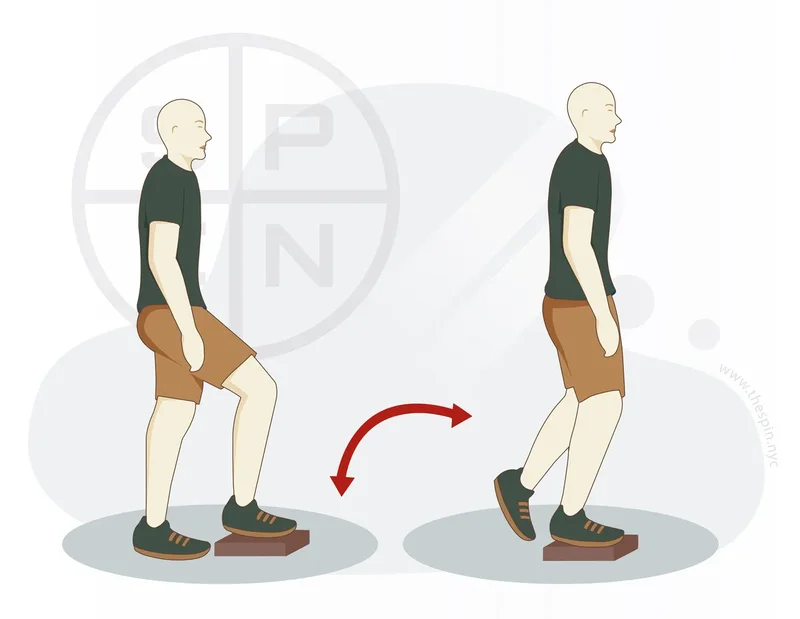
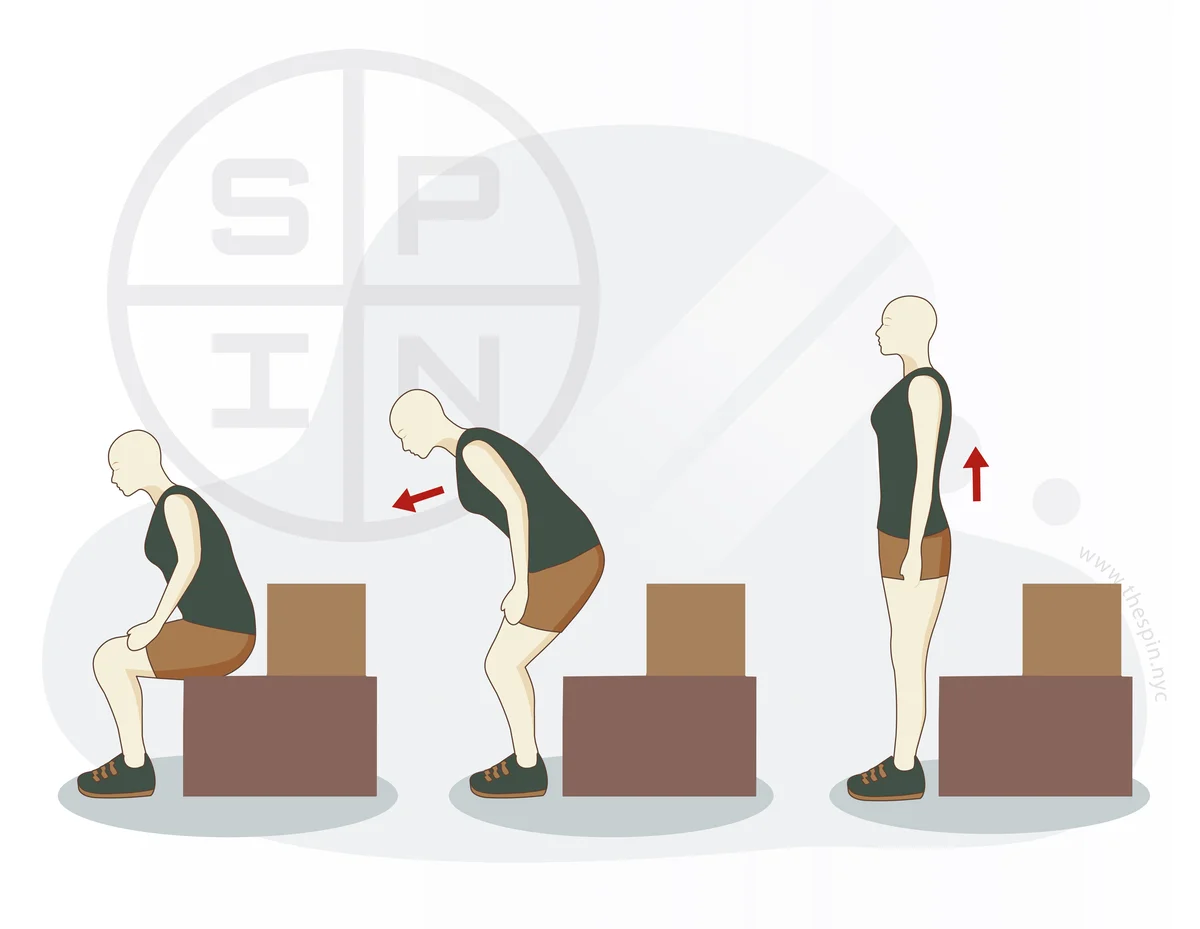
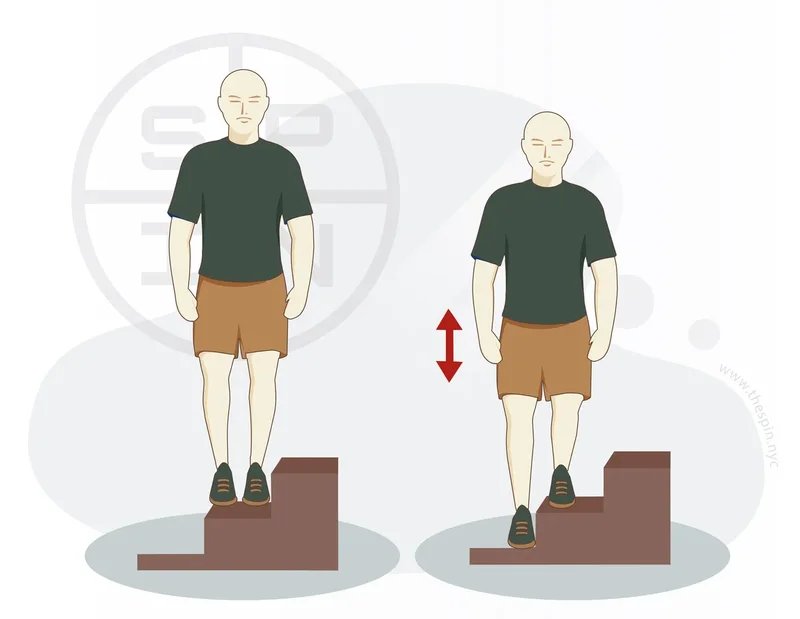
Why Exercise Is Essential for Knee Pain Recovery
The knee joint has no muscles crossing it - it relies entirely on the surrounding muscles for stability, shock absorption, and alignment. When these muscles weaken through inactivity, pain-related guarding, or ageing, joint surfaces bear more load and cartilage nutrition deteriorates. Exercise reverses this:
- Quad strengthening reduces tibio-femoral contact force by up to 40% in osteoarthritis patients
- Glute and hip strengthening corrects valgus collapse - the #1 driver of patellofemoral and IT band pain
- Sit-to-stand and step training restore the functional strength needed for independent daily living
- Low-load movement stimulates synovial fluid circulation, which nourishes cartilage that has no direct blood supply
In randomised trials, patients who exercised showed significantly greater pain reduction compared to those who rested over the same period. Rest alone does not resolve mechanical knee pain.
Knee Pain Exercises by Condition
Osteoarthritis
Focus on quad sets, straight leg raises, sit-to-stand, hip bridges, and wall sits. Daily low-load movement maintains cartilage nutrition and reduces morning stiffness. Avoid deep squats, impact, and heavy leg press.
Runner's Knee (Patellofemoral Pain Syndrome)
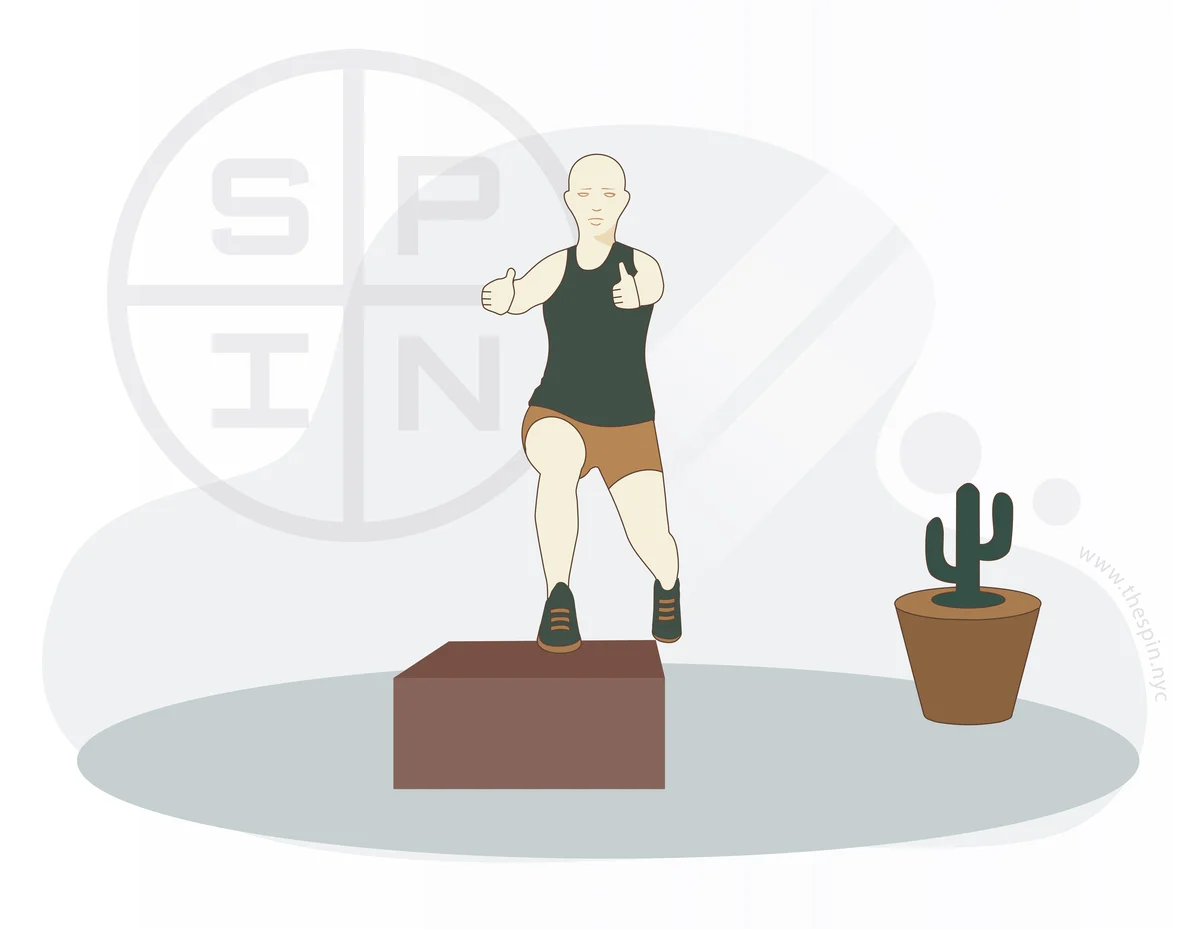
Prioritise eccentric step-downs, hip abduction, clamshells, and single-leg dips. Reduce running volume temporarily. The glute medius is usually the primary weakness to address.
IT Band Syndrome
Focus on IT band stretches, clamshells, and side-lying hip abduction. Reduce downhill running. Foam-roll the lateral quad and TFL - not the IT band itself.
Knee Bursitis
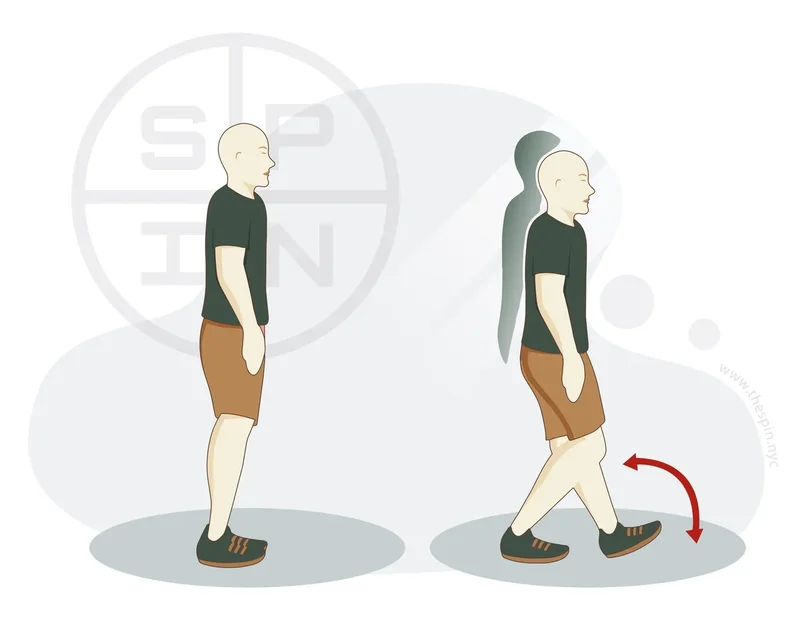
Begin with quad sets, hamstring set heel dig, and knee flexion with heel slide only. Avoid kneeling and direct knee pressure. Progress to strengthening once acute swelling and warmth settle.
Patellar Tendinitis
Start with isometric quad sets and short-arc quad. Progress to eccentric step-downs - the most evidence-based intervention for tendinopathy. Avoid leg press and deep squats until pain-free.
Post-Surgery / ACL Rehabilitation
Follow your surgeon's protocol. Standard milestones: quad sets and straight leg raises within days 1-3; partial squat and sit-to-stand by week 4; single-leg dip and lateral band work by week 8-12. Single-leg balance is the most evidence-based return-to-sport readiness test.
For condition-specific diagnosis and treatment - including injections, PRP, and radiofrequency ablation - see our Knee Pain Treatment page. Knee Pain Treatment NYC →
Book a Specialist AssessmentKnee Exercises for Desk Workers and Sedentary Adults
Prolonged sitting shortens hip flexors and deactivates glutes, placing chronic stress on the knee even without exercise. If you sit for more than 6 hours a day, add:
- Quad sets and terminal knee extensions every 30 minutes at your desk
- Quad sets during seated calls or meetings
- Calf wall stretch and heel raises every time you stand up from your chair
- Sit-to-stand practice from your desk chair 5-10 times per hour (stand without using your hands)
Knee Pain Exercises to Avoid
Stop any exercise that causes pain during the movement - not just soreness afterwards. Exercises consistently associated with worsening knee pain:
Deep squats below 90 degrees
Increases patellofemoral compressive force by up to 7x at full depth (named by all 3 leading health authorities).
Running and jumping during acute flares
Jarring impact load worsens inflammation.
Kickboxing and high-impact aerobics
Unpredictable lateral forces on an already compromised joint.
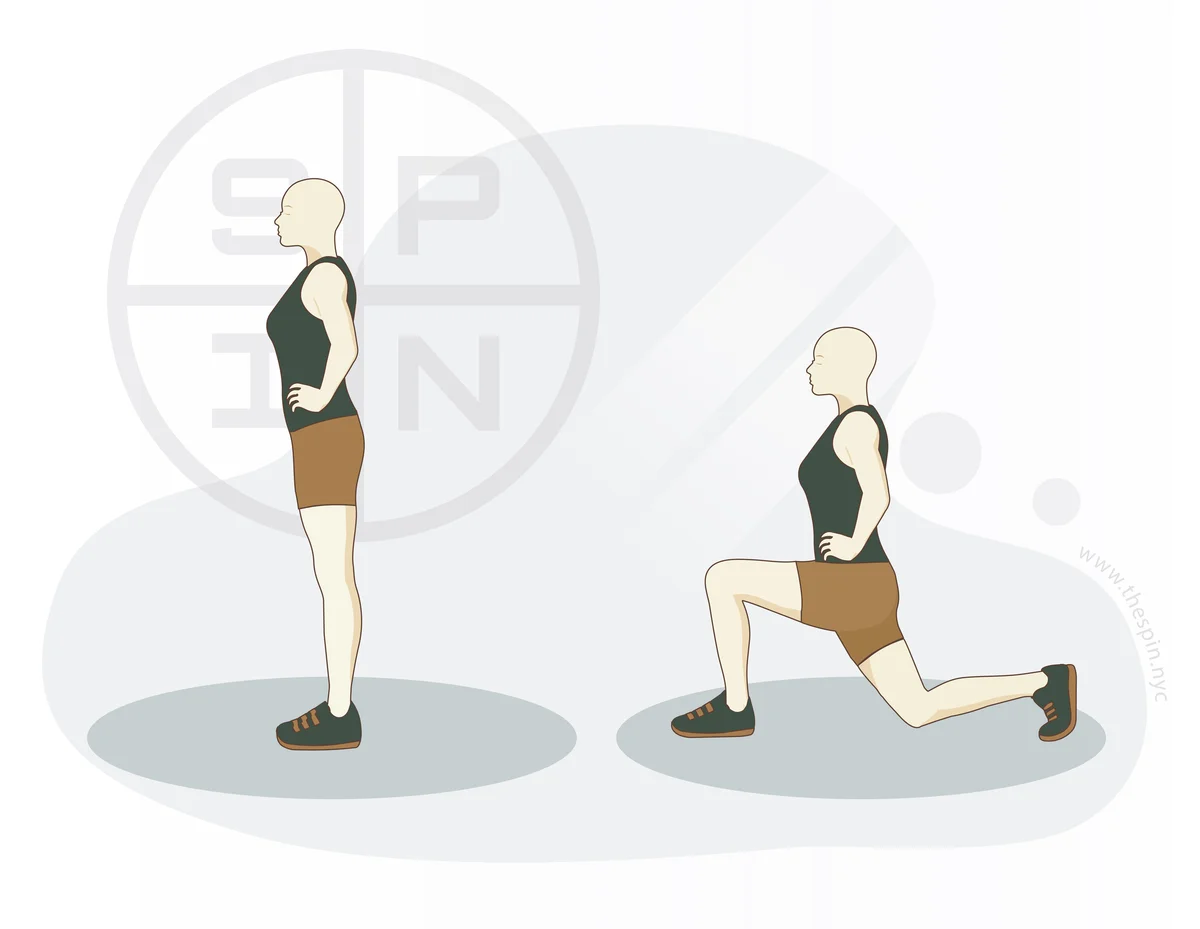
Full lunges if you have patellofemoral pain
Knee tracking over the toes increases retropatellar pressure.
Heavy leg press
Compressive load without glute engagement; harmful in OA and post-surgery.
Full leg extension machine under heavy load
Harmful for meniscus and patellofemoral conditions (light, controlled range is acceptable in early rehabilitation).
Any exercise that causes pain during the movement
Pain is a signal to stop and reduce load.
When to Exercise at Home vs When to See a Doctor
Symptom
Recommendation
Stiffness / aching after sitting
Home programme.
Mild to moderate pain during exercise
Home (reduce intensity); see doctor if no improvement in 2 weeks.
Knee swelling after activity
Reduce load; see doctor if swelling persists more than 48 hrs.
Pain going downstairs
Focus on strengthening exercises; see doctor if worsening after 4 weeks.
Osteoporosis or balance issues
Avoid leg lifts and step exercises; consult a specialist first.
Locking or giving way
See a doctor immediately.
Severe pain or sudden injury
See a doctor immediately.
Post-surgery rehabilitation
Specialist guidance only.
Our Knee Pain Exercise Programmes
Each programme below was designed by our sports medicine physicians and pain management specialists.

Knee Pain Exercises (full library)
All 23 exercises from our /self-care/knee library, with GIFs, video demonstrations, and guided instructions.

Yoga for Knee Pain
Chair Pose, Bridge Pose, Warrior I, and Low Lunge - safe yoga movements that improve knee flexibility and build quad and glute strength without impact.

Posture & Sitting Exercises
For desk workers and sedentary adults - counteract the quad inhibition and hip flexor tightness caused by prolonged sitting.
Conclusion
Most knee pain - from osteoarthritis to runner's knee to IT band syndrome - responds well to targeted exercise. The four-step programme in this guide builds from gentle pain-relief work to full functional loading, giving the quad, glute, hamstring, and hip muscles the strength needed to protect the joint long-term. If you don't see improvement within 4 weeks, or if you experience locking, giving way, or severe swelling, book an assessment with our team in NYC.
Frequently Asked Questions
Straight leg raises, quad sets, hip bridges, sit-to-stand, clamshells, and wall sits are the most evidence-based starting points - targeting the quads, glutes, and hamstrings that directly offload the knee joint.
Yes - for most mechanical knee pain, controlled exercise is more effective than rest. Stop if an exercise causes pain during the movement, not just mild soreness afterwards.
Gentle isometric and mobility exercises daily; strengthening exercises every other day to allow adequate muscle recovery.
Avoid deep squats, high-impact activities during acute flares, heavy leg press, and any movement that reproduces pain during the exercise.
Most people notice reduced stiffness within 1-2 weeks. Significant pain reduction typically occurs by week 4-6 with consistent exercise.
Mild to moderate mechanical knee pain can be managed at home with this programme. Structural symptoms - locking, giving way, or post-surgery - require specialist supervision.